The Symphony of Senses: Crafting Culinary Mastery Through Immersive Education and Intuitive Techniques
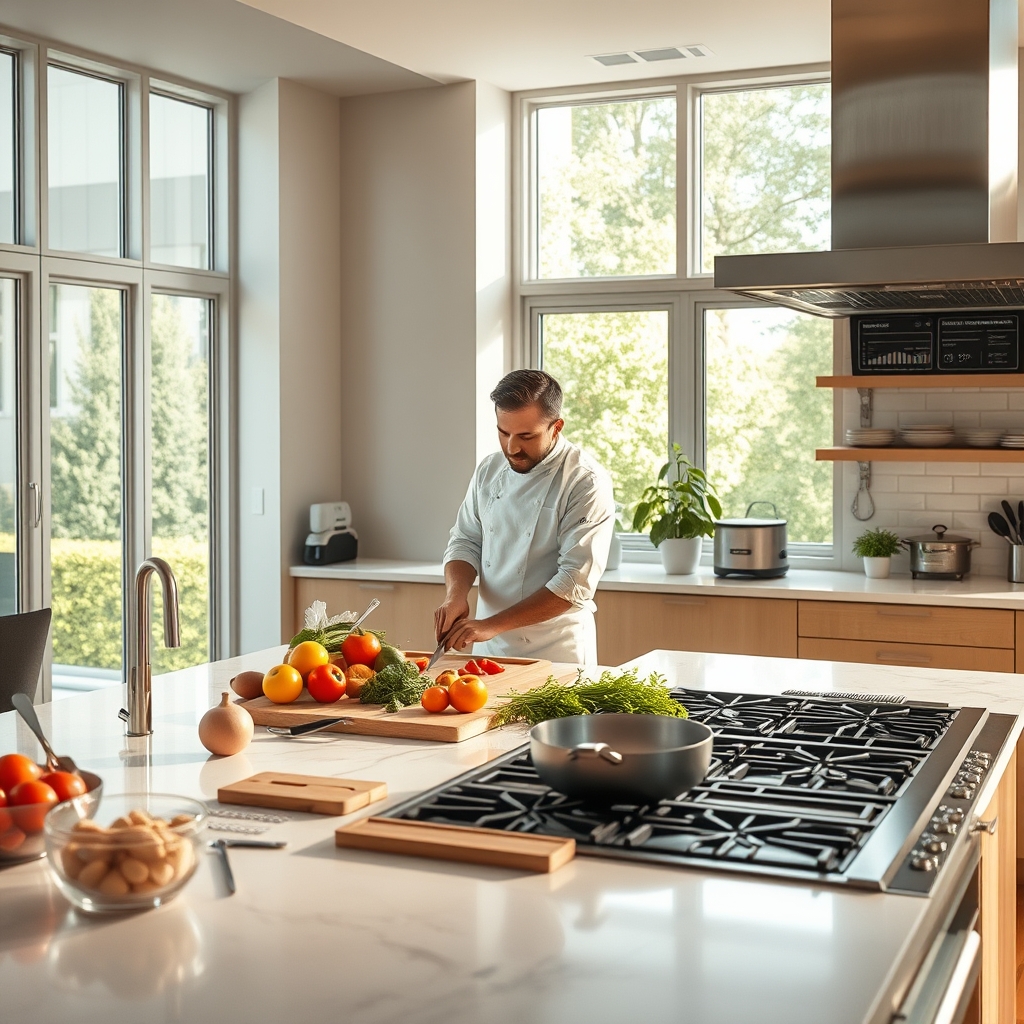
In the quiet hum of a kitchen, where the air is thick with the scent of simmering spices and the gentle hiss of a sauté pan, there exists a world of sensory exploration. This is the realm of immersive culinary education, a place where the boundaries between learning and experiencing blur into a seamless tapestry of taste, touch, sight, sound, and smell.
Sensory Cooking Techniques
Sensory cooking techniques invite us to engage with our food on a deeper level. It’s not just about following a recipe; it’s about understanding the alchemy of flavors, the texture of ingredients, and the symphony of aromas that dance in the air. By honing our senses, we become more attuned to the nuances of each dish, transforming the act of cooking into a mindful, meditative practice.
Personalized Flavor Profiling
At the heart of this sensory journey lies personalized flavor profiling. Each of us has a unique palate, shaped by our experiences, memories, and cultural backgrounds. By identifying our individual flavor preferences, we can tailor our culinary adventures to suit our tastes, creating dishes that resonate on a deeply personal level.
Interactive Kitchen Workshops
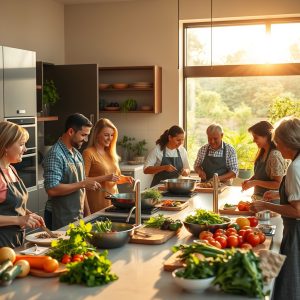
Interactive kitchen workshops provide the perfect setting for this exploration. Here, we can experiment with new ingredients, techniques, and flavor combinations, guided by expert chefs who understand the art of sensory cooking. These workshops are not just about learning to cook; they are about discovering the joy of creating something truly unique and meaningful.
Sustainable Ingredient Sourcing
But immersive culinary education is not just about the senses; it’s also about sustainability. As we delve deeper into the world of food, we become more aware of the impact our choices have on the environment. Sustainable ingredient sourcing ensures that our culinary creations are not only delicious but also ethical and eco-friendly.
Tech Assisted Precision Cooking
In this modern age, technology plays a crucial role in our culinary endeavors. Tech-assisted precision cooking allows us to achieve perfect results every time, whether we’re sous-viding a steak or baking a soufflé. By combining traditional techniques with cutting-edge technology, we can elevate our cooking to new heights, creating dishes that are both innovative and timeless.
Collaborative Recipe Development
Collaborative recipe development is another key aspect of immersive culinary education. By working together, we can share ideas, learn from one another, and create something truly extraordinary. This collaborative spirit fosters a sense of community, where each person brings their unique perspective to the table, enriching the culinary experience for everyone involved.
Mindful Food Preparation
Mindful food preparation is the cornerstone of this immersive approach. By being present in the moment, we can fully engage with our ingredients, appreciating their textures, flavors, and aromas. This mindfulness extends to every aspect of the cooking process, from chopping vegetables to plating the final dish. It’s a practice that not only enhances our culinary skills but also nourishes our souls.
Adaptive Cooking Workflows
Adaptive cooking workflows allow us to tailor our culinary experiences to our individual needs and preferences. Whether we’re short on time, looking for a specific flavor profile, or seeking a healthier option, adaptive workflows ensure that we can always create a dish that suits our tastes and lifestyle. This flexibility is key to making cooking a sustainable and enjoyable part of our daily lives.
Data Driven Nutrition Tracking
Data-driven nutrition tracking provides valuable insights into our culinary habits, helping us make informed decisions about our diet. By understanding the nutritional content of our meals, we can ensure that we’re not only enjoying our food but also nourishing our bodies. This data-driven approach complements our sensory exploration, creating a holistic culinary experience that is both satisfying and health-conscious.
Experiential Gastronomy Methods
Experiential gastronomy methods take our culinary journey to the next level. By immersing ourselves in the world of food, we can explore new cultures, traditions, and techniques. This experiential approach broadens our horizons, enriching our lives and deepening our appreciation for the art of cooking.
Home Kitchen Optimization
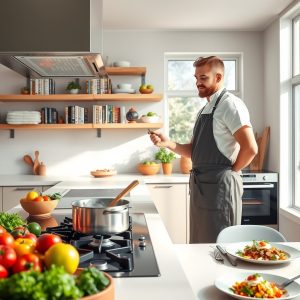
Home kitchen optimization is essential for creating a space that supports our culinary adventures. By designing our kitchens to be efficient, functional, and inspiring, we can enhance our cooking experience and make the most of our time in the kitchen. This optimization extends to every aspect of our culinary space, from the layout of our counters to the organization of our pantry.
Cultural Culinary Preservation
Cultural culinary preservation ensures that our culinary heritage is passed down to future generations. By honoring the traditions and techniques of our ancestors, we can keep their stories alive and continue to celebrate the rich tapestry of our cultural identities. This preservation is not just about food; it’s about preserving our history, our values, and our sense of belonging.
Creative Ingredient Pairing
Creative ingredient pairing is the art of combining flavors in unexpected ways. By experimenting with different ingredients, we can discover new taste sensations and create dishes that are truly unique. This creativity is at the heart of immersive culinary education, inspiring us to push the boundaries of traditional cooking and explore new culinary frontiers.
Bespoke Meal Planning
Bespoke meal planning allows us to tailor our culinary experiences to our individual needs and preferences. Whether we’re planning a special occasion, catering to dietary restrictions, or simply looking for inspiration, bespoke meal planning ensures that our meals are always delicious, nutritious, and perfectly suited to our tastes.
Professional Culinary Skill Building
Professional culinary skill building is the foundation of our culinary journey. By mastering the techniques and principles of cooking, we can create dishes that are not only delicious but also visually stunning and technically impressive. This skill building is a lifelong pursuit, as there is always more to learn and discover in the world of food.
Conscious Cooking Habits
Conscious cooking habits ensure that our culinary practices are sustainable, ethical, and mindful. By being aware of the impact our choices have on the environment, our health, and our communities, we can create a more conscious and compassionate approach to cooking. This consciousness extends to every aspect of our culinary journey, from the ingredients we choose to the way we prepare and enjoy our meals.
Real Time Cooking Analytics
Real-time cooking analytics provide valuable insights into our culinary practices, helping us make informed decisions about our cooking. By tracking our progress, we can identify areas for improvement, experiment with new techniques, and refine our skills. This data-driven approach complements our sensory exploration, creating a holistic culinary experience that is both satisfying and informative.
Efficient Kitchen Design
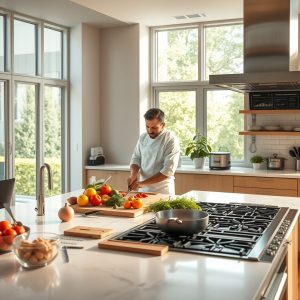
Efficient kitchen design is essential for creating a space that supports our culinary adventures. By optimizing our kitchen layout, we can enhance our cooking experience and make the most of our time in the kitchen. This efficiency extends to every aspect of our culinary space, from the organization of our tools and ingredients to the flow of our cooking process.
Intuitive Culinary Experiences
Intuitive culinary experiences allow us to connect with our food on a deeper level. By trusting our instincts and honing our senses, we can create dishes that are not only delicious but also meaningful and personal. This intuition is the essence of immersive culinary education, guiding us on a journey of discovery, creativity, and self-expression.
As we stand in our kitchens, surrounded by the sights, sounds, and aromas of our culinary creations, we are reminded of the profound connection between food and life. Each dish we prepare is a testament to our journey, a reflection of our experiences, and a celebration of our senses. In this symphony of flavors, we find not just nourishment for our bodies, but also sustenance for our souls.