
Unlocking the Secrets of the Okinawa Diet: A Japanese Blueprint for Longevity and Health
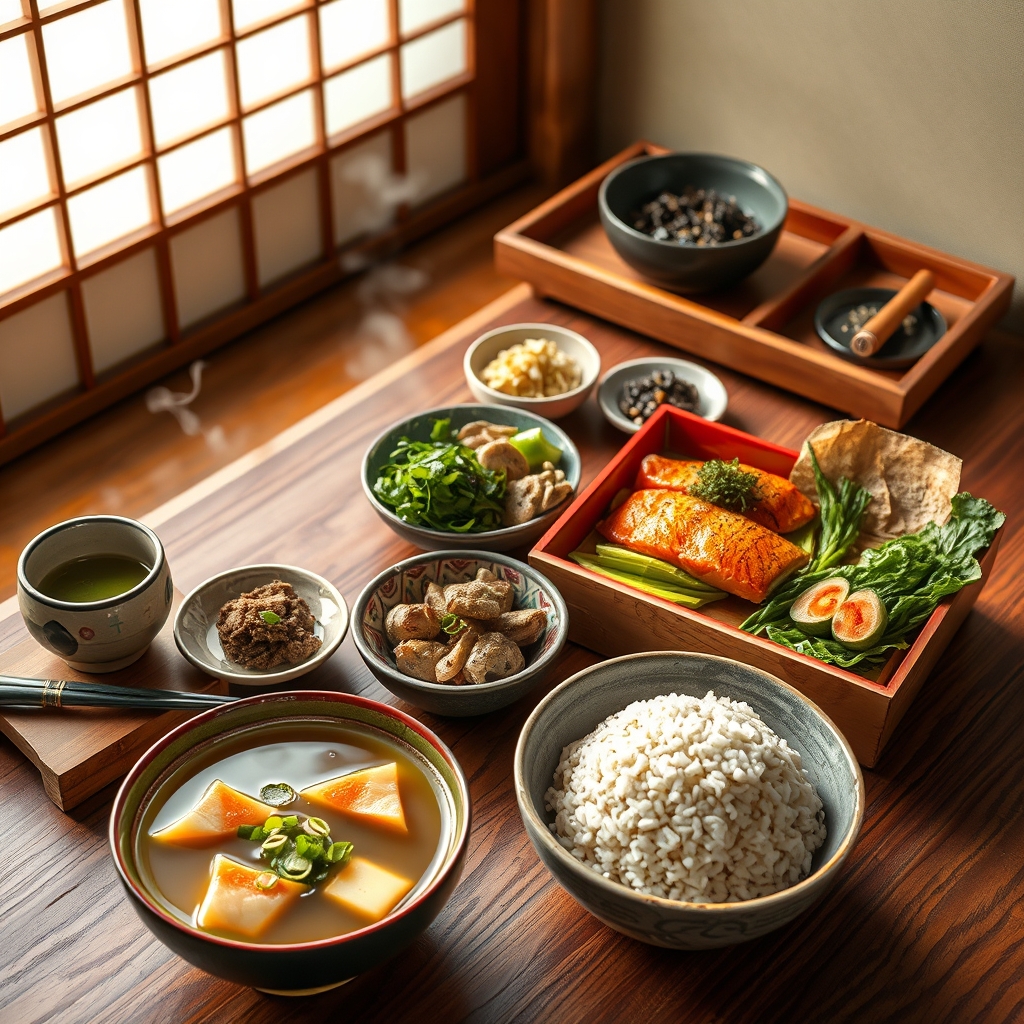
The islands of Okinawa, Japan, are renowned not just for their breathtaking landscapes but also for being home to some of the world’s longest-living people. The traditional Diet Tradisional Okinawa is often credited as a key factor behind this remarkable longevity. Unlike many modern diets that focus on restriction, the Okinawa diet is a celebration of nutrient-dense, flavorful foods that nourish the body and soul. At its core, this way of eating emphasizes balance, mindfulness, and a deep connection to nature—principles that are as relevant today as they were centuries ago.
The Philosophy Behind the Okinawa Diet
The Okinawa diet is rooted in the concept of Hara Hachi Bu, an ancient Confucian teaching that encourages eating until you are only 80% full. This practice isn’t just about portion control; it’s a mindful approach to eating that fosters gratitude and awareness. By stopping before reaching fullness, the body is given time to register satiety, reducing the risk of overeating and promoting better digestion. This philosophy aligns perfectly with the Japanese cultural emphasis on harmony and moderation, making it a sustainable and enjoyable way to eat.
Another cornerstone of the Okinawa diet is its focus on low-calorie, high-nutrient foods. Staples like Beras Merah Jepang (Japanese brown rice), Mi Shirataki Diet (shirataki noodles), and Konjac (a low-calorie, high-fiber root) form the foundation of many meals. These ingredients are not only filling but also packed with essential vitamins, minerals, and antioxidants that support overall health. The diet also prioritizes plant-based foods, with vegetables, legumes, and seaweed taking center stage in most dishes.
Superfoods of the Okinawa Diet
The Okinawa diet is rich in superfoods that are as delicious as they are nutritious. One of the most iconic is Teh Hijau Matcha, a vibrant green tea powder that is celebrated for its high concentration of antioxidants, particularly catechins. Matcha is not only a staple in Japanese tea ceremonies but also a popular ingredient in modern recipes, from lattes to desserts. Its earthy flavor and energizing properties make it a perfect addition to a health-conscious lifestyle.
Another powerhouse ingredient is Natto Tinggi Protein, a fermented soybean dish that is a breakfast staple in Japan. Natto is rich in probiotics, vitamin K2, and protein, making it a superfood for gut health and bone strength. While its strong aroma and sticky texture might take some getting used to, natto’s unique flavor and health benefits are well worth the effort. For those looking for a milder introduction to fermented foods, Cuka Beras Alami (natural rice vinegar) is a versatile ingredient that adds a tangy kick to dressings, marinades, and pickles.
The Role of Seafood and Plant-Based Proteins
Seafood plays a significant role in the Okinawa diet, with dishes like Sashimi Ikan Segar (fresh fish sashimi) and Salmon Panggang Teriyaki (grilled teriyaki salmon) providing lean, high-quality protein. These dishes are often paired with Salad Rumput Laut (seaweed salad) or Sayur Tumis Tatsoi (stir-fried tatsoi greens), creating a balanced meal that is rich in omega-3 fatty acids, vitamins, and minerals. The diet’s emphasis on seafood is complemented by plant-based proteins like Tahu Sutra (silken tofu) and Kacang Edamame (edamame beans), which are versatile, affordable, and packed with nutrients.
Comforting and Nourishing Soups
No discussion of the Okinawa diet would be complete without mentioning its comforting soups. Resep Sup Miso is a classic Japanese soup made from fermented soybean paste, dashi stock, and an array of vegetables like tofu, seaweed, and scallions. Miso soup is not only delicious but also incredibly nourishing, thanks to its probiotic content and umami-rich flavor. Another popular option is Sup Konjac Rendah Kalori, a light and refreshing soup made with konjac noodles, vegetables, and a savory broth. These soups are perfect for warming the body and soul, especially during the colder months.
Creating a Healthy Japanese-Inspired Menu
Adopting the principles of the Okinawa diet doesn’t mean you have to overhaul your entire way of eating. Instead, it’s about making small, sustainable changes that add up over time. Start by incorporating more plant-based meals into your diet, such as a Menu Bento Sehat (healthy bento box) filled with brown rice, grilled fish, steamed vegetables, and a side of pickled ginger. Bento boxes are not only visually appealing but also a great way to ensure a balanced meal with a variety of flavors and textures.
For those with a sweet tooth, consider swapping out sugary snacks for healthier alternatives like Jamur Shiitake Kering (dried shiitake mushrooms) or edamame. These snacks are not only low in calories but also rich in fiber and protein, making them a satisfying choice for curbing cravings. Another simple swap is replacing refined grains with Beras Merah Jepang, which is higher in fiber and nutrients. Over time, these small changes can lead to significant improvements in health and well-being.
One of the most beautiful aspects of the Okinawa diet is its emphasis on enjoyment and mindfulness. Meals are meant to be savored, not rushed, and every bite is an opportunity to nourish the body and connect with the present moment. Whether you’re sipping on a cup of matcha tea, enjoying a bowl of miso soup, or preparing a bento box for lunch, the Okinawa diet invites you to slow down and appreciate the simple pleasures of life. By embracing this way of eating, you’re not just feeding your body—you’re nurturing your soul and paving the way for a longer, healthier, and more fulfilling life.