The Rise of Fusion Food: How Global Flavors Are Redefining Home Cooking
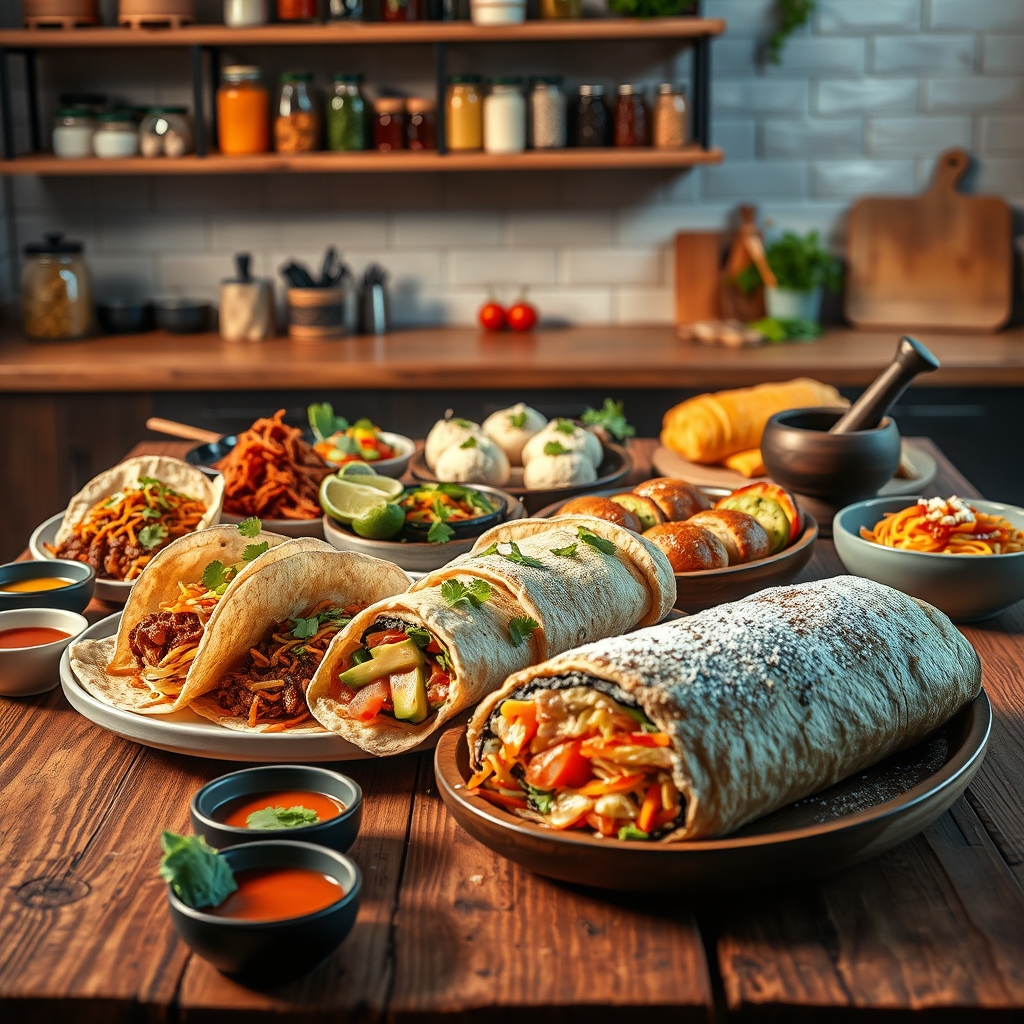
In today’s fast-paced world, the way we approach food has evolved dramatically. No longer confined to traditional recipes passed down through generations, home cooks and food enthusiasts are embracing a bold new trend: fusion food. This culinary movement blends ingredients, techniques, and flavors from different cultures, creating dishes that are as innovative as they are delicious. From spicy Korean tacos to sushi burritos, fusion food is not just a trend—it’s a celebration of global connectivity and creativity in the kitchen.
The Origins of Fusion Food
Fusion food isn’t entirely new. Historically, culinary traditions have always influenced one another through trade, migration, and cultural exchange. For example, the introduction of tomatoes to Italy from the Americas revolutionized Italian cuisine, while Indian spices found their way into British dishes during the colonial era. However, the modern fusion food movement gained momentum in the late 20th century, as chefs began intentionally combining elements from disparate cuisines to craft something entirely unique.
Today, fusion food is more accessible than ever, thanks to the internet and the rise of food vloggers. Platforms like YouTube and TikTok have democratized culinary experimentation, allowing home cooks to share their creative concoctions with a global audience. Whether it’s a viral recipe for matcha-infused croissants or a street food mashup of Thai and Mexican flavors, fusion food has become a staple of contemporary dining.
Why Fusion Food Resonates with Modern Diners
One of the biggest reasons fusion food has captured the imagination of so many is its ability to cater to diverse palates. In an era where dietary preferences are as varied as the people who hold them—from plant-based diets to seafood mukbangs—fusion food offers something for everyone. It allows for endless customization, making it ideal for those who love to experiment or have specific dietary needs.
Moreover, fusion food reflects the multicultural societies we live in. As people move across borders, they bring their culinary traditions with them, leading to natural cross-pollination of flavors. For instance, a Japanese chef in Los Angeles might create a ramen burger, while a Mexican chef in Tokyo could whip up a sushi roll filled with spicy chorizo. These dishes don’t just taste good—they tell a story of cultural exchange and adaptation.
The Role of Social Media in Popularizing Fusion Food
Social media has played a pivotal role in the rise of fusion food. Food vloggers and influencers often showcase their latest creations, turning dishes like kimchi quesadillas or mango sticky rice into overnight sensations. The visual appeal of these dishes—often presented in vibrant, aesthetically pleasing ways—makes them highly shareable, further fueling their popularity.
Platforms like Instagram and Pinterest have also made it easier for home cooks to discover and replicate fusion recipes. A quick search for “fusion food ideas” yields thousands of results, from quick snack platters to elaborate meal prep dishes. This accessibility has empowered people to try their hand at fusion cooking, even if they’re not professional chefs.
Challenges and Criticisms of Fusion Food
Despite its popularity, fusion food is not without its critics. Some purists argue that blending cuisines can dilute the authenticity of traditional dishes, leading to a loss of cultural significance. Others worry that fusion food can sometimes feel gimmicky, prioritizing novelty over flavor or technique.
However, proponents of fusion food counter that culinary traditions are not static—they evolve over time, and fusion is simply the latest chapter in that evolution. When done thoughtfully, fusion food can honor the roots of the cuisines it draws from while creating something entirely new. The key is to approach fusion cooking with respect for the ingredients and techniques being combined, rather than treating it as a mere trend.
How to Experiment with Fusion Food at Home
If you’re eager to try your hand at fusion cooking, start small. Begin by identifying two cuisines you love and think about how their flavors might complement each other. For example, if you enjoy the heat of Thai cuisine and the comfort of Italian pasta, consider making a spicy peanut pesto. Or, if you’re a fan of Japanese and Mexican flavors, try your hand at a sushi burrito filled with avocado, spicy tuna, and pickled vegetables.
Another approach is to take a classic dish and give it a fusion twist. Swap out traditional ingredients for ones from another cuisine—like using miso paste in a French onion soup or adding gochujang to a classic barbecue sauce. The possibilities are endless, and the best part is that there are no rules. Fusion food is all about creativity and personal expression.
Don’t be afraid to draw inspiration from street food vendors or viral food trends. Many of the most popular fusion dishes today started as humble street food creations. For instance, the now-famous cronut—a croissant-donut hybrid—began as an experiment in a New York bakery before taking the world by storm. Similarly, the Korean corn dog, which combines American fair food with Korean flavors, has become a global sensation.
The Future of Fusion Food
As the world becomes more interconnected, the boundaries between cuisines will continue to blur. Fusion food is not just a passing trend; it’s a reflection of how we live today—global, diverse, and constantly evolving. Whether you’re a home cook looking to spice up your meal prep or a food vlogger searching for your next viral recipe, fusion food offers a world of possibilities.
The beauty of fusion food lies in its ability to surprise and delight. It challenges us to think beyond the confines of traditional culinary categories and embrace the endless combinations of flavors, textures, and techniques. So the next time you’re in the kitchen, why not take a risk? Mix, match, and experiment—you might just create the next big thing in fusion cuisine. After all, the best dishes are often born from a willingness to break the rules and explore the unknown.