The Symphony of Senses: How World-Class Chefs Craft an Unforgettable Gourmet Dining Experience
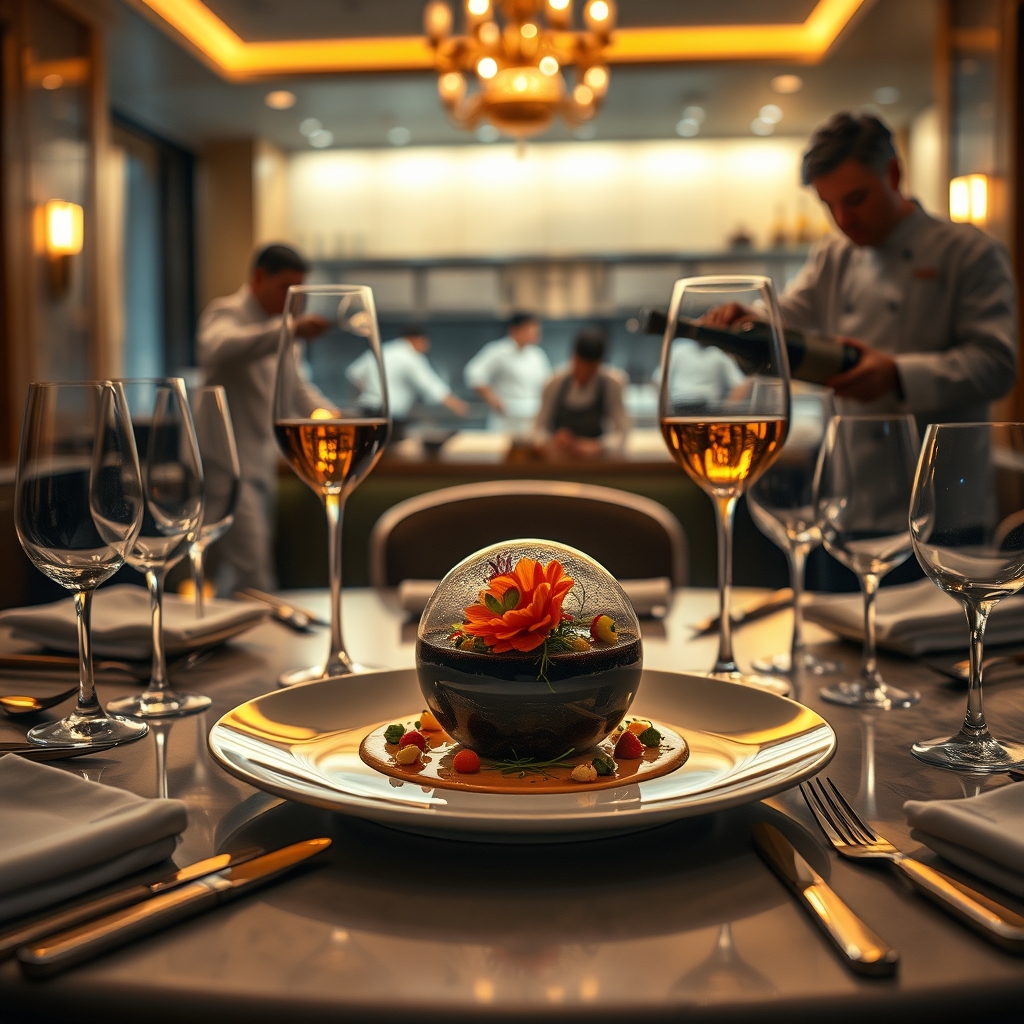
The world of fine dining is not merely about sustenance; it is an immersive journey where every detail is meticulously orchestrated to elevate the act of eating into an art form. At the heart of this experience lies the vision of a world-class chef, whose mastery transforms simple ingredients into a symphony of flavors, textures, and emotions. This is the realm where luxury dining transcends the ordinary, inviting guests to savor not just a meal, but a moment of pure, unadulterated bliss.
The Philosophy Behind Gourmet Cuisine
Gourmet cuisine is rooted in a deep reverence for ingredients, technique, and creativity. It is a celebration of authenticity, where the finest seasonal produce, artisanal cheeses, and rare delicacies like Wagyu beef and caviar are treated with the utmost respect. Chefs who helm Michelin-starred kitchens approach their craft with a philosopher’s mind, blending tradition with innovation to create dishes that tell a story. Whether it’s the delicate balance of a farm-to-table dish or the bold experimentation of molecular gastronomy, each plate is a testament to the chef’s dedication to pushing the boundaries of culinary arts.
This philosophy extends beyond the kitchen. In upscale restaurants, every element—from the ambiance to the service—is designed to harmonize with the food. The clink of fine crystal, the soft glow of candlelight, and the attentive yet unobtrusive presence of the staff all contribute to an atmosphere where guests feel not just welcomed, but truly cherished. It is this holistic approach that defines the essence of luxury dining.
The Magic of a Chef Tasting Menu
A chef tasting menu is the pinnacle of the gourmet dining experience, offering a curated journey through the chef’s most inspired creations. Unlike à la carte dining, where guests select individual dishes, a tasting menu is a narrative, unfolding course by course like chapters in a book. Each dish is a revelation, designed to surprise and delight the senses, often incorporating unexpected techniques or ingredients. For instance, a seemingly simple amuse-bouche might conceal a burst of liquid gold—saffron-infused consommé—encased in a delicate sphere that dissolves on the tongue, releasing a cascade of flavor.
The beauty of a tasting menu lies in its ability to evoke emotion. A world-class chef doesn’t just aim to feed; they aim to transport. A dish might pay homage to a childhood memory, a distant travel experience, or the changing seasons, inviting diners to connect with the food on a deeper level. The progression of flavors—from light and refreshing to rich and decadent—ensures that each course builds upon the last, creating a crescendo of sensory pleasure that lingers long after the final bite.
The Role of Wine Pairing in Elevating the Experience
No gourmet dining experience is complete without the perfect wine pairing. A sommelier’s expertise can transform a meal from exceptional to extraordinary, as each sip is carefully selected to complement and enhance the flavors on the plate. The right wine can cut through the richness of Wagyu beef, accentuate the brininess of caviar, or bring out the subtle sweetness of a seasonal vegetable. It’s a dance of harmony, where the acidity, tannins, and body of the wine interact with the dish to create a symphony of taste.
In some cases, the pairing might defy convention, such as serving a bold red with a delicate seafood dish, to challenge the palate and provoke thought. This element of surprise is what makes wine pairing an integral part of the luxury dining experience, turning each course into a conversation between the chef and the sommelier, with the diner as the honored guest.
The Art of Presentation: Where Food Becomes Visual Poetry
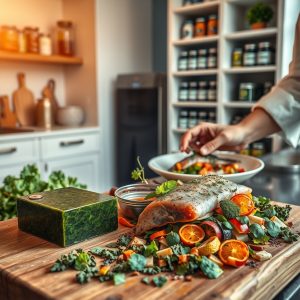
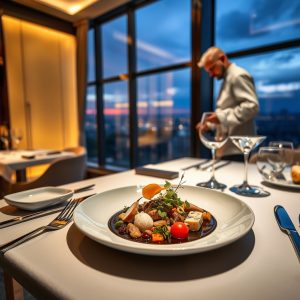
In the world of fine dining, presentation is just as important as flavor. A dish’s visual appeal can heighten anticipation and set the stage for the culinary masterpiece to come. Chefs draw inspiration from art, nature, and even architecture to create plates that are as stunning as they are delicious. A signature dish might resemble a painter’s canvas, with vibrant sauces drizzled in abstract patterns, or a garden in full bloom, with edible flowers and microgreens arranged like petals on a bed of pureed vegetables.
Molecular gastronomy takes this concept even further, using scientific techniques to deconstruct and reimagine classic dishes. A dish of “deconstructed” apple pie might feature a sphere of spiced apple gelée, a quenelle of vanilla ice cream, and a crisp tuile shaped like a pie crust, all arranged to evoke the essence of the dessert without its traditional form. This playful yet precise approach to presentation challenges diners to see food in a new light, blurring the line between cuisine and art.
The Intimacy of an Omakase Dinner
For those seeking a truly personalized gourmet experience, an omakase dinner offers an unparalleled level of intimacy and trust. Originating in Japan, omakase—meaning “I leave it to you”—places the diner’s experience entirely in the hands of the chef. There is no menu, no choices, just a seamless flow of dishes that reflect the chef’s creativity, the season’s best ingredients, and the diner’s preferences. It is a dialogue without words, where the chef reads the guest’s reactions and adjusts the meal accordingly, ensuring each course is a delightful surprise.
This format is particularly popular in sushi restaurants, where the chef might serve a progression of nigiri, each piece more exquisite than the last, culminating in a rare delicacy like otoro or uni. But omakase is not limited to Japanese cuisine. In upscale Western restaurants, a chef might craft an omakase experience around a theme—such as a journey through the Mediterranean or a celebration of heirloom vegetables—showcasing their versatility and skill.
The Future of Fine Dining: Innovation Meets Tradition
As the culinary world evolves, so too does the definition of fine dining. Today’s world-class chefs are not just masters of technique; they are storytellers, scientists, and artists rolled into one. They embrace sustainability, sourcing ingredients from local farms and purveyors to ensure the freshest, most ethical products. They experiment with new technologies, from sous-vide cooking to 3D-printed food, to push the boundaries of what is possible. Yet, at its core, fine dining remains a celebration of human connection—between the chef and the ingredients, the chef and the diner, and the diner and the moment.
The true magic of a gourmet dining experience lies in its ability to make us pause and appreciate the beauty of the present. In a world that moves at a relentless pace, a meal at an upscale restaurant is a rare opportunity to slow down, savor, and indulge in the pleasures of the senses. It is a reminder that food is not just fuel, but a source of joy, inspiration, and wonder—a testament to the endless creativity of the human spirit.