The Pinnacle of Palate Pleasure: Decoding the Mastery Behind a Five-Star Tasting Menu Experience
The world of fine dining is a symphony of precision, creativity, and sensory indulgence, where every detail is meticulously orchestrated to transport diners beyond the ordinary. At the heart of this culinary artistry lies the five-star tasting menu—a curated journey that showcases the pinnacle of a chef’s vision, technique, and passion. Unlike traditional dining, where choices are abundant and plates are served in isolation, a tasting menu is a narrative, a story told through flavors, textures, and presentations that unfold with deliberate intention. It is not merely a meal; it is an immersive gastronomy experience that lingers in memory long after the last bite.
The Philosophy Behind the Five-Star Tasting Menu
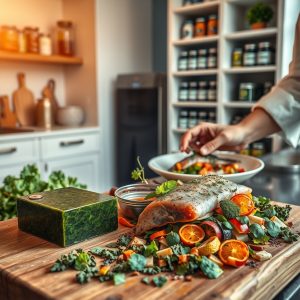
A five-star tasting menu is the embodiment of a chef’s philosophy, a manifestation of their culinary identity distilled into a sequence of dishes. It is where the boundaries of tradition and innovation blur, giving rise to creations that challenge and delight in equal measure. The process begins long before the first course is plated—it starts with sourcing. Ingredients are not just selected; they are revered, often procured from artisanal producers, sustainable farms, or remote regions where terroir imparts unparalleled depth of flavor. Wagyu beef, for instance, is not just beef; it is a testament to centuries of Japanese breeding techniques, its marbling a canvas of umami richness that melts like butter on the tongue. Similarly, caviar is not merely fish roe; it is a luxury harvested from the finest sturgeon, its briny pop a burst of opulence that elevates any dish it graces.
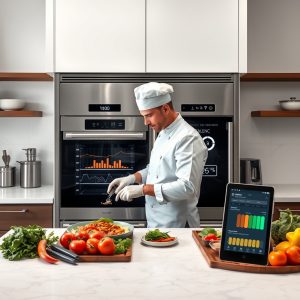
The philosophy extends to the kitchen, where techniques from classical French cuisine intertwine with the avant-garde methods of molecular gastronomy. Here, chefs wield tools like centrifuges, liquid nitrogen, and sous-vide machines not as gimmicks, but as instruments to coax out flavors and textures that defy expectation. A dish might arrive as a delicate foam, its essence captured in a whisper-thin veil, or as a seemingly solid sphere that dissolves into a burst of liquid gold upon contact. Each element is purposeful, each bite a revelation.
The Art of Sequence and Storytelling
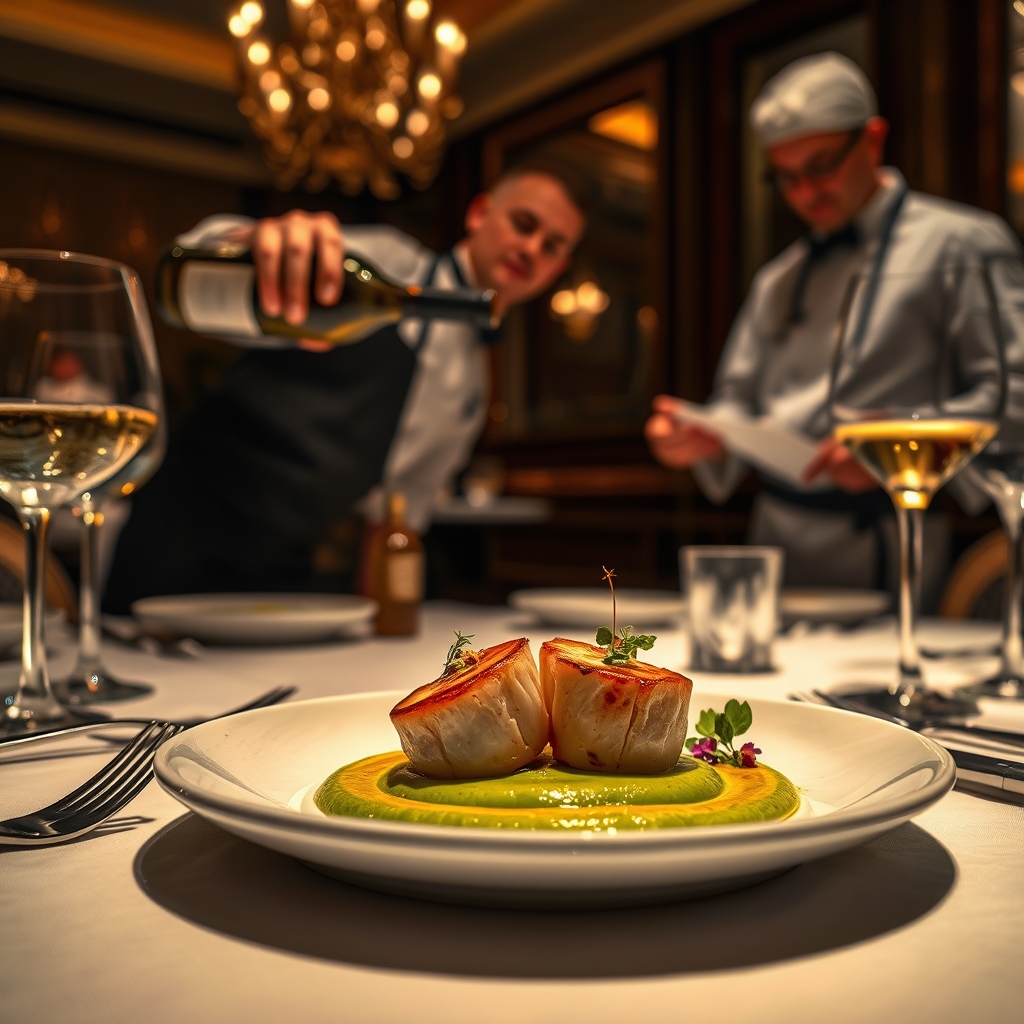
What sets a five-star tasting menu apart is its ability to tell a story. The sequence of dishes is not arbitrary; it is a carefully crafted arc, designed to build anticipation, contrast flavors, and cleanse the palate. A typical progression might begin with a light, acidic amuse-bouche—a single bite of citrus-infused ceviche or a dollop of chilled pea soup—to awaken the senses. This is followed by a series of dishes that alternate between rich and delicate, earthy and bright, hot and cold. A course of seared scallops might give way to a velvety pumpkin velouté, its sweetness tempered by a drizzle of brown butter and a sprinkle of crispy sage. Later, a dish of slow-cooked lamb, its fat rendered to unctuous perfection, could be paired with a reduction of red wine and a quenelle of black garlic purée, the flavors deep and brooding.
The omakase dinner, a concept borrowed from Japanese cuisine, takes this storytelling to another level. Here, the diner surrenders control entirely to the chef, trusting in their expertise to deliver a meal that is both personal and profound. The chef selects each dish based on the freshest ingredients of the day, their mood, or even the season, creating a one-of-a-kind experience that can never be replicated. It is a dance between creator and consumer, a shared moment of vulnerability and trust.
The Role of Wine Pairing in Elevating the Experience
No five-star tasting menu is complete without the accompaniment of a thoughtfully curated wine pairing. The sommelier’s role is as critical as the chef’s, their selections designed to harmonize with each course, enhancing and elevating the flavors on the plate. A crisp, mineral-driven Chablis might cut through the richness of a buttery lobster bisque, while a bold, tannic Barolo could stand up to the intensity of a Wagyu beef course. The pairing is not just about matching flavors; it is about creating a dialogue between the dish and the wine, a back-and-forth that deepens the diner’s appreciation of both.
In some cases, the wine pairing might include rare or aged vintages, bottles that have been cellared for decades to achieve a complexity that complements the chef’s creations. The sommelier’s knowledge is vast, their ability to read the table and adjust selections on the fly a skill honed over years of experience. For the diner, it is an education—a chance to discover new varietals, regions, or producers that they might never have encountered otherwise.
The Theater of Presentation and Service
In the world of luxury dining, presentation is everything. A five-star tasting menu is a feast for the eyes as much as it is for the palate, with each dish plated like a work of art. Chefs draw inspiration from nature, architecture, and even abstract expressionism, using negative space, color contrasts, and intricate garnishes to create visual drama. A dish of roasted duck might be arranged to resemble a landscape, with a smear of cherry compote as the setting sun and microgreens as the foliage. A dessert could arrive as a deconstructed tart, its components scattered across the plate like fallen leaves, each element a surprise waiting to be discovered.
Service, too, plays a pivotal role in the experience. In a Michelin-starred restaurant, the staff are not just servers; they are storytellers, guiding diners through the meal with a blend of warmth and precision. They anticipate needs before they arise, refilling water glasses with a silent nod, clearing plates with a seamless grace. Their knowledge of the menu is encyclopedic, their ability to describe each dish with passion and detail a testament to their training. For the diner, this level of service is as much a part of the experience as the food itself, a reminder that luxury is not just about what is on the plate, but how it is delivered.
The Emotional Resonance of a Signature Dish
Every great tasting menu has a signature dish—a creation that defines the chef’s style and leaves an indelible mark on the diner’s memory. It might be a reinterpretation of a classic, like a deconstructed beef Wellington where the pastry is replaced with a crispy potato tuile and the filling with a silky mushroom duxelles. Or it could be something entirely original, a dish born from a moment of inspiration, like a dessert of liquid nitrogen-frozen olive oil served with a warm chocolate ganache. Whatever its form, the signature dish is the climax of the meal, the moment when all the elements of the tasting menu coalesce into a single, unforgettable bite.
For the chef, the signature dish is a point of pride, a distillation of their culinary journey. It is the dish they are known for, the one that diners travel across the world to experience. For the diner, it is a gift—a chance to taste something truly extraordinary, a flavor that will haunt their dreams and inspire their own culinary adventures. It is the reason why people return to the same restaurant year after year, not just for the food, but for the emotion it evokes.
The five-star tasting menu is more than a meal; it is a celebration of human ingenuity, a testament to the lengths we go to create beauty and meaning in the most ephemeral of experiences. It is a reminder that dining, at its highest level, is not just about sustenance, but about connection—between the chef and the diner, the ingredients and the earth, the past and the future. In a world where so much is fleeting, a tasting menu offers something rare and precious: a moment of pure, unadulterated joy, savored one bite at a time.