
The Culinary Alchemy of Fusion: How Luxury Hotels Are Redefining Gourmet Dining with Global Inspiration and Hyper-Local Soul
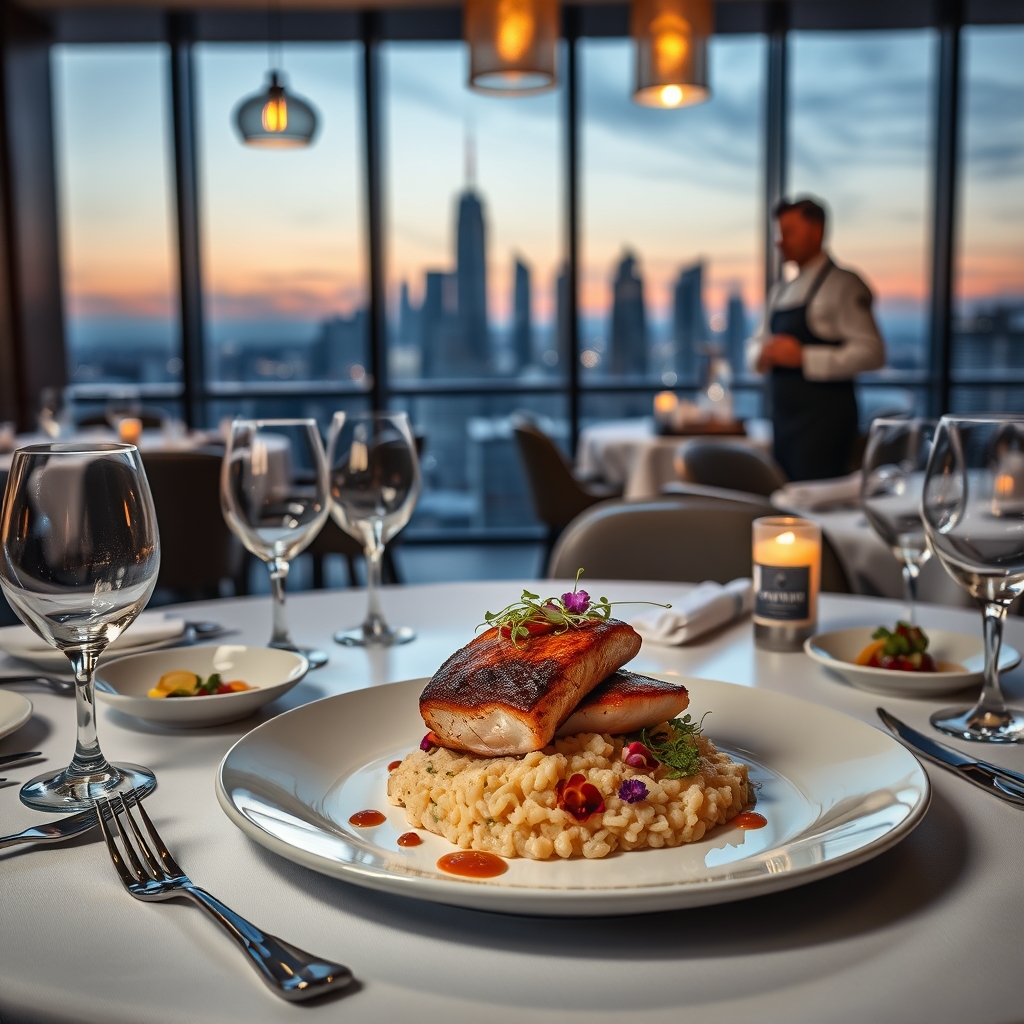
In the ever-evolving landscape of luxury hotel dining, a new paradigm is emerging—one that seamlessly blends the bold, the unexpected, and the deeply rooted. Fusion cuisine, once a niche experiment, has evolved into a sophisticated art form, where global flavors collide with hyper-local ingredients to create dishes that are as thought-provoking as they are delicious. This is not merely about combining cuisines; it’s about crafting a narrative that reflects the soul of a place while embracing the world’s culinary diversity. Luxury hotels, with their access to premium ingredients and world-class chefs, are at the forefront of this movement, redefining what it means to dine in opulence.
The Philosophy Behind Fusion: More Than Just a Trend
Fusion cuisine is often misunderstood as a haphazard mixing of flavors, but in the hands of a master chef, it becomes a deliberate and nuanced exploration of culture, history, and technique. The best fusion dishes tell a story—whether it’s the marriage of Japanese umami with French haute cuisine in a Michelin-starred tasting menu or the infusion of Peruvian spices into a modern gastropub’s signature dish. Luxury hotels are leveraging this philosophy to create dining experiences that are both familiar and revelatory, offering guests a journey that transcends borders.
At the heart of this movement is a deep respect for ingredients. Hyper-local sourcing—once the domain of farm-to-table restaurants—has become a cornerstone of fusion cuisine in high-end hotels. Chefs are forging relationships with local farmers, fishermen, and artisans to source the freshest, most flavorful ingredients, which are then elevated through global techniques. The result? Dishes that are rooted in place yet unbound by tradition. Imagine a dish of hand-rolled pasta infused with Thai basil and lemongrass, served with a reduction of local honey and chili, or a sushi roll wrapped in edible flowers grown in the hotel’s rooftop garden. These are not gimmicks; they are expressions of creativity and craftsmanship.
The Role of Luxury Hotels in Elevating Fusion Cuisine
Luxury hotels are uniquely positioned to push the boundaries of fusion cuisine. Unlike standalone restaurants, they have the resources to experiment with ingredients, techniques, and presentations on a grand scale. Many hotels now employ chefs with diverse culinary backgrounds—from Japanese kaiseki masters to Peruvian ceviche experts—who collaborate to create menus that are as innovative as they are cohesive. This diversity of talent allows for a level of creativity that is difficult to achieve in a traditional restaurant setting.
Take, for example, the rise of destination dining experiences within hotels. These are not just meals; they are immersive journeys that transport guests to another time or place. A rooftop lounge in Dubai might offer a tasting menu that blends Middle Eastern spices with French pastry techniques, while a boutique hotel in Kyoto could serve a multi-course meal that marries traditional kaiseki with modernist cuisine. These experiences are designed to surprise and delight, offering guests a taste of the unfamiliar while grounding them in the comfort of luxury.
In-room dining, too, has undergone a transformation. No longer limited to club sandwiches and salads, upscale hotels are now offering fusion-inspired menus that rival their on-site restaurants. Picture a private dining experience where a chef prepares a bespoke tasting menu in your suite, featuring dishes like miso-glazed black cod with saffron-infused risotto or a dessert of matcha tiramisu with yuzu curd. These personalized experiences are redefining what it means to dine in the privacy of one’s room, turning it into an event to be savored.
The Intersection of Sustainability and Fusion
As the demand for sustainable dining grows, luxury hotels are finding innovative ways to incorporate eco-conscious practices into their fusion menus. This goes beyond simply sourcing local ingredients; it’s about reimagining how those ingredients are used. Chefs are embracing nose-to-tail cooking, fermenting and preserving seasonal produce, and even growing their own herbs and microgreens in on-site gardens. These practices not only reduce waste but also add depth and complexity to dishes.
For instance, a hotel in Copenhagen might serve a fusion dish of Nordic venison with Korean gochujang and foraged mushrooms, while a property in California could offer a plant-based tasting menu that blends Mexican mole with Japanese dashi. These dishes are not only delicious but also reflect a commitment to sustainability, proving that luxury and responsibility can coexist. The use of hyper-local ingredients also allows hotels to support their communities, creating a symbiotic relationship between the kitchen and the land.
The Future of Fusion: Where Tradition Meets Innovation
The future of fusion cuisine in luxury hotels lies in its ability to evolve while staying true to its roots. As global palates become more adventurous, chefs are pushing the boundaries of what is possible, incorporating techniques from molecular gastronomy, fermentation, and even AI-driven flavor pairing. Yet, at its core, fusion cuisine remains about connection—whether it’s the connection between cultures, between the chef and the diner, or between the dish and the land it comes from.
One emerging trend is the use of storytelling in dining. Hotels are increasingly designing menus that take guests on a narrative journey, with each dish representing a chapter in a larger story. This could be the history of a region, the migration of a particular ingredient, or even the personal journey of the chef. These experiences are not just about eating; they are about engaging with food on an emotional and intellectual level.
Another exciting development is the rise of interactive dining experiences. Some hotels are now offering guests the opportunity to participate in the creation of their meal, whether through a chef’s table where they can watch the magic unfold or a hands-on cooking class that teaches them the techniques behind fusion cuisine. These experiences foster a deeper appreciation for the craft of cooking and the art of fusion.
As luxury hotels continue to redefine gourmet dining, fusion cuisine stands as a testament to the power of creativity and collaboration. It is a celebration of diversity, a nod to tradition, and a bold step into the future. Whether through a meticulously crafted tasting menu, a casual yet inventive rooftop lounge dish, or an intimate in-room dining experience, fusion cuisine invites diners to explore the world without ever leaving their table. It is not just about the food; it is about the stories, the memories, and the connections that are forged with every bite. In this way, luxury hotel dining becomes more than a meal—it becomes an experience that lingers long after the last plate is cleared.