Revolutionizing Culinary Education: A Deep Dive into Immersive and Interactive Techniques
In the ever-evolving landscape of culinary education, a new wave of innovation is reshaping the way we learn and practice cooking. Traditional methods, while valuable, are being augmented and sometimes replaced by immersive, interactive, and technology-assisted approaches. These modern techniques not only enhance the learning experience but also foster a deeper appreciation and understanding of food.
Immersive Culinary Education: A New Paradigm
Immersive culinary education is revolutionizing the way aspiring chefs and home cooks learn. Unlike conventional classroom settings, this approach places learners in real-world scenarios, allowing them to experience cooking in various contexts. For instance, students might spend a day in a professional kitchen, observing and assisting chefs, or they could participate in a farm-to-table experience, learning about sustainable ingredient sourcing and seasonal cooking.
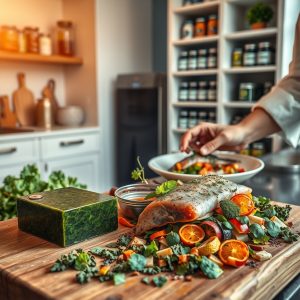
Sensory Cooking Techniques
At the heart of immersive culinary education are sensory cooking techniques. These methods emphasize the importance of taste, smell, touch, and even sound in the cooking process. Learners are encouraged to engage all their senses, from the initial inspection of ingredients to the final plating of the dish. For example, a student might be asked to describe the texture and aroma of a piece of fresh seafood before cooking it, or to listen carefully to the sizzling of a pan to gauge the doneness of a steak.
Personalized Flavor Profiling
Another innovative aspect of immersive culinary education is personalized flavor profiling. This technique involves creating detailed profiles of individual learners’ taste preferences and culinary experiences. Based on these profiles, educators can tailor recipes and cooking techniques to suit each student’s unique preferences and skill level. This personalized approach not only makes the learning process more enjoyable but also helps students develop a deeper understanding of their own tastes and preferences.
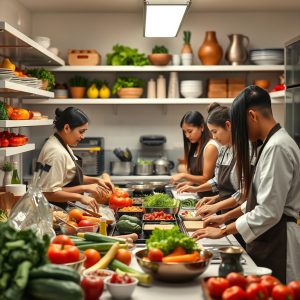
Interactive Kitchen Workshops: Hands-On Learning
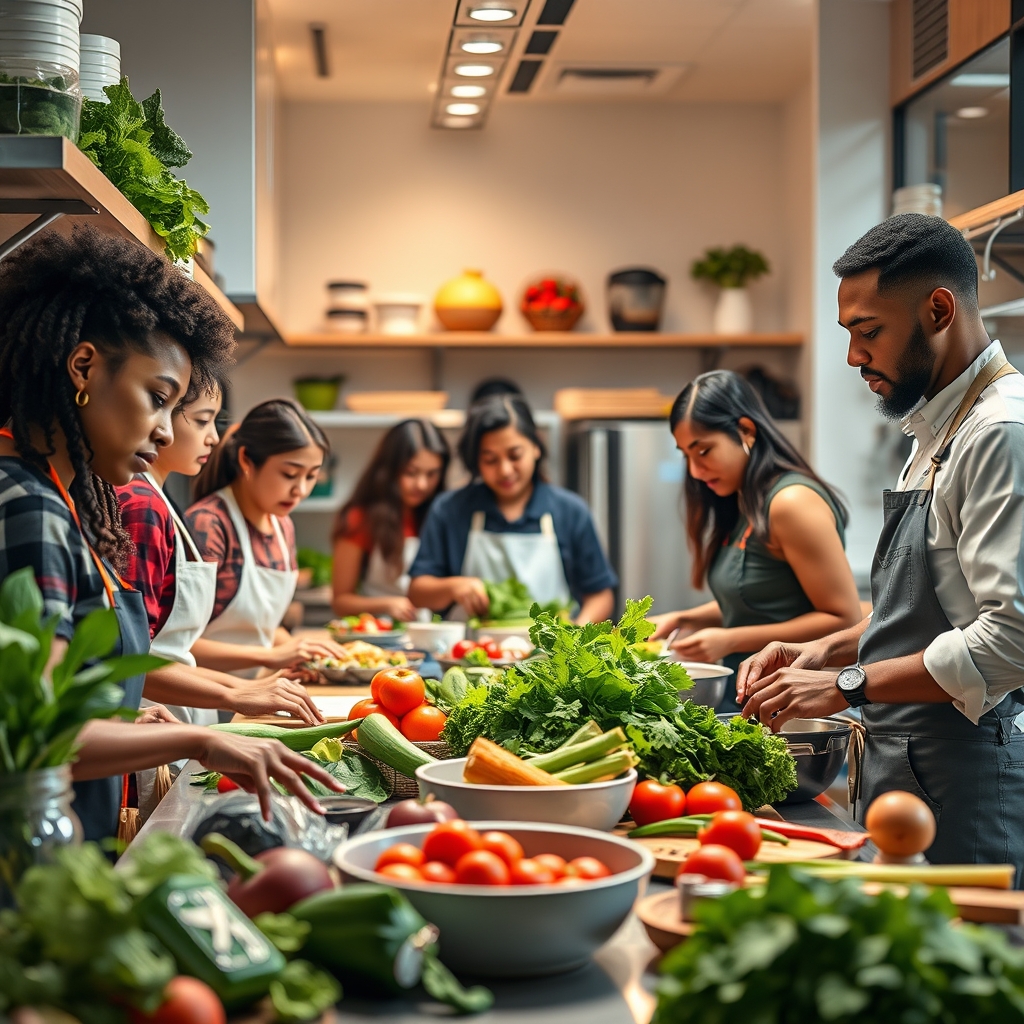
Interactive kitchen workshops are another powerful tool in the immersive culinary education toolkit. These workshops provide learners with the opportunity to practice their skills in a supportive, collaborative environment. Unlike traditional cooking classes, where students might work independently, interactive workshops encourage teamwork and peer learning. For example, a workshop might involve a group of students working together to create a multi-course meal, with each student responsible for a specific dish or technique.
Sustainable Ingredient Sourcing
One of the key focuses of interactive kitchen workshops is sustainable ingredient sourcing. Learners are encouraged to explore the origins of their ingredients, from local farmers’ markets to global supply chains. They might also learn about the environmental impact of different ingredients and how to make more sustainable choices. This not only helps students become more conscious consumers but also inspires them to incorporate sustainable practices into their own cooking.
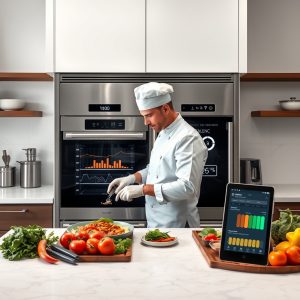
Tech-Assisted Precision Cooking
Technology is playing an increasingly important role in interactive kitchen workshops. Tech-assisted precision cooking tools, such as smart scales, thermometers, and even AI-powered recipe generators, are helping learners achieve more accurate and consistent results. For example, a smart scale can automatically adjust ingredient quantities based on the desired serving size, while an AI recipe generator can suggest personalized recipes based on the ingredients the learner has on hand.
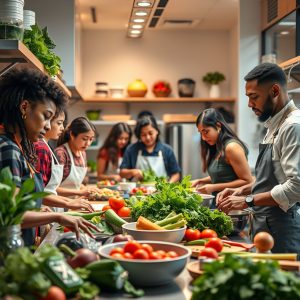
Collaborative Recipe Development: A Group Effort
Collaborative recipe development is another innovative technique that is gaining traction in the culinary education world. This approach involves groups of learners working together to create new recipes, drawing on their individual skills, experiences, and taste preferences. The process not only fosters creativity and innovation but also encourages teamwork and communication skills.
Experiential Gastronomy Methods
Experiential gastronomy methods are often used in collaborative recipe development. These methods emphasize the importance of the learner’s experience and emotions in the cooking process. For example, a group might be asked to create a recipe that tells a story, or that evokes a specific mood or atmosphere. This not only encourages creativity and innovation but also helps learners develop a deeper understanding of the emotional and cultural aspects of food.
Home Kitchen Optimization
Another key focus of collaborative recipe development is home kitchen optimization. Learners are encouraged to think about the layout and functionality of their kitchens, and how they can make the most of the space they have. This might involve rearranging furniture, investing in new equipment, or even repurposing old items. By optimizing their home kitchens, learners can create a more efficient and enjoyable cooking environment.
The future of culinary education is bright, with immersive, interactive, and technology-assisted techniques revolutionizing the way we learn and practice cooking. From sensory cooking techniques and personalized flavor profiling to interactive kitchen workshops and collaborative recipe development, these modern approaches are helping learners develop a deeper understanding and appreciation of food. As we continue to explore and innovate in this exciting field, one thing is clear: the best way to learn to cook is to get hands-on, engage all your senses, and embrace the joy of the culinary experience.