
From Farm to Five-Star: How Hyper-Local Ingredients Are Redefining Luxury Hotel Dining
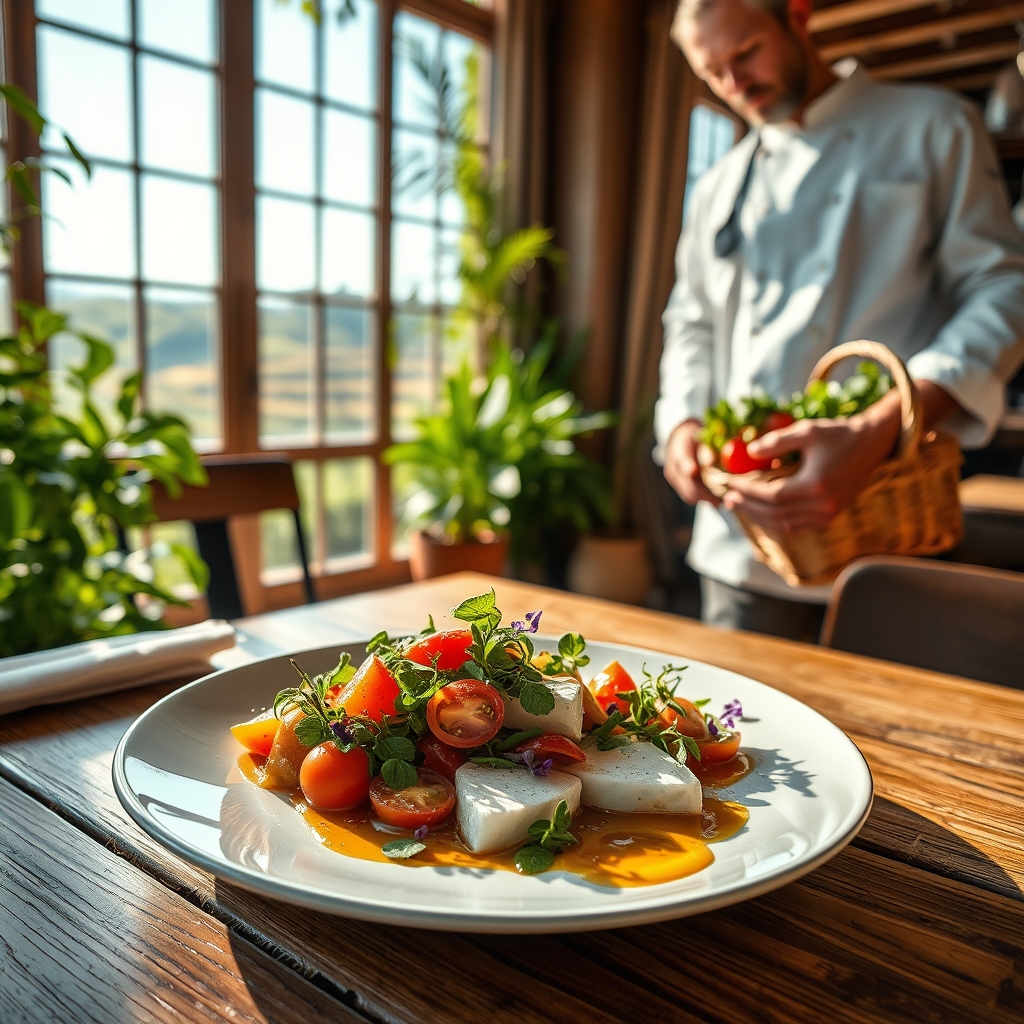
In the ever-evolving world of luxury hospitality, the phrase “you are what you eat” has taken on a profoundly literal meaning. Gone are the days when opulence in hotel dining was measured solely by the rarity of imported ingredients or the extravagance of gold-leaf garnishes. Today, the most discerning travelers seek something far more meaningful: a culinary experience that tells a story, connects them to the land, and reflects a commitment to sustainability without compromising on sophistication. This shift has given rise to a transformative trend in high-end hospitality—hyper-local ingredients are now the cornerstone of gourmet restaurant menus in boutique hotels and five-star establishments alike.
The Rise of the Hyper-Local Movement
The concept of hyper-local dining is not entirely new, but its integration into luxury hotel cuisine has elevated it to an art form. At its core, hyper-localism emphasizes sourcing ingredients from within a tight radius—often just a few miles—of the restaurant. This approach ensures peak freshness, minimizes carbon footprints, and fosters a deeper connection between diners and the regional terroir. For luxury hotels, this philosophy aligns perfectly with the growing demand for authenticity and transparency in fine dining.
Take, for example, a boutique hotel nestled in the rolling hills of Tuscany. Here, the restaurant’s menu might feature olive oil pressed from trees just beyond the property’s vineyards, heirloom tomatoes grown in the hotel’s own organic garden, and truffles foraged from nearby forests. The result is a dining experience that is not only exquisite in flavor but also deeply rooted in the local culture and landscape. This level of intentionality transforms a meal into a narrative, where every bite carries the essence of the place.
Sustainability Meets Sophistication
One of the most compelling aspects of hyper-local dining is its inherent sustainability. By reducing the distance ingredients travel, hotels significantly cut down on transportation emissions, packaging waste, and the need for preservatives. However, sustainability in luxury dining is about more than just logistics—it’s about reimagining what it means to dine well. Chefs in these settings are challenged to create dishes that highlight the natural beauty of local ingredients, often employing techniques like fermentation, curing, and slow cooking to coax out maximum flavor.
Consider the farm-to-table movement, which has long been a staple in progressive restaurants. In luxury hotels, this concept is taken to new heights. A five-star property in California’s Napa Valley, for instance, might collaborate with nearby farms to source everything from artisanal cheeses to heritage grains. The hotel’s chef could then craft a seasonal tasting menu that evolves weekly, ensuring that diners experience the freshest possible ingredients while supporting local agriculture. This approach not only reduces environmental impact but also fosters a sense of community, as guests become part of a larger ecosystem that values ethical and sustainable practices.
The Role of the Chef as Curator
In hyper-local luxury dining, the chef’s role transcends that of a mere cook—they become curators of culture, history, and ecology. These culinary visionaries often forge direct relationships with farmers, fishermen, and artisans, ensuring that the ingredients they source are not only of the highest quality but also ethically produced. This level of collaboration allows chefs to tell a story through their dishes, whether it’s reviving forgotten heirloom varieties or showcasing the unique flavors of a specific microclimate.
A prime example of this can be found in a boutique hotel in Kyoto, where the chef partners with local rice farmers to create a signature dish featuring a rare, centuries-old strain of rice. The dish is served with a delicate broth made from mushrooms foraged in the surrounding mountains, accompanied by pickles fermented using traditional methods passed down through generations. Here, the meal is not just a feast for the palate but also a celebration of Japan’s rich culinary heritage.
Wellness and the Hyper-Local Connection
The hyper-local trend also intersects beautifully with the growing demand for wellness-focused dining. Travelers today are increasingly conscious of how their food choices impact their health, and luxury hotels are responding by offering menus that prioritize nutrient-dense, whole foods. By sourcing ingredients locally, chefs can ensure that their dishes are packed with freshness and vitality, free from the additives and preservatives often found in mass-produced foods.
In a wellness retreat in Bali, for instance, the hotel’s restaurant might serve a plant-based fine dining menu featuring tropical fruits, organic vegetables, and superfoods like moringa and turmeric, all grown on-site or sourced from nearby farms. The dishes are designed not only to delight the senses but also to nourish the body, with an emphasis on balance, harmony, and holistic well-being. This approach to dining reflects a broader shift in luxury hospitality, where indulgence is redefined to include mindful, health-conscious choices.
The Future of Hyper-Local Luxury Dining
As the hyper-local movement continues to gain momentum, it is poised to redefine the future of luxury hotel dining. Hotels that embrace this trend are not only meeting the demands of modern travelers but also setting new standards for sustainability, innovation, and culinary excellence. The integration of hyper-local ingredients into gourmet menus allows these establishments to offer experiences that are unique, memorable, and deeply connected to the places they inhabit.
Moreover, this trend is fostering a new era of culinary tourism, where travelers seek out destinations not just for their scenic beauty or cultural attractions but for their gastronomic offerings. A hotel in Provence, for example, might attract food enthusiasts eager to taste dishes made with lavender harvested from the hotel’s fields, or wines produced from grapes grown in its vineyards. These experiences turn dining into a form of exploration, where every meal is an opportunity to discover the soul of a place.
The beauty of hyper-local luxury dining lies in its ability to blend tradition with innovation, sustainability with indulgence, and simplicity with sophistication. It is a testament to the idea that the most extraordinary culinary experiences are not those that rely on the exotic or the extravagant, but those that celebrate the essence of a place, the skill of its people, and the bounty of its land. As more hotels embrace this philosophy, the future of fine dining looks not only delicious but also deeply meaningful, offering travelers a taste of something truly authentic.