The New Era of Upscale In-Room Dining: Where Luxury Meets Personalized Culinary Artistry
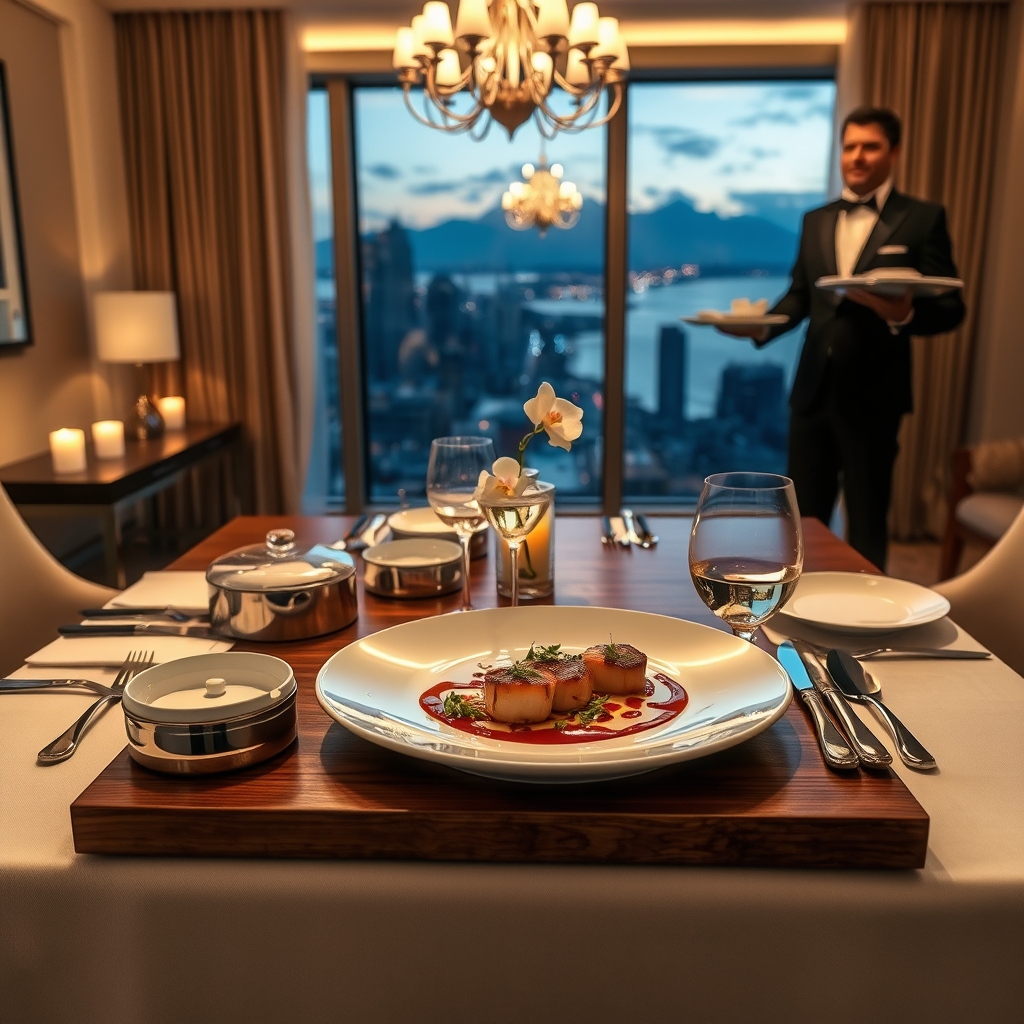
In the ever-evolving landscape of luxury hospitality, in-room dining has undergone a remarkable transformation. No longer confined to the clichéd image of a covered tray and a lukewarm meal, today’s upscale in-room dining experiences are redefining what it means to enjoy gourmet cuisine within the privacy of a five-star hotel suite. This shift is not merely about convenience; it’s about crafting a bespoke culinary journey that rivals the finest restaurant experiences, tailored to the unique desires of each guest.
The Rise of the Culinary Concierge
Modern luxury hotels are elevating in-room dining by introducing the concept of a “culinary concierge”—a dedicated expert who curates personalized menus based on guest preferences, dietary restrictions, and even mood. This service goes beyond the traditional room service menu, offering access to the hotel’s signature dishes, chef’s specials, and even off-menu creations. Imagine arriving at your suite after a long journey, only to find a handwritten note from the executive chef suggesting a light yet indulgent supper of seared scallops with saffron-infused risotto, paired with a chilled glass of Viognier—all based on your expressed love for seafood during check-in.
Hotels like The Peninsula in Hong Kong and The Ritz-Carlton in Kyoto have pioneered this approach, where in-room dining is treated as an extension of the hotel’s fine dining restaurant. Guests can request dishes from the hotel’s Michelin-starred restaurant, complete with the same presentation, plating, and attention to detail as if they were seated in the dining room. The experience is seamless, with white-gloved staff ensuring that every element—from the temperature of the dish to the timing of the delivery—is executed flawlessly.
From Farm to Suite: The Hyper-Local Movement in In-Room Dining
The farm-to-table movement has found a natural home in upscale in-room dining, with hotels sourcing hyper-local ingredients to create dishes that reflect the region’s terroir. At the Blackberry Mountain resort in Tennessee, for example, in-room dining menus highlight ingredients grown on the property’s organic farm, such as heirloom tomatoes, fresh herbs, and pasture-raised poultry. This commitment to sustainability and locality not only enhances the flavor of the dishes but also allows guests to connect with the destination in a meaningful way, even from the comfort of their suite.
Similarly, hotels in urban settings are partnering with local artisans and producers to bring the city’s culinary identity to their in-room dining offerings. The Hoxton in Amsterdam, for instance, collaborates with nearby bakeries, cheese mongers, and craft breweries to create a breakfast spread that feels authentically Dutch. This approach not only supports local businesses but also provides guests with a taste of the city’s culture without ever having to leave their room.
The Art of Presentation: Plating as Performance
In the world of fine dining, presentation is everything—and in-room dining is no exception. Hotels are investing in high-quality tableware, custom-designed trays, and even portable induction burners to ensure that dishes arrive at the table looking as stunning as they do in the restaurant. At the Four Seasons Hotel George V in Paris, in-room dining trays are adorned with fresh flowers, linen napkins, and silver cloches that are lifted with a flourish to reveal the meal beneath. The attention to detail extends to the smallest elements, such as the temperature of the plates (warmed for hot dishes, chilled for cold ones) and the precise placement of garnishes.
Some hotels are taking presentation a step further by incorporating interactive elements into the in-room dining experience. The Andaz Mayakoba in Mexico, for example, offers a “build-your-own ceviche” kit, complete with fresh seafood, citrus, and a selection of local spices, allowing guests to customize their dish while learning about the ingredients. This hands-on approach not only engages the senses but also creates a memorable experience that goes beyond the meal itself.
Wellness and Indulgence: The Dual Pillars of Modern In-Room Dining
As wellness continues to shape the hospitality industry, in-room dining menus are evolving to cater to health-conscious travelers without sacrificing indulgence. Hotels are offering plant-based fine dining options, superfood-infused dishes, and even personalized wellness menus designed by nutritionists. The Six Senses resorts, known for their holistic approach to hospitality, provide in-room dining menus that focus on organic, nutrient-dense ingredients, with options like turmeric-ginger shots, quinoa bowls, and antioxidant-rich desserts. Yet, they also offer decadent treats for those seeking pure indulgence, such as dark chocolate fondue with fresh fruit or a classic New York cheesecake.
For guests seeking a balance between wellness and luxury, hotels are introducing “mindful indulgence” menus that combine the best of both worlds. The 1 Hotel Brooklyn Bridge, for instance, offers a “Farmers Market Breakfast” featuring locally sourced eggs, avocado toast with heirloom tomatoes, and a side of house-made granola—all served with a green juice or a glass of champagne, depending on the guest’s preference. This flexibility allows travelers to enjoy a gourmet meal that aligns with their lifestyle, whether they’re on a wellness retreat or celebrating a special occasion.
The Future of In-Room Dining: Technology Meets Tradition
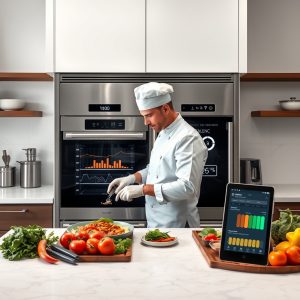
The integration of technology is further enhancing the in-room dining experience, making it more seamless, personalized, and interactive. Many luxury hotels now offer digital menus accessible via tablets or smartphones, complete with high-resolution images, detailed descriptions, and even chef’s recommendations. Guests can place orders with a few taps, track their meal’s progress in real-time, and even request modifications or special requests with ease. The Waldorf Astoria in Beverly Hills takes this a step further by offering a virtual concierge service, where guests can video chat with a sommelier to select the perfect wine pairing for their meal.
Yet, despite these technological advancements, the human touch remains at the heart of upscale in-room dining. Hotels are training their staff to anticipate guest needs, whether it’s remembering a preference for extra-spicy dishes or ensuring that a favorite dessert is waiting in the suite upon arrival. This blend of technology and tradition creates an experience that feels both cutting-edge and deeply personal.
As the boundaries between hotel dining and fine dining continue to blur, in-room dining is emerging as a powerful way for luxury hotels to differentiate themselves. It’s no longer just about delivering a meal to a guest’s door; it’s about creating a moment of culinary artistry, tailored to the individual, that lingers in the memory long after the last bite. Whether it’s a midnight snack of truffle-infused mac and cheese or a sunrise breakfast of fluffy pancakes with local honey, the new era of in-room dining proves that luxury is not just about where you stay—it’s about how you savor every moment of the experience.