The Alchemy of Ingredients: How Luxury Hotels Are Crafting Edible Masterpieces with Hyper-Local and Artisanal Sourcing
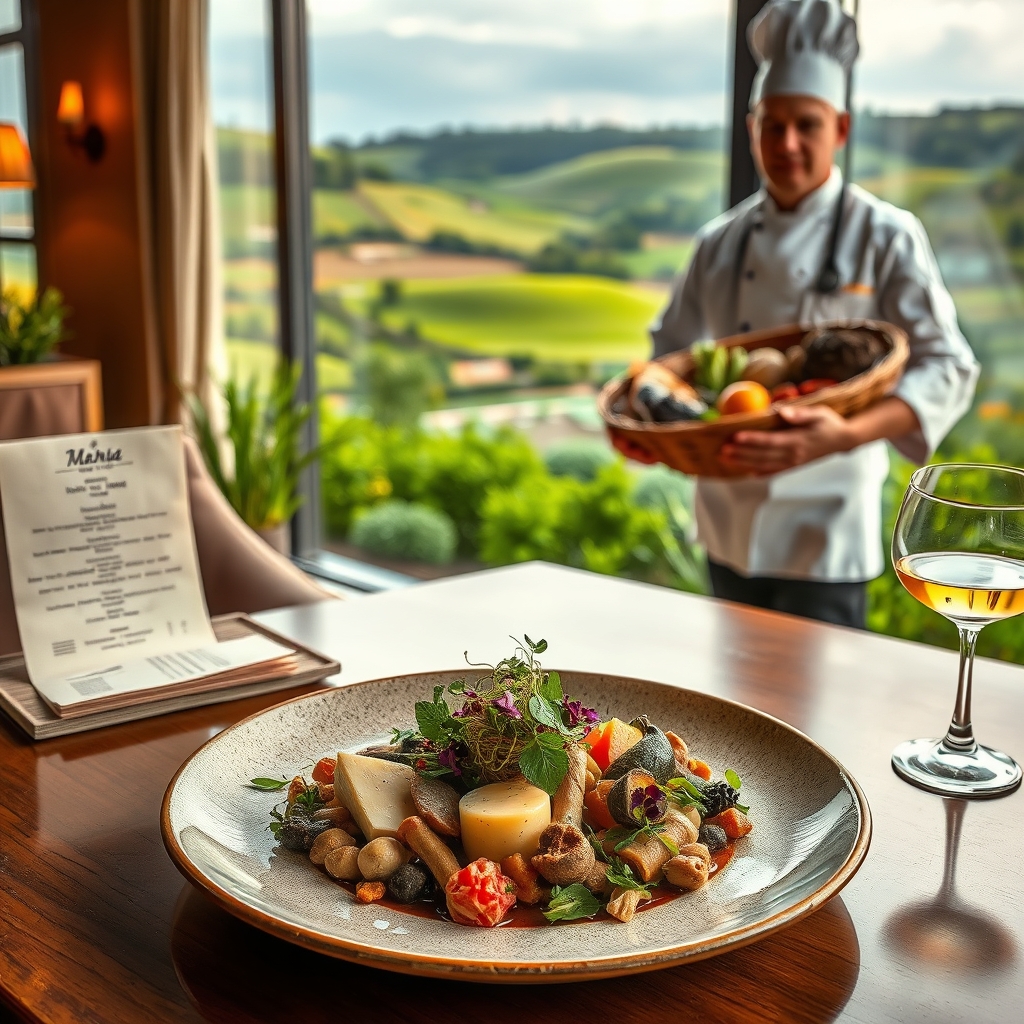
In the rarefied world of luxury hotel dining, the plate is no longer just a vessel for food—it is a canvas where nature’s most exquisite elements are transformed into edible art. The modern gourmet experience has evolved beyond mere sustenance, becoming a symphony of flavors, textures, and narratives that celebrate the land, the season, and the hands that cultivate it. At the heart of this culinary renaissance lies an unwavering commitment to hyper-local and artisanal sourcing, a philosophy that elevates dining from a meal to a memory.
The Philosophy of Hyper-Local Sourcing
Hyper-local sourcing is more than a trend; it is a return to the roots of gastronomy, where the distance between farm and table is measured in miles, not continents. Luxury hotels are increasingly forging partnerships with nearby farmers, foragers, and artisans, ensuring that every ingredient tells a story of its origin. A dish might feature heirloom tomatoes grown in the hotel’s rooftop garden, honey harvested from beehives on the property, or cheese aged in a local creamery’s caves. This approach not only guarantees unparalleled freshness but also fosters a deeper connection between diners and the land that sustains them.
Take, for example, the approach of a five-star hotel in Tuscany, where the chef collaborates with a network of local producers to source everything from truffles to olive oil. The menu changes not just seasonally, but almost daily, reflecting the ephemeral bounty of the region. Diners are invited to meet the producers, tour the farms, and even participate in foraging expeditions, turning a meal into an immersive journey. This level of transparency and intimacy is redefining what it means to dine luxuriously.
The Artisanal Renaissance
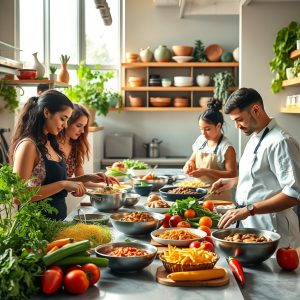
Parallel to the hyper-local movement is the resurgence of artisanal craftsmanship. Luxury hotels are reviving age-old techniques—fermentation, curing, smoking, and slow-cooking—to create dishes that are as much a testament to tradition as they are to innovation. A chef might spend weeks perfecting a house-made miso using locally grown soybeans, or months aging a charcuterie selection in a temperature-controlled cellar. These processes, often invisible to the diner, are the unsung heroes of modern fine dining, imbuing each bite with depth and complexity.
In boutique hotels, this artisanal ethos extends to every aspect of the dining experience. Breakfast might feature sourdough bread baked in-house using a starter that has been nurtured for decades, or yogurt cultured from the milk of a nearby dairy. Even the condiments—handcrafted mustards, infused oils, and fruit preserves—are made in small batches, ensuring that no detail is overlooked. This dedication to craftsmanship transforms even the simplest dish into a masterpiece.
The Role of the Chef as Curator
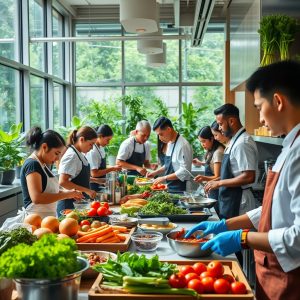
Today’s luxury hotel chefs are not just cooks; they are curators of culinary experiences. Their role extends beyond the kitchen, encompassing everything from ingredient sourcing to storytelling. A chef might spend as much time in the fields as they do at the stove, building relationships with farmers and artisans to ensure that every component of a dish is of the highest quality. This hands-on approach allows them to craft menus that are not just delicious, but deeply personal—reflections of their own journeys, the terroir of the region, and the season’s fleeting offerings.
Consider the tasting menu at a Michelin-starred hotel in Kyoto, where the chef draws inspiration from the Japanese concept of “shun”—the idea that ingredients are at their peak for only a brief moment. Each course is a celebration of this ephemeral perfection, from the first delicate bite of spring bamboo shoot to the final sip of matcha-infused dessert. The menu is a love letter to the season, a reminder that true luxury lies in the appreciation of nature’s transient beauty.
The Fusion of Tradition and Innovation
While hyper-local and artisanal sourcing are rooted in tradition, luxury hotels are also embracing cutting-edge techniques to push the boundaries of gourmet dining. Molecular gastronomy, sous-vide cooking, and precision fermentation are being used not to replace traditional methods, but to enhance them. A dish might combine a centuries-old fermentation technique with modern plating, creating a harmony of old and new that delights the senses.
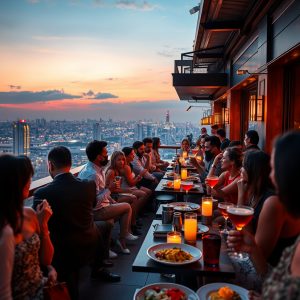
For instance, a rooftop lounge in New York City might serve a deconstructed version of a classic farm-to-table dish, using spherification to turn local berries into bursts of flavor or liquid nitrogen to create a velvety sorbet from foraged herbs. These innovations are not gimmicks; they are tools that allow chefs to express their creativity while staying true to the essence of the ingredients. The result is a dining experience that is both familiar and thrillingly unexpected.
The Rise of Conscious Indulgence
As diners become more discerning, luxury hotels are responding by prioritizing sustainability without compromising on opulence. The concept of “conscious indulgence” is gaining traction, where every element of the dining experience—from the ingredients to the tableware—is chosen with care for the environment. Hotels are reducing food waste by repurposing scraps into new dishes, using biodegradable packaging for in-room dining, and even implementing zero-waste kitchens where every part of an ingredient is utilized.
A prime example is a wellness-focused hotel in California, where the menu is entirely plant-based, yet every dish is designed to rival the richness of traditional fine dining. The chef sources ingredients from regenerative farms, where soil health is prioritized, and partners with local fishermen who use sustainable practices. The result is a menu that is not just good for the planet, but also a celebration of flavor and creativity.
The Future of Luxury Dining
The future of luxury hotel dining lies in the seamless integration of hyper-local sourcing, artisanal craftsmanship, and innovative techniques. It is a future where every meal is a story, every ingredient a character, and every bite a revelation. As hotels continue to blur the lines between dining and experience, the definition of luxury will evolve from extravagance to authenticity—a celebration of the land, the people, and the moments that make each meal unforgettable.
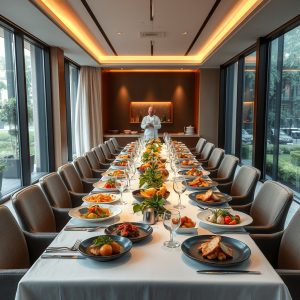
The most extraordinary dining experiences are no longer defined by the price tag or the prestige of the establishment, but by the depth of connection they foster. Whether it’s a tasting menu that traces the journey of a single ingredient or a farm-to-table breakfast that captures the essence of a sunrise, luxury dining is becoming a way to savor not just food, but life itself. In this new era, the true measure of a meal’s worth is not in its cost, but in its ability to nourish the soul as much as the body.