The Ephemeral Magic of Seasonal Tasting Menus: How Luxury Hotels Are Crafting Culinary Time Capsules
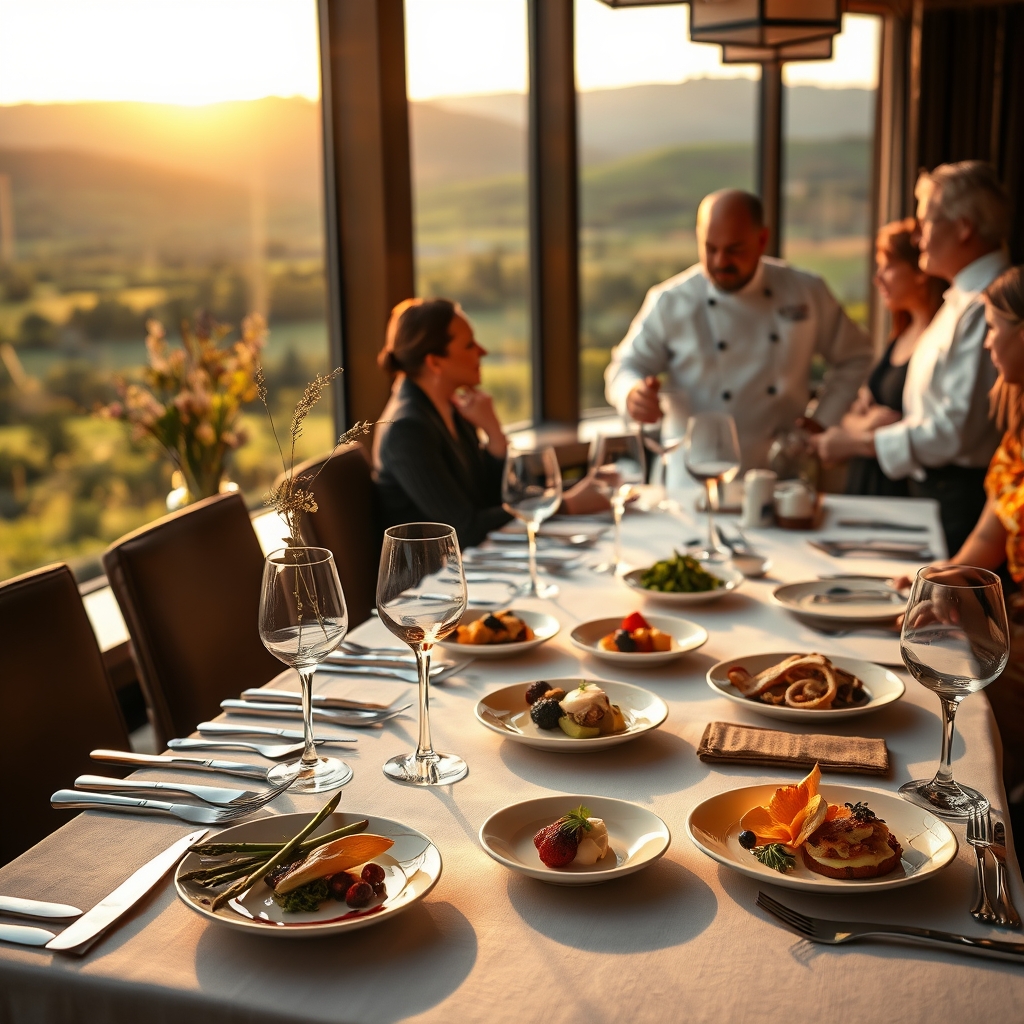
In the rarefied world of luxury hotel dining, a quiet revolution is unfolding—one that celebrates the fleeting beauty of nature’s bounty through the artistry of seasonal tasting menus. No longer confined to the rigid structures of traditional fine dining, these ephemeral culinary experiences are designed to capture the essence of a moment, a place, and a story, all while pushing the boundaries of creativity and sustainability. For the modern traveler, a seasonal tasting menu is not just a meal; it’s a journey through time, a celebration of impermanence, and a testament to the skill of chefs who transform the ordinary into the extraordinary.
The Philosophy Behind Seasonal Tasting Menus
At the heart of the seasonal tasting menu lies a deep reverence for the natural world. Unlike static menus that remain unchanged for months, these culinary creations evolve with the rhythms of the earth, reflecting the ebb and flow of harvests, weather, and even the whims of local farmers. Chefs in luxury hotels are increasingly embracing this philosophy, viewing each season as a blank canvas upon which they can paint a new narrative. The result? A dining experience that is as unique as it is unforgettable, where every dish tells a story of time, place, and craftsmanship.
This approach is not merely about freshness; it’s about intentionality. By sourcing ingredients at their peak, chefs can coax out flavors that are more vibrant, textures that are more nuanced, and presentations that are more evocative. A spring tasting menu might feature delicate asparagus spears paired with morel mushrooms, while a winter offering could highlight the earthy richness of black truffles and root vegetables. The menu becomes a living entity, shifting and adapting to the world outside the kitchen’s walls.
The Role of Hyper-Local Sourcing
To truly master the art of the seasonal tasting menu, luxury hotels are forging deep connections with local producers, foragers, and artisans. This hyper-local sourcing is not just a trend—it’s a commitment to sustainability, community, and culinary authenticity. Chefs are venturing beyond the confines of their kitchens to visit farms, fisheries, and even wild landscapes, hand-selecting ingredients that will define their menus. The relationship between chef and producer is symbiotic: farmers gain a platform to showcase their craft, while chefs gain access to ingredients that are as unique as they are flavorful.
Take, for example, a boutique hotel in Tuscany that collaborates with a nearby olive grove to source its oil. The chef doesn’t just use the oil as a finishing touch; it becomes the star of a dish, its peppery notes harmonizing with heirloom tomatoes and fresh basil. Or consider a coastal resort in Maine, where the chef works with local lobstermen to create a tasting menu centered around the day’s catch. These partnerships elevate the dining experience, transforming each bite into a celebration of the region’s terroir.
The Art of Culinary Storytelling
A seasonal tasting menu is more than a sequence of dishes—it’s a narrative, carefully crafted to engage all the senses. Chefs are increasingly acting as storytellers, using their menus to transport diners to a specific time and place. The presentation of each course is meticulously designed to evoke emotion, whether it’s the rustic charm of a farmhouse table or the sleek sophistication of a Michelin-starred restaurant. Even the names of the dishes are part of the story, hinting at the inspiration behind them without giving too much away.
Consider a tasting menu inspired by the changing seasons in Kyoto. The chef might begin with a dish of cherry blossom-infused tofu, its delicate pink hue and floral aroma setting the stage for the meal. The next course could feature grilled ayu fish, a seasonal delicacy in Japan, served with a side of pickled vegetables that echo the flavors of a traditional kaiseki meal. Each dish builds on the last, creating a cohesive journey that reflects the chef’s vision and the region’s culinary heritage.
The Fusion of Tradition and Innovation
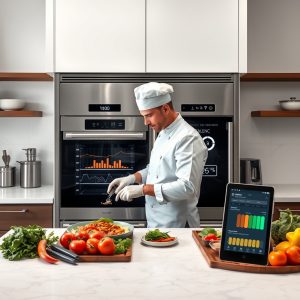
While seasonal tasting menus are rooted in tradition, they are also a playground for innovation. Chefs are increasingly blending time-honored techniques with modern culinary science to create dishes that are both familiar and surprising. Molecular gastronomy, for instance, might be used to deconstruct a classic dish, reimagining it in a way that challenges the diner’s expectations. A traditional French bouillabaisse could be transformed into a delicate foam, served alongside crispy seaweed and a saffron-infused broth. The result is a dish that honors its origins while pushing the boundaries of what is possible in fine dining.
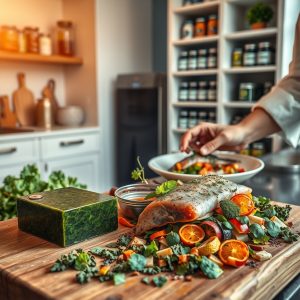
This fusion of old and new is particularly evident in the world of plant-based fine dining. As more luxury hotels embrace sustainability, chefs are turning to vegetables, grains, and legumes as the stars of their tasting menus. A seasonal tasting menu might feature a dish of roasted heirloom carrots, their natural sweetness enhanced by a miso glaze and a sprinkle of toasted sesame seeds. Another course could highlight the earthy depth of mushrooms, paired with a truffle-infused risotto and a drizzle of aged balsamic. These dishes prove that plant-based dining can be just as luxurious and indulgent as its meat-centric counterparts.
The Future of Seasonal Tasting Menus
As the demand for unique, immersive dining experiences continues to grow, seasonal tasting menus are poised to become a cornerstone of luxury hotel cuisine. Chefs are increasingly viewing these menus as an opportunity to showcase their creativity, their commitment to sustainability, and their deep connection to the communities they serve. For diners, the appeal lies in the ephemeral nature of the experience—knowing that each dish is a one-of-a-kind creation, available for only a limited time, makes the meal all the more special.
Moreover, seasonal tasting menus are a reflection of a broader shift in the way we think about food. In an era of instant gratification and mass production, these menus offer a counterpoint—a reminder that the best things in life are often the ones that cannot be rushed or replicated. They invite diners to slow down, savor each bite, and appreciate the artistry that goes into every course. In doing so, they transform a meal into a memory, a fleeting moment of indulgence that lingers long after the last plate has been cleared.
The magic of a seasonal tasting menu lies in its ability to capture the essence of a moment, a place, and a story. It’s a celebration of impermanence, a testament to the skill of the chefs who craft it, and a gift to the diners who experience it. As luxury hotels continue to push the boundaries of what is possible in fine dining, one thing is certain: the seasonal tasting menu is here to stay, evolving with each passing season to offer a new chapter in the ever-unfolding story of gourmet cuisine.