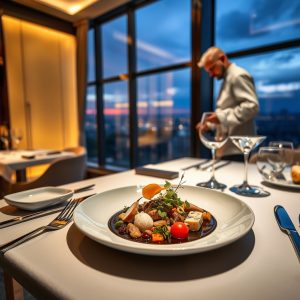
The Art of Culinary Diplomacy: How Luxury Hotels Are Crafting Global Tasting Menus with Hyper-Local Integrity
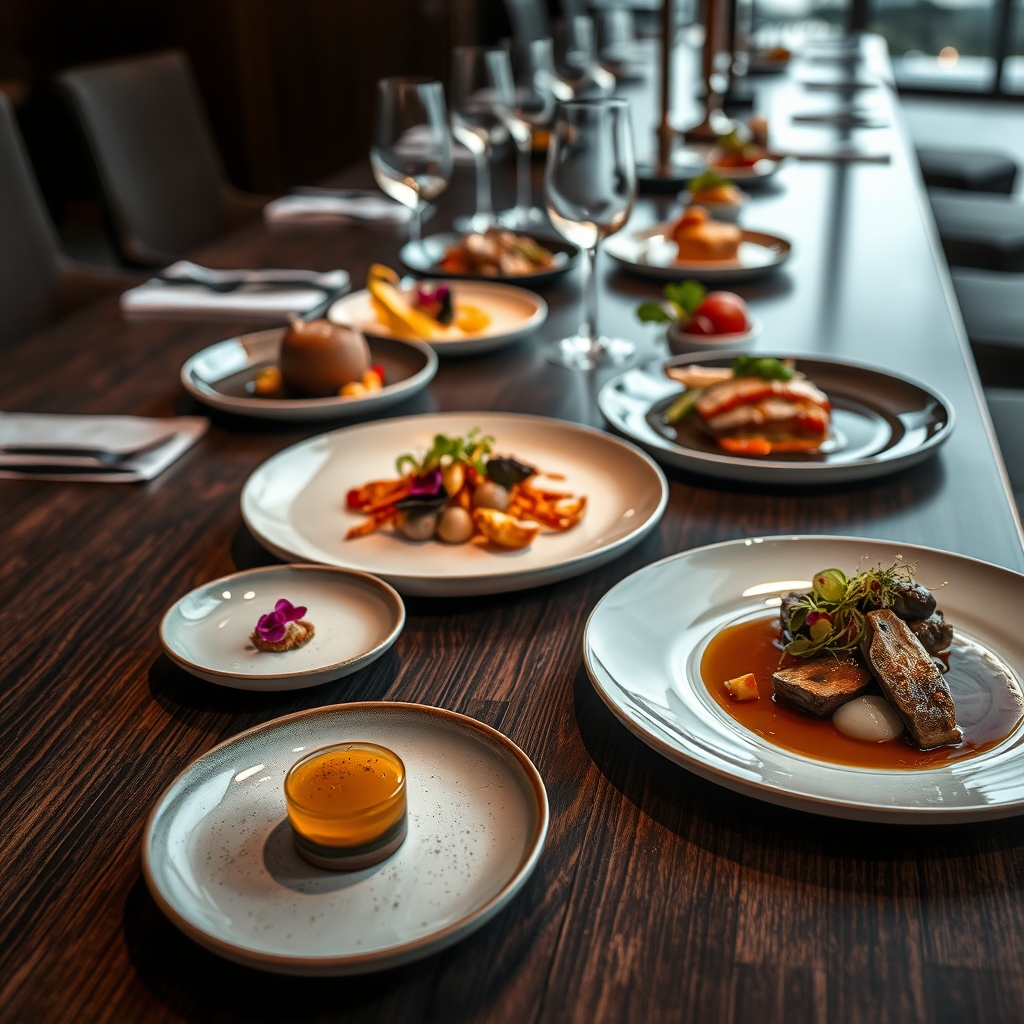
In the rarefied world of luxury hotel dining, a quiet revolution is unfolding—one where the boundaries of global cuisine dissolve into a seamless tapestry of hyper-local authenticity. No longer confined to the rigid expectations of traditional fine dining, today’s most visionary hotels are embracing a new form of culinary diplomacy, where tasting menus become passports to distant lands while remaining deeply rooted in the terroir of their surroundings. This is not fusion for fusion’s sake, but a deliberate, artful negotiation between global inspiration and the uncompromising integrity of local ingredients.
The Rise of the Global-Local Tasting Menu
The concept of the tasting menu has long been a hallmark of haute cuisine, but its latest evolution is far more ambitious. Chefs in luxury hotels are now curating multi-course journeys that traverse continents, yet each dish remains a love letter to the region in which it is served. Imagine beginning your meal with a delicate amuse-bouche of Hokkaido uni, its briny sweetness elevated by a whisper of yuzu—only to transition seamlessly into a course of Cornish crab, its richness tempered by a velvety emulsion of local sea buckthorn. The magic lies not in the juxtaposition of flavors alone, but in the way these global influences are harmonized with hyper-local ingredients, creating a dialogue that feels both familiar and revelatory.
This approach is particularly evident in hotels situated in culinary crossroads—cities like Singapore, Istanbul, or Mexico City, where centuries of trade and migration have left an indelible mark on the local palate. Here, chefs are not merely borrowing techniques or ingredients from abroad; they are reinterpreting them through the lens of their immediate environment. A Michelin-starred restaurant in a Dubai luxury hotel might pair Persian saffron with Omani frankincense-infused honey, while a boutique property in Kyoto could marry French sous-vide techniques with the delicate umami of locally foraged matsutake mushrooms. The result is a dining experience that feels both transportive and grounded, a celebration of global culinary heritage without ever losing sight of the land beneath the diner’s feet.
The Role of the Modern Hotel Chef as Cultural Ambassador
At the heart of this movement is the modern hotel chef, who has evolved from a mere executor of recipes into a cultural ambassador. These culinary artists are as likely to be found foraging in nearby forests or negotiating with local fishermen as they are to be experimenting with avant-garde techniques in the kitchen. Their role is to bridge the gap between the global and the local, ensuring that every dish tells a story—whether it’s the history of a spice route, the seasonal rhythm of a nearby farm, or the personal journey of the chef themselves.
Take, for example, the chef at a five-star hotel in Marrakech who sources saffron from the Atlas Mountains, rose water from the valleys of the Ourika, and argan oil from the cooperatives of Essaouira. Each ingredient is not just a flavor component but a thread in the larger narrative of Moroccan cuisine. When these elements are woven into a tasting menu that also nods to French, Andalusian, and Berber influences, the result is a meal that feels both deeply personal and universally resonant. It’s this ability to balance reverence for tradition with a spirit of innovation that defines the new era of luxury hotel dining.
The Farm-to-Table Ethos Meets Global Sophistication
The farm-to-table movement has long been a cornerstone of progressive dining, but in luxury hotels, it has taken on a new dimension. No longer limited to rustic simplicity, today’s farm-to-table ethos is being elevated to the heights of global sophistication. Hotels are investing in their own gardens, rooftop farms, and partnerships with local producers, not just as a nod to sustainability, but as a way to deepen the connection between their menus and the land. A rooftop lounge in New York might serve a cocktail infused with honey from the hotel’s own beehives, while a resort in Bali could offer a dessert made with cacao harvested from trees growing just steps from the restaurant.
This hyper-local focus is not at odds with the global aspirations of these menus. Instead, it serves as a counterpoint, grounding the dining experience in a sense of place. A tasting menu at a luxury hotel in Copenhagen might begin with a course of Nordic berries and foraged herbs, then transition to a dish inspired by Japanese kaiseki, before culminating in a dessert that pays homage to Italian gelato—all while using ingredients sourced within a 50-mile radius. The effect is a culinary journey that feels both expansive and intimate, a testament to the chef’s ability to see the world through the lens of their immediate surroundings.
The Future of In-Room Dining: A Global Tasting Experience at Your Fingertips
Even the most traditional aspects of hotel dining are being reimagined through this global-local lens. Upscale in-room dining, once synonymous with club sandwiches and predictable continental breakfasts, is now a canvas for culinary creativity. Hotels are offering in-room tasting menus that rival those of their signature restaurants, complete with wine pairings and artisanal presentations. A guest in a Hong Kong luxury hotel might enjoy a multi-course meal that begins with a Cantonese dim sum-inspired amuse, followed by a course of Iberico pork with a reduction of local lychee, and ends with a dessert of French-inspired macarons infused with jasmine tea. The experience is designed to be as immersive as dining in the restaurant itself, with the added intimacy of enjoying it in the privacy of one’s suite.
This shift is not just about elevating the quality of in-room dining; it’s about redefining the very concept of hospitality. Hotels are recognizing that today’s discerning travelers crave more than just comfort and convenience—they want experiences that engage all the senses, that tell a story, that connect them to the place they are visiting. By bringing the global-local tasting menu into the guest’s room, hotels are blurring the lines between dining, travel, and cultural exploration.
The Wellness Factor: Nourishing Body and Soul
Another key trend shaping the future of luxury hotel dining is the integration of wellness into the global tasting menu. As travelers become increasingly mindful of their health and well-being, hotels are responding by crafting menus that are as nourishing as they are indulgent. This doesn’t mean sacrificing flavor or creativity; rather, it’s about reimagining classic dishes through a wellness-focused lens. A tasting menu at a wellness retreat in the Swiss Alps might feature a course of locally sourced trout with a turmeric-infused sauce, followed by a dish of quinoa and foraged mushrooms, and ending with a dessert of dark chocolate and berries rich in antioxidants. The emphasis is on ingredients that are not only delicious but also packed with nutritional benefits, from superfoods like spirulina and matcha to adaptogens like ashwagandha and reishi.
This wellness-driven approach is also influencing the way hotels think about plant-based dining. Once relegated to a single token option on the menu, plant-based dishes are now taking center stage in luxury hotel tasting menus. Chefs are embracing the challenge of creating plant-forward dishes that are as complex and satisfying as their meat- or seafood-based counterparts. A Michelin-starred restaurant in a Tokyo luxury hotel might offer a tasting menu where every course is plant-based, using techniques like fermentation and dehydration to coax deep, umami-rich flavors from vegetables, legumes, and grains. The result is a dining experience that is not only kinder to the planet but also a celebration of the incredible diversity of plant-based cuisine.
The art of culinary diplomacy in luxury hotels is more than just a trend—it’s a reflection of a broader shift in how we experience food, travel, and culture. By blending global influences with hyper-local integrity, these hotels are creating dining experiences that are as enlightening as they are delicious. Whether through a meticulously curated tasting menu, a wellness-focused feast, or an in-room dining experience that rivals the best restaurants in the world, the message is clear: the future of fine dining lies in the ability to see the world through the lens of a single, extraordinary meal. Each bite becomes a journey, a story, a connection to the land and the people who shaped it, all served on a plate with elegance and intention. The table is set, and the world is waiting to be tasted.