
The Luminous Future of Bites and Sips: How Microgreens, Algae Proteins, and Non-Alcoholic Spirits Are Crafting a Vibrant New Palate
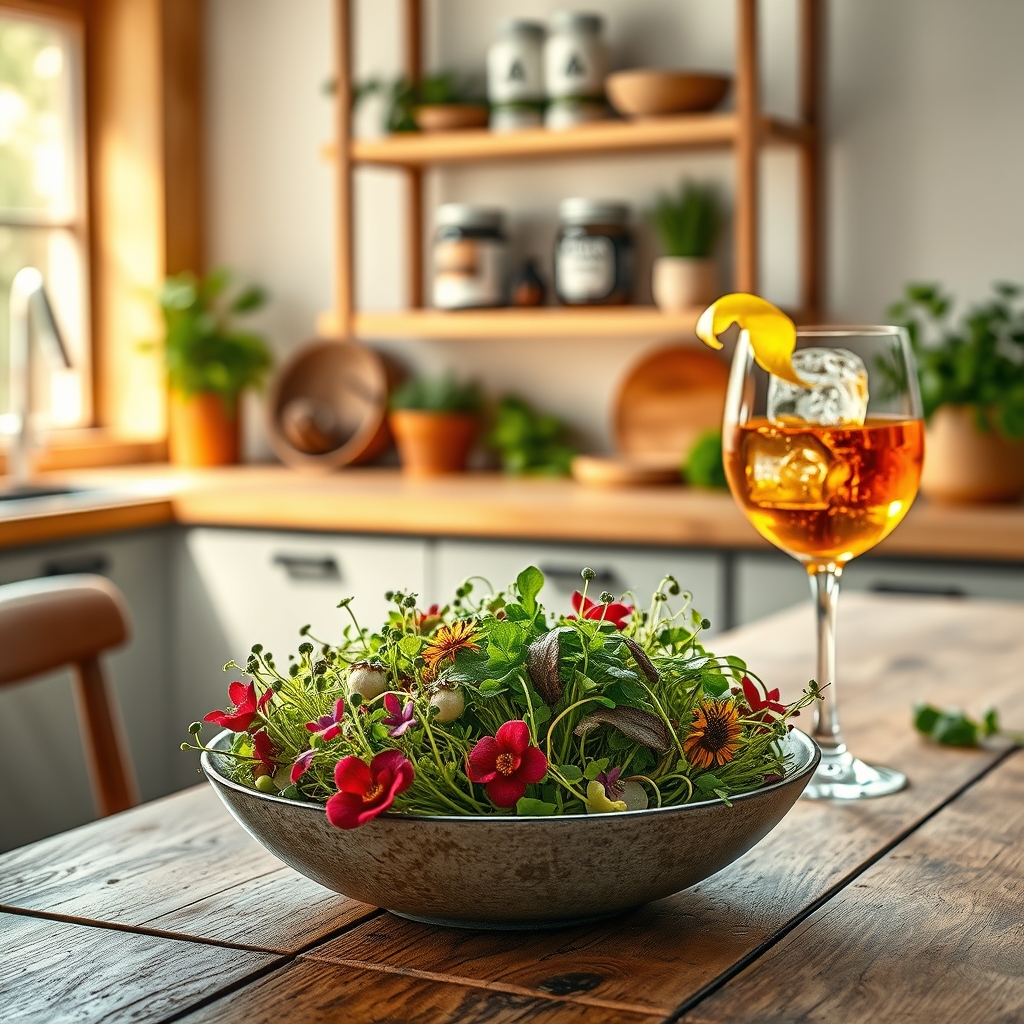
Imagine a world where every bite and sip not only delights the senses but also nourishes the planet and your body in equal measure. This isn’t a distant dream—it’s the vibrant reality unfolding in kitchens, cafes, and labs around the globe. At the heart of this culinary evolution are ingredients and innovations that challenge the status quo, offering flavors and experiences that are as bold as they are sustainable. From the delicate crunch of microgreens to the umami-rich depth of algae-based proteins, and the sophisticated allure of non-alcoholic spirits, the future of food and drink is being rewritten with creativity, intention, and a deep respect for the earth.
The Tiny Titans: Microgreens as the New Superfood
Microgreens, those tender, young seedlings of vegetables and herbs, have burst onto the scene as the darlings of the wellness and culinary worlds. Packed with up to 40 times more nutrients than their mature counterparts, these tiny titans are more than just a garnish—they’re a powerhouse of flavor and nutrition. A microgreens salad bowl isn’t just a meal; it’s a vibrant canvas of colors, textures, and tastes, where peppery radish microgreens dance with sweet pea shoots and earthy sunflower sprouts. Chefs and home cooks alike are embracing these miniature greens for their ability to elevate dishes with minimal effort, proving that great things truly do come in small packages.
But the appeal of microgreens goes beyond their nutritional profile. They’re a testament to the beauty of sustainable agriculture, requiring minimal space, water, and time to grow. Urban farms and vertical gardens are popping up in cities worldwide, turning rooftops and empty lots into lush, productive spaces. This accessibility means that microgreens aren’t just a trend for the elite—they’re a movement toward democratizing fresh, nutrient-dense food for all.
The Ocean’s Green Gold: Algae-Based Proteins
While microgreens are making waves on land, algae-based proteins are emerging as the ocean’s answer to sustainable nutrition. Spirulina, chlorella, and other algae varieties are being hailed as the next frontier in plant-based protein, offering a complete amino acid profile with a fraction of the environmental footprint of traditional protein sources. These aquatic powerhouses are not only rich in protein but also packed with vitamins, minerals, and antioxidants, making them a nutritional goldmine.
The versatility of algae-based proteins is what truly sets them apart. From smoothie boosts to plant-based burgers, algae is being incorporated into a wide range of products, offering a subtle, umami-rich flavor that enhances rather than overpowers. Companies are even experimenting with algae as a sustainable alternative to fish oil, creating omega-3 supplements that don’t rely on overfished oceans. As the demand for sustainable protein sources grows, algae is poised to become a staple in the pantries of the future.
The Sophistication of Sobriety: Non-Alcoholic Spirits
The rise of non-alcoholic spirits is redefining what it means to raise a glass. No longer are those who choose not to drink relegated to sugary sodas or bland mocktails. Today’s non-alcoholic spirits are complex, nuanced, and crafted with the same care and creativity as their alcoholic counterparts. Distilled from botanicals, spices, and herbs, these spirits offer a symphony of flavors—think smoky mezcal alternatives, citrusy gin substitutes, and rich, oak-aged whiskey-inspired elixirs.
The appeal of non-alcoholic spirits extends beyond those who abstain from alcohol. They’re becoming a staple for health-conscious consumers, designated drivers, and anyone looking to enjoy a night out without the next-day regrets. Bars and restaurants are taking notice, with many now offering sophisticated non-alcoholic cocktail menus that rival their traditional counterparts. The movement is not just about removing alcohol—it’s about elevating the entire drinking experience, proving that sobriety can be just as indulgent and exciting as any night on the town.
The Art of Mindful Mixology
At the forefront of this movement are mixologists who are pushing the boundaries of what a non-alcoholic drink can be. Techniques like fat-washing, infusion, and barrel-aging are being applied to non-alcoholic spirits, creating drinks that are layered, complex, and deeply satisfying. Ingredients like adaptogenic herbs, fermented probiotics, and even algae-based extracts are being used to craft beverages that not only taste incredible but also offer functional benefits. Imagine sipping on a cocktail that calms your nerves, boosts your immunity, or aids digestion—all without a drop of alcohol.
This shift is also fostering a culture of mindfulness around drinking. Non-alcoholic spirits encourage people to savor the moment, to appreciate the craftsmanship behind each sip, and to connect with others without the haze of intoxication. It’s a movement that celebrates the joy of socializing, the art of mixology, and the pleasure of a well-crafted drink—all while keeping a clear head and a happy heart.
The Fusion of Flavor and Function
What ties these innovations together is their shared commitment to flavor and function. Whether it’s the nutrient-dense crunch of microgreens, the sustainable protein punch of algae, or the sophisticated sips of non-alcoholic spirits, each of these trends is redefining what it means to eat and drink well. They’re not just about meeting dietary needs or following fleeting trends—they’re about creating experiences that are as enriching for the soul as they are for the body.
As these ingredients and ideas continue to evolve, they’re also fostering a deeper connection between people and their food. There’s a growing awareness of where ingredients come from, how they’re grown, and the impact they have on the planet. This consciousness is driving a shift toward more intentional eating and drinking, where every choice is an opportunity to support sustainability, health, and creativity.
The future of food and drink is luminous, filled with colors, flavors, and possibilities that were once unimaginable. It’s a world where a salad bowl can be a masterpiece, where a protein source can come from the ocean’s depths, and where a night out can be just as thrilling without the alcohol. This is more than a culinary revolution—it’s a celebration of what happens when innovation meets intention, and when every bite and sip is an opportunity to nourish the body, delight the senses, and honor the planet.