The Future of Home Cooking: How Efficient Kitchen Design and Immersive Culinary Education Are Redefining the Modern Culinary Space
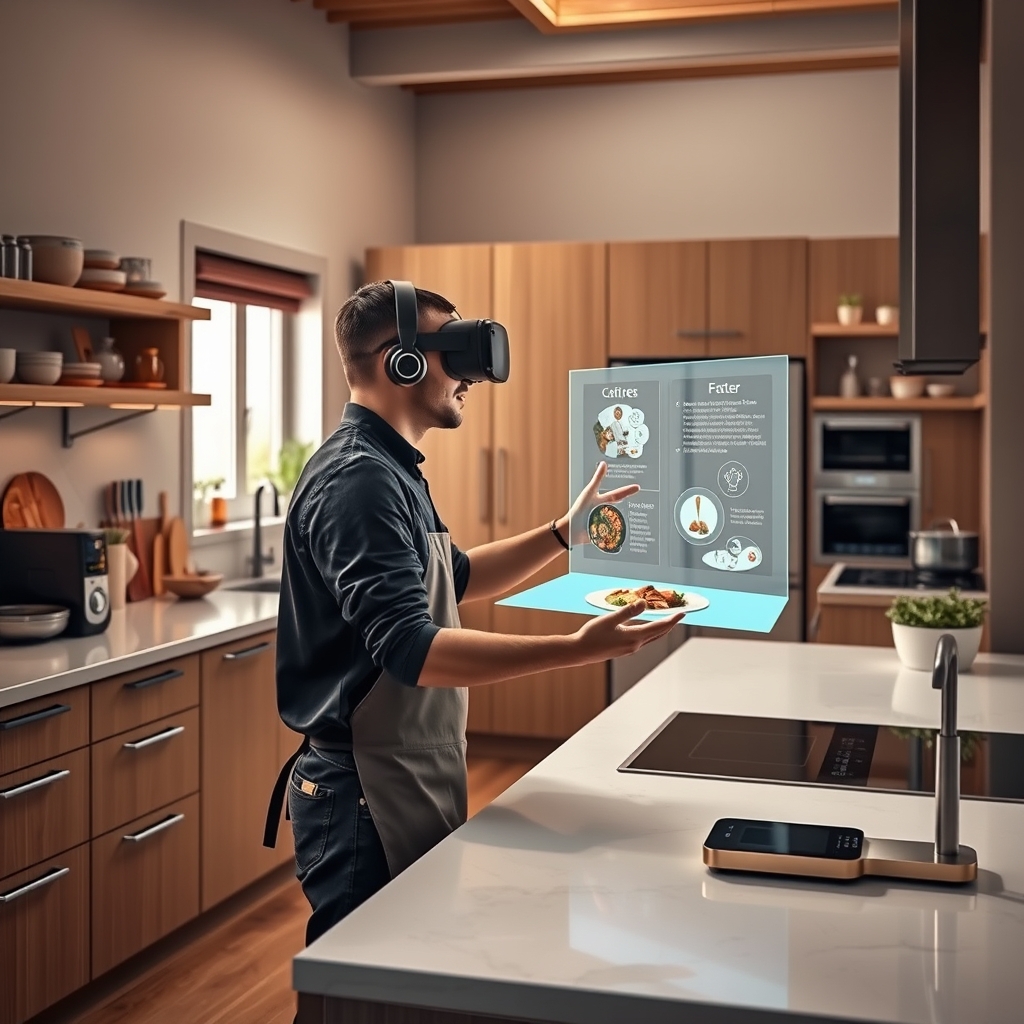
The modern kitchen is no longer just a place to prepare meals; it has evolved into a dynamic hub of creativity, learning, and innovation. As home cooks seek to elevate their culinary skills, the integration of efficient kitchen design and immersive culinary education is transforming the way we approach cooking. This shift is not just about aesthetics or convenience—it’s about creating an environment that fosters experimentation, precision, and a deeper connection to the food we create.
The Foundation: Efficient Kitchen Design
An efficient kitchen design is the backbone of a seamless cooking experience. It’s about more than just maximizing counter space or organizing utensils—it’s about creating a workflow that aligns with the natural rhythm of cooking. Thoughtful placement of appliances, ergonomic workstations, and intuitive storage solutions can significantly reduce the time and effort spent navigating the kitchen. For instance, the concept of the “work triangle”—positioning the sink, stove, and refrigerator in a triangular layout—has long been a staple of kitchen design, but modern adaptations take it further by incorporating smart technology and modular elements that adapt to the cook’s needs.
Innovations like pull-out pantries, under-counter appliances, and multi-functional islands are not just trends; they are solutions that cater to the demands of contemporary cooking. A well-designed kitchen minimizes distractions, allowing the cook to focus on the artistry of the process. When every tool and ingredient has its place, the kitchen becomes a space where creativity can flourish without the frustration of clutter or inefficiency.
Immersive Culinary Education: Learning Beyond the Recipe
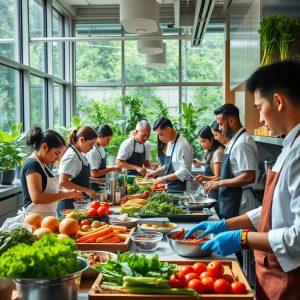
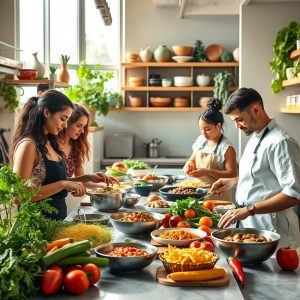
While a well-designed kitchen sets the stage, immersive culinary education is what truly empowers home cooks to push their boundaries. Traditional cooking classes and recipe books have their place, but the future of culinary learning lies in experiences that engage all the senses. Interactive kitchen workshops, virtual reality cooking simulations, and augmented reality ingredient guides are just a few examples of how technology is making culinary education more accessible and engaging.
Imagine donning a VR headset and stepping into a virtual kitchen where a world-renowned chef guides you through the intricacies of a complex dish. Or using an AR app that overlays step-by-step instructions onto your countertop, ensuring precision in every cut and measurement. These tools don’t just teach techniques—they create an environment where learning is hands-on, intuitive, and deeply personal. The result? A cook who doesn’t just follow recipes but understands the why behind each step, fostering a level of confidence and creativity that transcends the basics.
The Role of Sensory Techniques in Culinary Mastery
At the heart of immersive culinary education is the emphasis on sensory cooking techniques. Cooking is as much about taste and smell as it is about sight and touch. Professional chefs rely on their senses to gauge doneness, balance flavors, and adjust seasoning, and these skills can be cultivated by home cooks as well. Workshops that focus on sensory training—such as blind taste tests, aroma identification, or texture analysis—help cooks develop a more nuanced understanding of ingredients and their interactions.
For example, a workshop might challenge participants to identify spices by scent alone or to differentiate between varying levels of acidity in a dish. These exercises train the palate and sharpen culinary intuition, making it easier to improvise and innovate in the kitchen. When combined with efficient kitchen design, sensory techniques create a holistic cooking experience that is both efficient and deeply rewarding.
Tech-Assisted Precision: The Marriage of Tradition and Innovation
Technology has long been a part of the kitchen, but today’s tools are more sophisticated than ever. Tech-assisted precision cooking bridges the gap between traditional methods and modern innovation, allowing home cooks to achieve professional-level results with ease. Smart ovens that adjust temperature in real-time, precision scales that measure ingredients to the gram, and sous-vide machines that ensure perfect doneness every time are just a few examples of how technology is enhancing the cooking process.
These tools don’t replace skill—they amplify it. A cook who understands the principles of heat transfer, for instance, can use a smart oven to achieve the ideal sear on a steak without constant monitoring. Similarly, a precision scale ensures that baking recipes are executed flawlessly, reducing the margin for error. When paired with immersive education, tech-assisted precision empowers cooks to experiment with confidence, knowing that their tools will support their creativity rather than limit it.
Cultural Culinary Preservation: Honoring Tradition in a Modern World
As kitchens become more efficient and education more immersive, there’s a growing movement to preserve the cultural roots of cooking. Cultural culinary preservation is about more than just documenting recipes—it’s about understanding the history, techniques, and stories behind them. Interactive workshops that explore the culinary traditions of different cultures, or platforms that connect home cooks with elders and artisans, are helping to keep these traditions alive in a rapidly changing world.
For example, a workshop might focus on the art of making handmade pasta, not just as a cooking technique but as a cultural practice passed down through generations. Participants learn about the regional variations, the significance of certain ingredients, and the rituals that accompany the process. This kind of education fosters a deeper appreciation for food and its role in shaping identity and community. When combined with modern kitchen design and technology, cultural preservation becomes a way to honor the past while embracing the future.
Collaborative Recipe Development: The Power of Shared Knowledge
Cooking has always been a communal activity, and the rise of collaborative recipe development is bringing that spirit into the digital age. Online platforms and social media communities allow home cooks to share their creations, exchange tips, and refine recipes together. This collaborative approach democratizes culinary innovation, making it accessible to anyone with a passion for food.
Imagine a platform where cooks from around the world contribute to a single recipe, each adding their unique twist based on local ingredients or personal preferences. The result is a dish that is greater than the sum of its parts—a true reflection of the diversity and creativity of the global culinary community. When paired with immersive education and efficient kitchen design, collaborative recipe development becomes a powerful tool for culinary evolution.
The modern kitchen is a space of endless possibility, where efficiency, education, and innovation come together to redefine what it means to cook at home. It’s no longer just about feeding ourselves—it’s about exploring, learning, and connecting with food in ways that are as enriching as they are delicious. As technology and tradition continue to intertwine, the kitchen becomes not just a place to prepare meals, but a canvas for creativity, a classroom for lifelong learning, and a sanctuary for the senses. The future of home cooking is here, and it’s more exciting than ever.