
A Culinary Journey Through Indonesia: Exploring Iconic Dishes and Their Stories
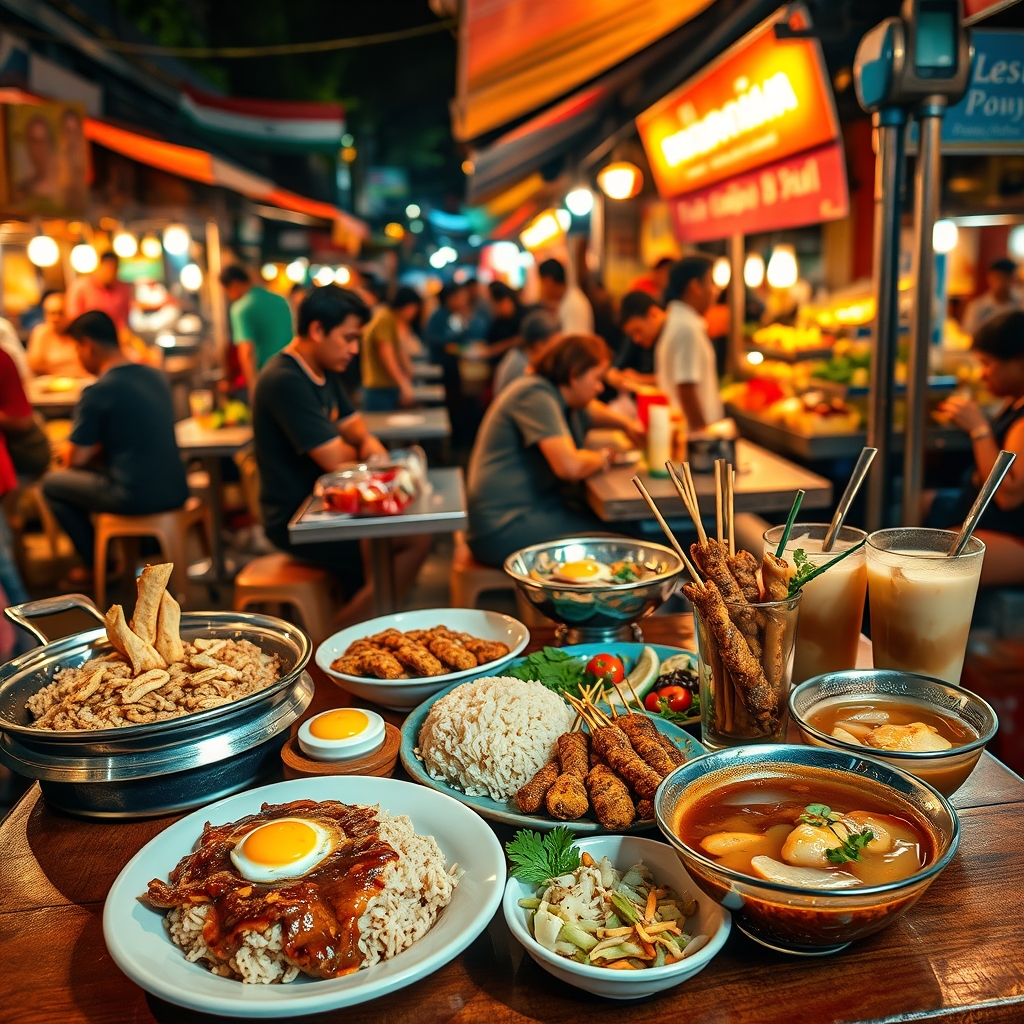
Indonesia, an archipelago of over 17,000 islands, is a melting pot of cultures, traditions, and flavors. Its culinary landscape is as diverse as its geography, offering a tantalizing array of dishes that reflect the country’s rich history and regional influences. From the bustling streets of Jakarta to the serene villages of Yogyakarta, Indonesian cuisine is a celebration of bold spices, fresh ingredients, and time-honored techniques. Let’s embark on a journey to explore some of the most iconic dishes that define Indonesia’s gastronomic heritage.
The Spice of Life: Nasi Goreng and Rendang Sapi
No exploration of Indonesian cuisine would be complete without mentioning Nasi Goreng, the beloved fried rice dish that has captured the hearts of food lovers worldwide. Often referred to as Indonesia’s national dish, Nasi Goreng is a symphony of flavors, combining fragrant rice stir-fried with sweet soy sauce, shallots, garlic, tamarind, and chili. The dish is typically garnished with a fried egg, crispy shallots, and prawn crackers, adding texture and depth to every bite. What makes Nasi Goreng truly special is its versatility—it can be enjoyed for breakfast, lunch, or dinner, and every region, household, and street vendor has their own unique twist on the recipe.
Equally iconic is Rendang Sapi, a slow-cooked beef dish that hails from the Minangkabau ethnic group of West Sumatra. Rendang is not just a dish; it’s a labor of love. The beef is simmered for hours in a rich coconut milk and spice paste until the liquid evaporates, leaving the meat tender, dark, and infused with layers of flavor. The spices—including lemongrass, galangal, turmeric, and chili—create a complex, aromatic profile that is both fiery and deeply comforting. In 2011, Rendang was crowned the world’s best food in a CNN poll, a testament to its global appeal and culinary mastery.
Street Food Delights: Sate Ayam and Bakso Sapi
Indonesian street food is a vibrant tapestry of flavors, and two dishes that stand out are Sate Ayam and Bakso Sapi. Sate Ayam, or chicken satay, is a skewered and grilled meat dish that is as visually appealing as it is delicious. The chicken is marinated in a blend of turmeric, coriander, and other spices, then grilled over an open flame until charred and juicy. Served with a side of peanut sauce, ketupat (compressed rice cakes), and a sprinkle of shallots, Sate Ayam is a staple at street food stalls and family gatherings alike. Its simplicity belies its depth of flavor, making it a favorite among locals and tourists.
On the other hand, Bakso Sapi is Indonesia’s answer to meatball soup, a comforting dish that warms the soul. Made from finely ground beef, Bakso is typically served in a clear, flavorful broth with noodles, tofu, and vegetables. The meatballs themselves are springy and tender, absorbing the savory broth with every spoonful. Bakso vendors can be found on nearly every street corner, their carts emitting the enticing aroma of simmering broth and spices. It’s a dish that embodies the spirit of Indonesian street food—affordable, delicious, and deeply satisfying.
A Taste of Tradition: Soto Ayam and Gado Gado
Soto Ayam, a fragrant chicken soup, is another dish that showcases Indonesia’s culinary diversity. Originating from Java, Soto Ayam is a hearty soup made with shredded chicken, rice noodles, and a rich broth infused with turmeric, lemongrass, and galangal. The dish is often garnished with fried shallots, celery, and lime, adding brightness and crunch. Each region in Indonesia has its own variation of Soto, with some versions including coconut milk or additional spices. It’s a dish that is as comforting as it is flavorful, perfect for a rainy day or a quick pick-me-up.
For those seeking a lighter option, Gado Gado is a refreshing salad that packs a punch. This dish features a medley of boiled vegetables, tofu, tempeh, and hard-boiled eggs, all smothered in a creamy peanut sauce. The sauce, made from ground peanuts, palm sugar, tamarind, and chili, is the star of the dish, balancing sweet, savory, and spicy flavors. Gado Gado is a testament to Indonesia’s love for bold, contrasting flavors and is a popular choice for vegetarians and meat-lovers alike.
Sweet Endings: Klepon Manis and Es Cendol
No culinary journey through Indonesia would be complete without indulging in its sweet treats. Klepon Manis is a beloved traditional snack made from glutinous rice flour filled with palm sugar and coated in grated coconut. When bitten into, the palm sugar filling oozes out, creating a delightful burst of sweetness. Klepon is often enjoyed as a snack or dessert, and its vibrant green color and chewy texture make it a favorite among children and adults alike.
Another iconic dessert is Es Cendol, a refreshing drink that is perfect for Indonesia’s tropical climate. Es Cendol features green rice flour jelly, coconut milk, and palm sugar syrup, creating a creamy, sweet, and slightly chewy concoction. Often served with shaved ice, Es Cendol is a popular street food dessert that offers a cooling respite from the heat. Its unique texture and flavor make it a must-try for anyone exploring Indonesian cuisine.
Regional Specialties: From Gudeg Jogja to Pempek Palembang
Indonesia’s regional specialties offer a glimpse into the country’s diverse culinary traditions. Gudeg Jogja, for example, is a dish that hails from Yogyakarta and is made from young jackfruit slow-cooked in coconut milk and palm sugar. The result is a sweet, tender, and slightly sticky dish that is often served with rice, chicken, and hard-boiled eggs. Gudeg is a dish that embodies the cultural heritage of Yogyakarta, a city known for its rich history and artistic traditions.
Meanwhile, Pempek Palembang is a specialty from South Sumatra that showcases the region’s love for fish. Pempek is a type of fish cake made from ground fish and tapioca flour, shaped into various forms and deep-fried until crispy. It is typically served with a tangy, sweet, and spicy vinegar-based sauce called cuko. Pempek is a dish that is deeply rooted in Palembang’s history, reflecting the city’s maritime culture and culinary ingenuity.
Indonesian cuisine is a celebration of diversity, creativity, and tradition. Each dish tells a story, whether it’s the fiery spices of Rendang, the comforting warmth of Soto Ayam, or the sweet indulgence of Klepon Manis. Exploring these iconic dishes is not just about satisfying your taste buds; it’s about immersing yourself in the culture, history, and spirit of Indonesia. As you savor each bite, you’re not just tasting food—you’re experiencing a piece of the country’s soul, one flavorful dish at a time.