
From Rome to Your Table: The Art of Crafting Authentic Italian Pasta
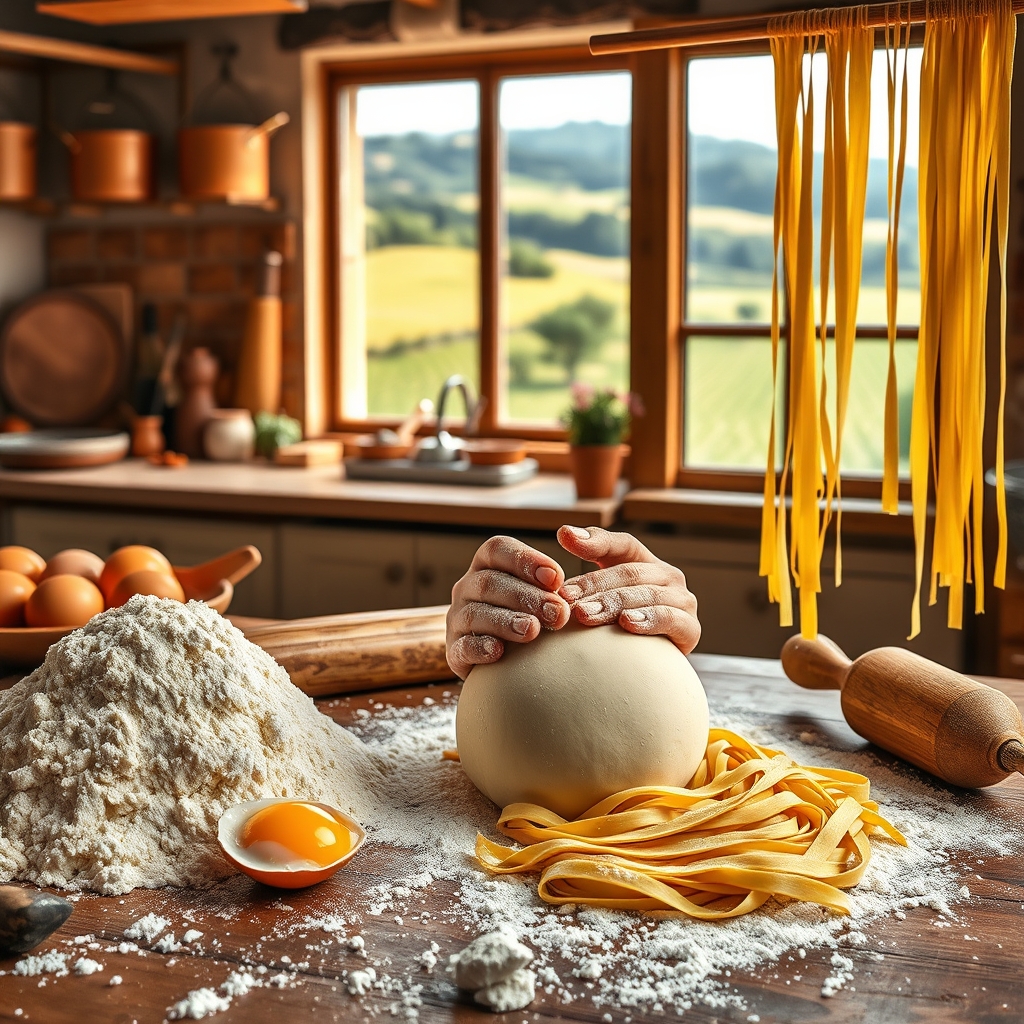
There’s something almost magical about Italian pasta—its ability to transform simple ingredients into a dish that feels both rustic and refined. It’s a culinary tradition that has traveled across centuries and regions, evolving into the beloved staple we know today. Whether it’s the silky strands of handmade tagliatelle or the rich, creamy embrace of a classic carbonara, pasta is more than just food; it’s a story of culture, craftsmanship, and connection.
The Roots of Italian Pasta: A Journey Through Time
The history of pasta is as layered as the dish itself. While many associate its origins with Italy, the truth is far more complex. Some historians trace pasta’s roots back to ancient China, where noodles made from millet or rice flour were a dietary staple. Others point to the Middle East, where early forms of dried pasta were developed as a way to preserve grains for long journeys. By the time pasta reached Italy, likely through trade routes during the Middle Ages, it had already undergone centuries of refinement.
In Italy, pasta found its true home. The country’s diverse climates and regional ingredients gave rise to an astonishing variety of shapes and styles. From the egg-rich pastas of Emilia-Romagna to the durum wheat semolina pastas of the south, each region developed its own signature techniques. The introduction of tomatoes from the Americas in the 16th century further revolutionized Italian pasta, leading to the iconic pairings we cherish today, like spaghetti al pomodoro or penne all’arrabbiata.
Regional Variations: A Taste of Italy’s Diversity
Italy’s culinary landscape is a patchwork of traditions, and pasta is no exception. In the north, where dairy and eggs are abundant, you’ll find rich, fresh pastas like tagliatelle, often paired with butter-based sauces or ragù. Emilia-Romagna, the heartland of Italian cuisine, is famous for its tortellini and lasagna, dishes that showcase the region’s love for slow-cooked meats and creamy béchamel.
Venture south, and the flavors shift dramatically. Here, dried pasta reigns supreme, made from durum wheat semolina that holds up beautifully to bold, tomato-based sauces. Sicily offers pasta alla Norma, a vibrant dish with eggplant, ricotta salata, and basil, while in Naples, spaghetti alle vongole highlights the region’s coastal bounty with clams, garlic, and white wine. Even the shapes tell a story—orecchiette from Puglia, meaning “little ears,” are perfectly designed to cradle bits of sausage or bitter greens.
The Art of Handmade Pasta: A Labor of Love
While store-bought pasta is convenient, there’s nothing quite like the texture and flavor of homemade dough. The process is surprisingly simple, requiring just a few ingredients: flour, eggs, and a pinch of salt. The magic lies in the technique—kneading the dough until it’s smooth and elastic, resting it to develop gluten, and rolling it out with precision. For those willing to take on the challenge, making pasta from scratch is a rewarding experience that connects you to generations of Italian nonnas.
Here’s a basic recipe to get you started:
Homemade Pasta Dough
Ingredients:
- 2 cups (250g) all-purpose flour, plus extra for dusting
- 3 large eggs, at room temperature
- 1/2 teaspoon salt
Instructions:
- On a clean work surface or in a large bowl, mound the flour and create a well in the center. Add the eggs and salt to the well.
- Using a fork, gradually incorporate the flour into the eggs until a shaggy dough forms. If the dough feels too dry, add a teaspoon of water; if it’s too sticky, add a bit more flour.
- Knead the dough by hand for about 8-10 minutes, until it becomes smooth and elastic. Wrap it in plastic wrap and let it rest at room temperature for at least 30 minutes.
- After resting, divide the dough into portions and roll it out using a pasta machine or a rolling pin. Cut into your desired shape—tagliatelle, fettuccine, or pappardelle—and cook immediately in boiling salted water for 2-3 minutes.
Pairing Pasta with Sauces: The Golden Rules
The secret to a perfect pasta dish lies in the pairing. The shape of the pasta should complement the sauce, ensuring every bite is balanced. Here are a few guidelines to keep in mind:
- Long, thin pastas like spaghetti or linguine work best with light, oil-based sauces or seafood. Think aglio e olio or spaghetti alle vongole.
- Tubular or ridged pastas like penne or rigatoni are ideal for chunky, meat-based sauces. The ridges and hollows trap the sauce, delivering flavor in every forkful.
- Fresh, egg-based pastas like tagliatelle or pappardelle pair beautifully with rich, creamy sauces or ragù. The delicate texture of the pasta allows the sauce to shine.
- Short, sturdy pastas like farfalle or fusilli are perfect for baked dishes or salads, where their shape holds up to additional ingredients.
One of the most iconic pasta dishes, carbonara, exemplifies the beauty of simplicity. Originating in Rome, this dish relies on just a handful of ingredients—eggs, Pecorino Romano, guanciale (cured pork cheek), and black pepper—to create a sauce that’s creamy, savory, and utterly irresistible. The key is to toss the cooked pasta with the raw eggs and cheese off the heat, allowing the residual warmth to create a silky, cohesive sauce without scrambling the eggs.
Bringing Italy to Your Kitchen
Crafting authentic Italian pasta at home is about more than just following a recipe; it’s about embracing a philosophy of cooking that values quality ingredients, patience, and passion. Whether you’re rolling out dough by hand or mastering the perfect al dente texture, each step is an opportunity to slow down and savor the process. The result isn’t just a meal—it’s a celebration of tradition, a nod to the generations of cooks who have perfected these techniques, and a reminder that the best dishes are often the simplest ones. So the next time you twirl a forkful of pasta, take a moment to appreciate the journey it’s taken, from the rolling hills of Italy to the warmth of your kitchen, where it’s ready to bring a little la dolce vita to your table.