
The Rise of Artisan Bakeries: Blending Tradition with Modern Flavors
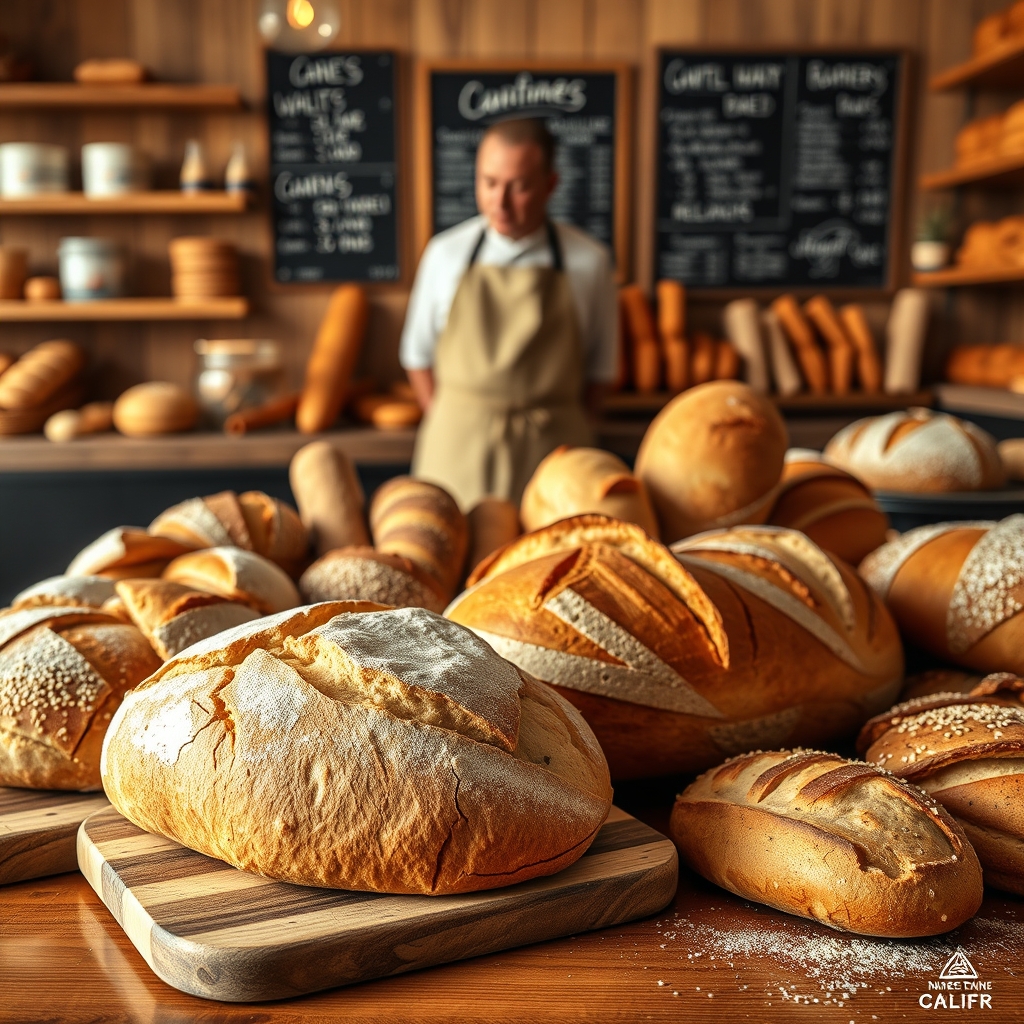
In recent years, the culinary world has witnessed a remarkable resurgence of artisan bakeries, where the age-old craft of bread-making meets contemporary creativity. These bakeries are not just about producing loaves; they are about reviving traditions, experimenting with flavors, and offering healthier alternatives to mass-produced bread. From the tangy notes of sourdough bread to the pillowy softness of Japanese milk bread, artisan bakeries are redefining what it means to enjoy a simple slice of bread.
The Art of Sourdough: A Timeless Tradition
Sourdough bread, with its distinctive tangy flavor and chewy texture, has been a staple in many cultures for centuries. What sets sourdough apart is its natural fermentation process, which relies on wild yeast and lactic acid bacteria. This method not only enhances the flavor but also makes the bread easier to digest. Artisan bakeries have embraced sourdough for its versatility and the depth of flavor it brings. Whether it’s a classic sourdough loaf or a creative twist like sourdough with herbs and cheese, this bread has become a symbol of the artisan bakery movement.
One of the most appealing aspects of sourdough is its connection to tradition. Many artisan bakers use starters that have been passed down through generations, adding a sense of history and authenticity to each loaf. This commitment to tradition, combined with modern techniques, has made sourdough a favorite among bread enthusiasts and health-conscious consumers alike.
Japanese Milk Bread: The Epitome of Softness
If sourdough is the king of tangy, rustic bread, then Japanese milk bread is the queen of soft, fluffy perfection. Known for its cloud-like texture and slightly sweet flavor, Japanese milk bread has gained a cult following worldwide. The secret to its softness lies in the tangzhong method, a pre-gelatinization technique that involves cooking a portion of the flour and liquid into a roux before adding it to the dough. This process retains moisture, resulting in a bread that stays fresh and soft for days.
Artisan bakeries have taken Japanese milk bread to new heights by incorporating local flavors and ingredients. Imagine a loaf infused with pandan extract, filled with red bean paste, or even topped with mentai (spicy cod roe) for a savory twist. These innovative variations have made Japanese milk bread a versatile canvas for culinary creativity, appealing to both traditionalists and adventurous foodies.
Whole Wheat and Health-Conscious Choices
As consumers become more health-conscious, artisan bakeries have responded by offering whole wheat and nutrient-rich alternatives. Whole wheat bread, in particular, has seen a surge in popularity due to its higher fiber content and nutritional benefits. Unlike mass-produced whole wheat bread, which can often be dense and dry, artisan versions are crafted to be flavorful and moist, making them a delightful addition to any meal.
Many bakeries are also experimenting with ancient grains like spelt, rye, and einkorn, which offer unique flavors and textures. These grains are not only nutritious but also add a rustic charm to the bread. For those with dietary restrictions, gluten-free and vegan options are becoming more widely available, ensuring that everyone can enjoy the art of bread-making.
The Fusion of Cultures: Global Influences in Artisan Bakery
One of the most exciting trends in artisan bakeries is the fusion of global flavors. Bakers are drawing inspiration from street food, traditional snacks, and viral desserts to create unique and Instagram-worthy treats. For example, Korean barbecue-inspired buns filled with spicy chicken or bulgogi beef have become a hit in many cities. Similarly, mentai rice, a Japanese dish featuring spicy cod roe, has found its way into bread fillings, adding a burst of umami and heat.
Traditional Indonesian snacks like klepon (sweet rice cake balls filled with palm sugar) and onde-onde (sesame-coated glutinous rice balls) are also being reimagined in bakery form. These snacks, often enjoyed as street food, are now being incorporated into pastries and desserts, offering a taste of Indonesian culture to a global audience. The fusion of these flavors not only celebrates diversity but also creates a sense of connection through food.
From Homemade to Artisan: The Personal Touch
What sets artisan bakeries apart from commercial ones is the personal touch. Many of these bakeries start as small, homemade operations, where the baker’s passion and creativity shine through in every loaf. The attention to detail, from hand-kneading the dough to carefully monitoring the fermentation process, ensures that each product is of the highest quality. This dedication to craftsmanship is what makes artisan bread so special.
Moreover, artisan bakeries often prioritize sustainability and ethical sourcing. Many use locally sourced ingredients, reducing their carbon footprint and supporting local farmers. This commitment to sustainability resonates with consumers who are increasingly mindful of where their food comes from and how it is produced.
The rise of artisan bakeries is more than just a trend; it is a celebration of craftsmanship, tradition, and innovation. These bakeries are not just places to buy bread; they are hubs of creativity where old-world techniques meet modern flavors. Whether you’re a fan of the tangy bite of sourdough, the softness of Japanese milk bread, or the health benefits of whole wheat, there’s an artisan bakery out there that caters to your tastes. As the movement continues to grow, it reminds us that food is not just sustenance but an art form that brings people together, one loaf at a time.