
Sushi 101: A Beginner’s Guide to Japanese Sushi and Its Cultural Significance
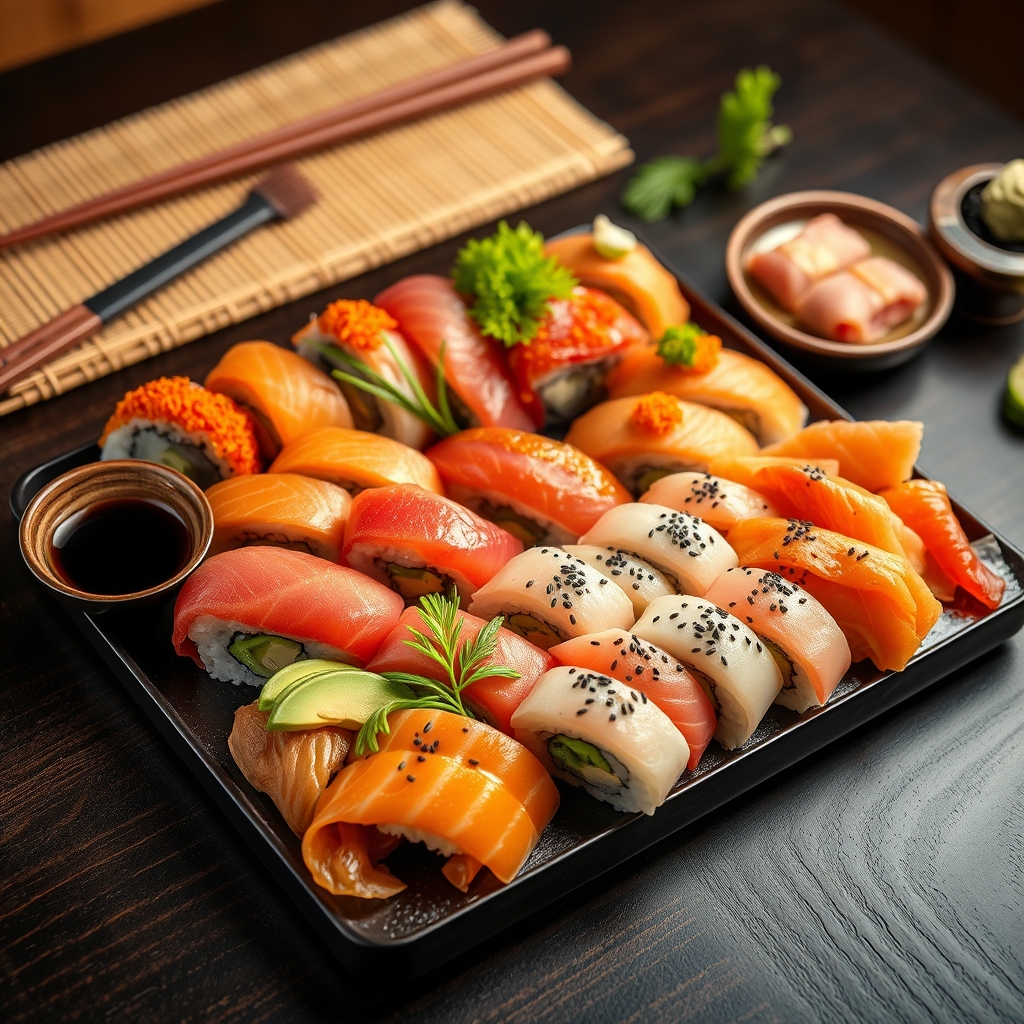
Sushi is more than just a dish—it’s a culinary art form that embodies the precision, tradition, and harmony of Japanese culture. For beginners, the world of sushi can feel overwhelming, with its array of types, techniques, and etiquette. But fear not: this guide will demystify sushi, breaking down its essentials, exploring its cultural roots, and even walking you through a simple recipe to try at home.
The Origins and Cultural Significance of Sushi
Sushi’s history stretches back over a thousand years, originating in Southeast Asia as a method of preserving fish in fermented rice. This early form, known as narezushi, was introduced to Japan around the 8th century. Over time, the fermentation process shortened, and by the Edo period (1603–1868), hayazushi—a style where rice was mixed with vinegar and eaten immediately—became popular. This evolution laid the foundation for the sushi we know today.
In Japan, sushi is not just food; it’s a reflection of craftsmanship and respect for ingredients. The role of the itamae (sushi chef) is highly revered, with apprentices often training for years to perfect their skills. Sushi also plays a central role in celebrations, from birthdays to New Year’s feasts, symbolizing good fortune and prosperity. Understanding this cultural context deepens the appreciation for every bite.
Key Ingredients: The Building Blocks of Sushi
At its core, sushi is a simple dish, but its magic lies in the quality and balance of its ingredients. Here are the essentials:
Sushi Rice (Shari or Sumeshi)
The heart of sushi, this short-grain rice is seasoned with a blend of rice vinegar, sugar, and salt. The grains should be sticky yet distinct, with a subtle sweetness that complements the fish. The texture is crucial—overcooking or under-seasoning can make or break a sushi roll.
Nori (Seaweed Sheets)
Dried and toasted sheets of seaweed, nori provides the structure for maki rolls. High-quality nori is dark green, crisp, and slightly shiny. It adds a briny, umami-rich flavor that balances the rice and fish. For beginners, pre-toasted nori is easier to work with than raw sheets.
Fresh Fish and Seafood
Sushi-grade fish must be impeccably fresh, often flash-frozen to kill parasites while preserving texture. Common varieties include maguro (tuna), sake (salmon), hamachi (yellowtail), and ebi (shrimp). For vegetarians, options like cucumber, avocado, or pickled daikon radish offer delicious alternatives.
Condiments and Garnishes
Soy sauce, wasabi, and pickled ginger (gari) are the classic accompaniments. Soy sauce adds saltiness, wasabi brings heat, and ginger cleanses the palate between bites. Other garnishes like sesame seeds, tobiko (flying fish roe), or scallions can elevate the flavor and presentation.
Types of Sushi: A Beginner’s Breakdown
Sushi comes in many forms, each with its own preparation method and regional flair. Here are the most common types you’ll encounter:
Nigiri
Perhaps the most iconic sushi style, nigiri consists of a small mound of sushi rice topped with a slice of fish or seafood. Sometimes, a thin strip of nori is used to bind the topping to the rice. Nigiri highlights the natural flavors of the fish, making it a favorite among purists. Popular varieties include tamago (sweet egg omelet) and uni (sea urchin).
Maki
Maki rolls are cylindrical sushi wrapped in nori, with rice and fillings inside. They’re sliced into bite-sized pieces and are perfect for beginners. Common types include:
- Hosomaki: Thin rolls with a single filling, like cucumber (kappa maki) or tuna (tekka maki).
- Futomaki: Thick rolls with multiple fillings, such as the California roll (crab, avocado, cucumber).
- Uramaki: Inside-out rolls where the rice is on the outside, often seen in Western-style sushi.
Sashimi
While not technically sushi (since it lacks rice), sashimi is often served alongside sushi. It consists of thinly sliced raw fish or seafood, served with soy sauce and wasabi. Sashimi showcases the purity of the fish, making it a must-try for seafood lovers.
Temaki (Hand Rolls)
Cone-shaped rolls made by wrapping nori around rice and fillings. Temaki are eaten by hand, making them a fun and interactive option for beginners. They’re often filled with ingredients like spicy tuna, crab, or avocado.
Regional Specialties
Japan’s diverse regions have their own sushi traditions. In Osaka, battera (pressed mackerel sushi) is a local favorite, while in Tokyo, edomae sushi—a style emphasizing fresh, local fish—dominates. Hokkaido is famous for its ikura (salmon roe) sushi, and in Kyoto, saba sushi (mackerel) is a delicacy. Exploring these variations offers a deeper dive into Japan’s culinary landscape.
Beginner-Friendly Recipe: Homemade Sushi Rolls
Ready to try making sushi at home? This simple recipe for California rolls is perfect for beginners. You’ll need:
- 1 cup sushi rice
- 2 cups water
- 2 tbsp rice vinegar
- 1 tbsp sugar
- 1 tsp salt
- 4 sheets nori
- 1 avocado, sliced
- ½ cucumber, julienned
- 4 oz imitation crab sticks (or real crab if available)
- Sesame seeds (optional)
- Soy sauce, wasabi, and pickled ginger for serving
Instructions
- Prepare the rice: Rinse the sushi rice under cold water until the water runs clear. Cook the rice in a rice cooker or pot with water, then let it sit covered for 10 minutes. Mix the rice vinegar, sugar, and salt, then gently fold into the rice. Let it cool to room temperature.
- Assemble the fillings: Slice the avocado, cucumber, and crab into thin strips. If using real crab, shred it lightly.
- Roll the sushi: Place a sheet of nori on a bamboo sushi mat (makisu), shiny side down. Wet your hands to prevent sticking, then spread a thin layer of rice over the nori, leaving a 1-inch border at the top. Arrange the fillings in a line across the rice. Lift the edge of the mat and roll tightly, pressing gently as you go. Seal the edge with a bit of water.
- Slice and serve: Use a sharp, wet knife to slice the roll into 6–8 pieces. Garnish with sesame seeds if desired. Serve with soy sauce, wasabi, and pickled ginger.
Making sushi at home is a rewarding experience, even if your first attempts aren’t perfect. The key is to have fun and experiment with flavors and textures. As you gain confidence, you can try more advanced techniques, like shaping nigiri or crafting intricate rolls.
Sushi is a journey—one that invites you to explore the delicate balance of flavors, the artistry of presentation, and the rich traditions behind every piece. Whether you’re enjoying it at a high-end restaurant or rolling your own in the kitchen, sushi offers a connection to Japanese culture that’s as profound as it is delicious. The next time you take a bite, remember that you’re not just tasting food; you’re savoring centuries of history, skill, and passion.