The Alchemy of Modern Snacking: How Freeze-Dried Candy, Upcycled Treats, and High-Protein Innovations Are Redefining Guilt-Free Pleasure
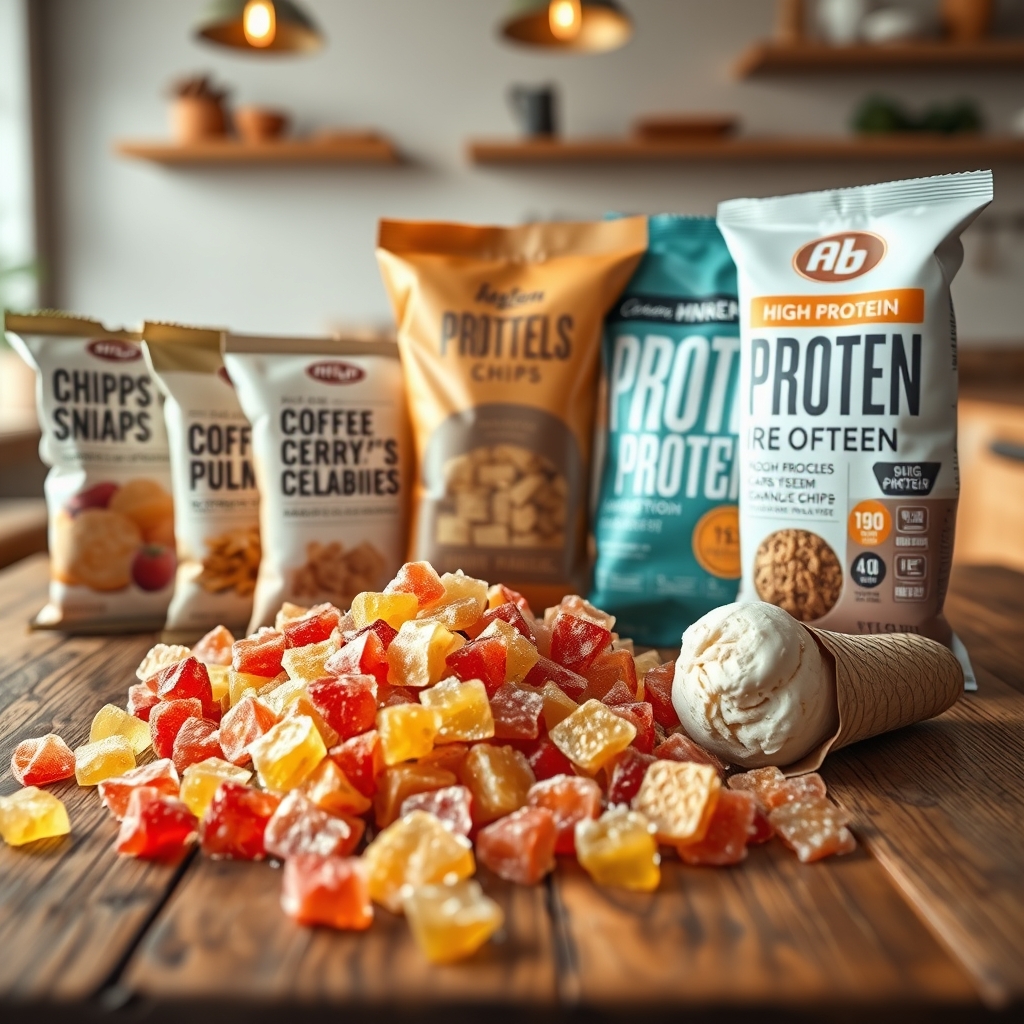
The world of snacking is undergoing a quiet revolution, one where indulgence and innovation collide to create experiences that are as nourishing as they are delightful. No longer confined to the realm of empty calories and fleeting satisfaction, modern snacks are evolving into something far more sophisticated—offering bold flavors, functional benefits, and a commitment to sustainability that resonates with today’s conscious consumers. At the heart of this transformation are three standout trends: freeze-dried candy, upcycled food snacks, and high-protein innovations, each redefining what it means to snack smartly.
The Magic of Freeze-Dried Candy
Imagine biting into a piece of candy that explodes with flavor, its texture light as air yet intensely concentrated. Freeze-dried candy is turning this fantasy into reality, offering a sensory experience that feels almost otherworldly. The process involves freezing the candy and then placing it in a vacuum, where the ice sublimates directly into vapor, leaving behind a crisp, porous structure that melts in your mouth. The result? A burst of flavor that’s more vibrant than its traditional counterpart, with none of the stickiness or artificial aftertaste.
Brands are pushing the boundaries of this technology, experimenting with everything from freeze-dried gummy bears to chocolate-covered fruits. The appeal lies not just in the novelty but in the purity of the experience. Without added preservatives or excess sugar, freeze-dried candy offers a guilt-free way to satisfy sweet cravings. It’s a testament to how modern food science can elevate even the simplest pleasures, turning a childhood favorite into a gourmet treat.
The Rise of Upcycled Food Snacks
In a world where food waste is a growing concern, upcycled snacks are emerging as a delicious solution to a global problem. These innovative treats are made from ingredients that would otherwise be discarded—think spent grain from breweries, fruit pulp from juice production, or vegetable scraps from processing plants. By transforming these byproducts into flavorful, nutrient-dense snacks, brands are not only reducing waste but also creating entirely new categories of food.
Take, for example, chips made from imperfect vegetables or granola bars crafted from coffee cherry pulp. These snacks don’t just taste good; they tell a story of sustainability and resourcefulness. They challenge the notion that waste is inevitable, proving that with a little creativity, even the most overlooked ingredients can become the star of the show. For consumers, upcycled snacks offer a way to align their values with their cravings, making every bite feel like a small victory for the planet.
From Waste to Wonder: The Science Behind Upcycling
The process of upcycling food is as much about science as it is about sustainability. It begins with identifying byproducts that are rich in nutrients but often overlooked. For instance, the peels of fruits and vegetables are packed with fiber and antioxidants, while spent grains from beer production are high in protein and fiber. The challenge lies in transforming these ingredients into something that’s not only edible but also delicious.
This is where food scientists and chefs come into play, experimenting with techniques like fermentation, dehydration, and extrusion to unlock new flavors and textures. The result is a new generation of snacks that are as innovative as they are responsible. Brands like ReGrained and Barnana have already made waves in this space, proving that upcycled snacks can hold their own against traditional options in both taste and appeal.
The High-Protein Revolution
Protein has long been the darling of the health food world, but its presence in the snack aisle has traditionally been limited to bars and shakes. That’s changing rapidly, as brands reimagine what a high-protein snack can be. From ice cream to chips, the market is flooded with options that pack a protein punch without sacrificing flavor or texture. This shift is driven by a growing demand for snacks that do more than just fill a void—they need to fuel the body, satisfy cravings, and fit seamlessly into busy lifestyles.
High-protein ice cream, for example, has become a game-changer for those who refuse to compromise on taste or nutrition. Made with ingredients like pea protein, collagen, or even cricket flour, these frozen treats offer a creamy, indulgent experience with a fraction of the sugar and calories of traditional ice cream. Similarly, protein-packed chips and crackers are giving snackers a way to enjoy crunchy, savory flavors while meeting their dietary goals. The message is clear: protein isn’t just for post-workout shakes anymore—it’s for anyone who wants to snack smarter.
The Future of Protein: Beyond the Basics
As the high-protein trend continues to evolve, so too do the sources of this essential nutrient. While whey and soy have long dominated the market, newer options like algae-based proteins, insect flour, and even lab-grown meat are making their way into snacks. These alternatives not only offer unique nutritional profiles but also address concerns about sustainability and ethical sourcing.
Algae-based proteins, for instance, are rich in omega-3 fatty acids and require minimal resources to produce, making them an eco-friendly choice. Insect flour, on the other hand, is packed with protein and has a low environmental footprint, though it may take some getting used to for Western palates. As these ingredients become more mainstream, they’re opening up new possibilities for snacks that are as innovative as they are nutritious.
The Intersection of Flavor and Function
What ties these trends together is a shared commitment to redefining what it means to snack well. Whether it’s the ethereal crunch of freeze-dried candy, the resourceful ingenuity of upcycled treats, or the protein-packed punch of modern innovations, today’s snacks are designed to do more than just satisfy hunger. They’re about enhancing well-being, reducing waste, and pushing the boundaries of what food can be.
This evolution reflects a broader shift in how we think about food—not just as fuel, but as an experience. It’s about finding joy in the little things, whether that’s the burst of flavor from a freeze-dried strawberry or the knowledge that the snack in your hand was made from ingredients that would have otherwise gone to waste. As these trends continue to gain momentum, they’re not just changing the way we snack; they’re changing the way we think about food itself, one delicious bite at a time.
The next time you reach for a snack, consider what it represents. Is it just a quick fix, or is it a small step toward a more thoughtful, flavorful, and sustainable way of eating? The choice is yours, and the options have never been more exciting.