The Future of Home Cooking: How Experiential Gastronomy and Adaptive Workflows Are Redefining Culinary Creativity
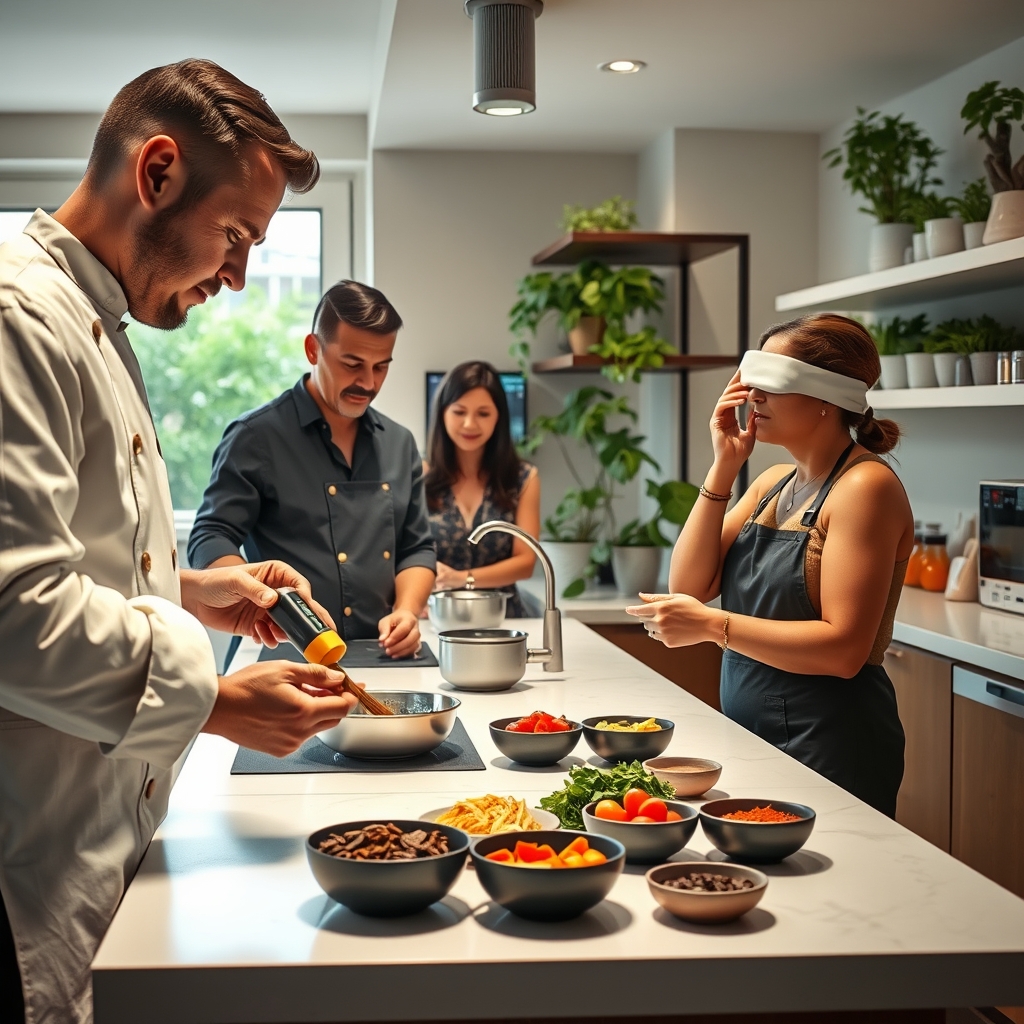
The modern home kitchen is no longer just a place to prepare meals—it’s a dynamic laboratory where science, art, and technology converge to create unforgettable culinary experiences. As home cooks seek deeper connections with their food, experiential gastronomy methods and adaptive cooking workflows are emerging as powerful tools to elevate everyday cooking into something extraordinary. These approaches don’t just focus on the end result; they transform the entire process into an engaging, sensory-rich journey.
The Rise of Experiential Gastronomy in Home Kitchens
Experiential gastronomy is more than a trend—it’s a philosophy that emphasizes the multisensory aspects of cooking and eating. By engaging sight, sound, touch, smell, and taste, home cooks can create dishes that are not only delicious but also deeply memorable. Techniques like sensory cooking encourage chefs to slow down, observe, and interact with ingredients in ways that go beyond traditional recipes. For example, the sound of sizzling garlic, the aroma of freshly toasted spices, or the texture of hand-kneaded dough can all become integral parts of the cooking experience.
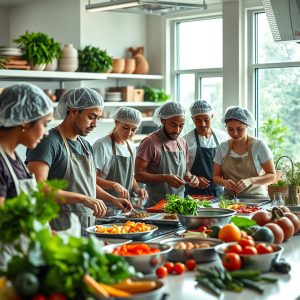
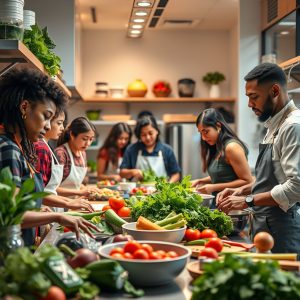
This approach is particularly valuable in immersive culinary education, where hands-on learning replaces passive instruction. Interactive kitchen workshops, for instance, allow participants to explore ingredients through guided tastings, texture comparisons, and even blindfolded flavor experiments. These methods don’t just teach techniques—they foster a deeper appreciation for the nuances of food, making cooking a more intuitive and rewarding process.
Adaptive Workflows: Cooking with Flexibility and Precision
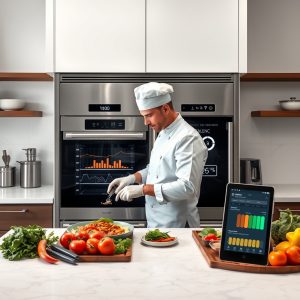
While experiential gastronomy focuses on the sensory and emotional aspects of cooking, adaptive cooking workflows bring structure and efficiency to the process. These workflows are designed to be flexible, allowing home cooks to adjust techniques, ingredients, and timelines based on real-time feedback. For example, a cook might use tech-assisted precision cooking tools like smart thermometers or sous-vide machines to ensure perfect doneness, while simultaneously adapting the recipe based on the freshness of ingredients or the preferences of diners.
Adaptive workflows also encourage collaborative recipe development, where cooks share insights, troubleshoot challenges, and refine techniques together. Online platforms and cooking communities have made it easier than ever to exchange ideas, whether it’s swapping substitutions for dietary restrictions or experimenting with creative ingredient pairing. This collaborative spirit not only enhances creativity but also builds confidence, as cooks learn to trust their instincts and adapt to unexpected variables.
Bridging Tradition and Innovation
One of the most exciting aspects of modern home cooking is the way it blends time-honored traditions with cutting-edge innovation. Cultural culinary preservation plays a key role here, as cooks seek to honor heritage recipes while incorporating new techniques. For example, a traditional family dish might be reimagined using sustainable ingredient sourcing or tech-assisted precision cooking to reduce waste and enhance flavor. This fusion of old and new ensures that culinary traditions remain vibrant and relevant in today’s fast-paced world.
At the same time, mindful food preparation is gaining traction as a way to reconnect with the origins of food. Practices like foraging, fermenting, or even growing herbs at home encourage a slower, more intentional approach to cooking. These methods not only improve the quality of meals but also foster a sense of gratitude and responsibility toward the ingredients we use.
The Role of Technology in Modern Cooking
Technology is no longer a novelty in the kitchen—it’s an essential tool for enhancing creativity and precision. Real-time cooking analytics provided by smart appliances can track cooking times, temperatures, and even nutritional content, giving cooks unprecedented control over their dishes. Meanwhile, data-driven nutrition tracking helps individuals tailor meals to their specific dietary needs, whether they’re managing allergies, optimizing performance, or simply seeking a balanced diet.
Yet, technology is most powerful when it complements, rather than replaces, human intuition. The best cooks use tools like personalized flavor profiling apps or interactive kitchen workshops to expand their skills, not to automate the process entirely. After all, the joy of cooking lies in the hands-on experience—the sizzle of a pan, the aroma of spices, the satisfaction of a perfectly balanced dish.
Designing the Kitchen of the Future
As cooking evolves, so too does the space where it happens. Efficient kitchen design is no longer just about aesthetics; it’s about creating an environment that supports creativity, efficiency, and sustainability. Modular layouts, ergonomic tools, and smart storage solutions can streamline workflows, while energy-efficient appliances reduce waste and environmental impact. Even small changes, like organizing ingredients by frequency of use or incorporating vertical gardening for fresh herbs, can make a big difference in how we cook.
For those looking to optimize their home kitchens, the key is to prioritize flexibility. Adaptable spaces that can accommodate everything from quick weeknight meals to elaborate weekend experiments ensure that the kitchen remains a hub of creativity. Whether it’s a dedicated station for sensory cooking techniques or a digital display for real-time cooking analytics, the kitchen of the future is one that grows and evolves with the cook.
The transformation of home cooking is a testament to the endless possibilities that arise when creativity, technology, and tradition intersect. By embracing experiential gastronomy and adaptive workflows, home cooks can turn everyday meals into extraordinary experiences. Whether it’s through the careful selection of sustainable ingredients, the precision of tech-assisted tools, or the joy of collaborative recipe development, the modern kitchen is a place where innovation thrives. As we continue to explore new ways to connect with food, one thing is clear: the future of cooking is not just about what we eat, but how we experience it—one sensory-rich, mindful bite at a time.