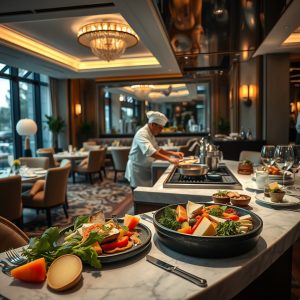
The Art of Culinary Curation: How Luxury Hotels Are Crafting Bespoke Dining Experiences with Hyper-Local and Global Fusion Flair
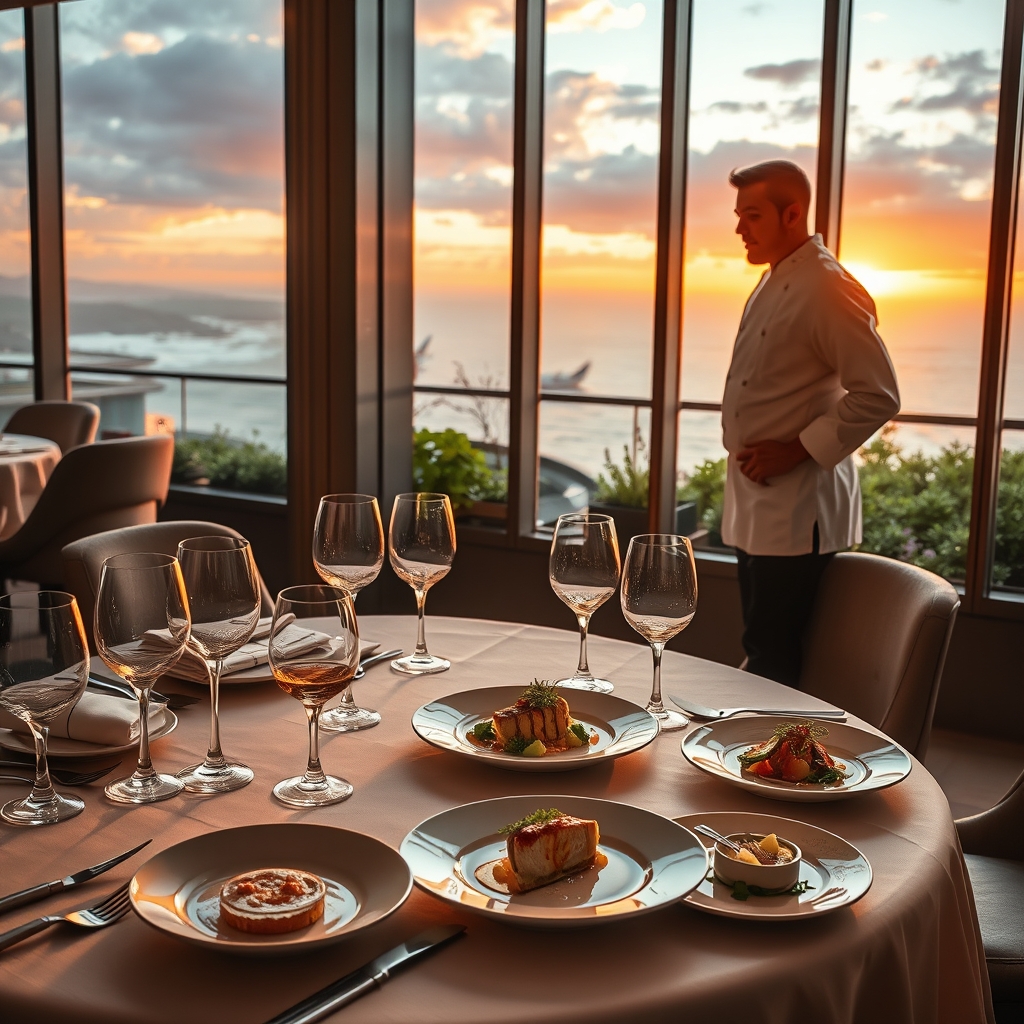
In the ever-evolving world of luxury hospitality, dining has transcended mere sustenance to become an art form—a symphony of flavors, textures, and narratives that captivate the senses and elevate the guest experience. Today’s discerning travelers seek more than just a meal; they crave an immersive journey that reflects the essence of their destination while pushing the boundaries of culinary innovation. At the heart of this transformation lies a delicate balance between hyper-local authenticity and global fusion, where chefs act as curators, weaving together the finest ingredients, techniques, and cultural influences to create unforgettable dining experiences.
The Rise of Hyper-Local Curation
The farm-to-table movement has long been a cornerstone of gourmet dining, but luxury hotels are taking it a step further by embracing hyper-local curation. This approach goes beyond sourcing ingredients from nearby farms; it involves forging deep relationships with local producers, fishermen, and artisans to craft menus that tell a story. Imagine dining on heirloom tomatoes grown in the hotel’s rooftop garden, paired with olive oil pressed from trees just miles away, or savoring line-caught sea bass served with seaweed harvested from the coastline visible from your table. These dishes don’t just nourish the body—they nourish the soul by connecting guests to the land and its people.
Boutique hotels, in particular, have mastered the art of hyper-local curation, often collaborating with regional experts to create menus that are as unique as the properties themselves. A seaside retreat in Portugal might feature a tasting menu built around percebes (gooseneck barnacles) and sardines, while a mountain lodge in the Swiss Alps could offer a multi-course experience centered on alpine cheeses and foraged mushrooms. The result is a dining experience that feels both deeply personal and intrinsically tied to its surroundings.
The Role of the Modern Chef as Curator
In this new era of luxury dining, the role of the chef has evolved from mere cook to storyteller and curator. Chefs are no longer confined to the kitchen; they are explorers, venturing into local markets, farms, and even forests to uncover hidden culinary gems. Their menus become a canvas, where each ingredient is carefully selected not just for its flavor but for the narrative it carries. A dish might feature a rare spice brought by traders centuries ago or a forgotten grain revived by a local farmer, each element contributing to a larger story of place and tradition.
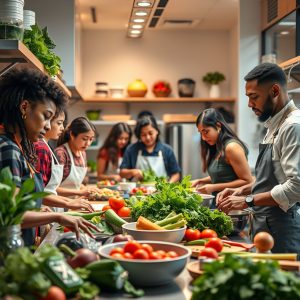
This curatorial approach extends beyond the plate. Many luxury hotels now offer immersive dining experiences that engage all the senses. Guests might be invited to a private farm to pick ingredients for their meal, or they could participate in a cooking class led by the chef, learning the techniques behind the dishes they’ll later enjoy. These experiences transform dining from a passive activity into an active, memorable journey.
The Fusion of Global and Local
While hyper-local curation grounds a dining experience in authenticity, the fusion of global influences adds an element of surprise and excitement. Luxury hotels are increasingly blending traditional techniques and ingredients with international flavors, creating dishes that are both familiar and unexpected. A Japanese kaiseki-inspired tasting menu might feature local seafood prepared with French techniques, or a classic Italian risotto could be reimagined with spices from the Silk Road. This fusion of global and local not only showcases the chef’s creativity but also reflects the interconnected world we live in.
One of the most compelling examples of this trend is the rise of destination restaurants within hotels. These dining venues are designed to transport guests to a different part of the world, offering a taste of a foreign culture without ever leaving the property. A hotel in Dubai might feature a restaurant serving modern interpretations of Levantine cuisine, while a property in New York could offer a menu inspired by the flavors of Southeast Asia. The key to success lies in striking the right balance—honoring the authenticity of the cuisine while adapting it to local tastes and ingredients.
The Evolution of Tasting Menus
Tasting menus have long been a hallmark of fine dining, but today’s iterations are more dynamic and personalized than ever before. Chefs are moving away from rigid, pre-set menus in favor of flexible, seasonal offerings that can be tailored to individual preferences. A guest might begin their meal with a selection of hyper-local canapés, followed by a series of small plates that showcase the best of the region’s produce, culminating in a dessert that incorporates global flavors in unexpected ways.
Sustainability is also playing a larger role in the evolution of tasting menus. Many luxury hotels are adopting a zero-waste philosophy, where every part of an ingredient is used to create something delicious. A dish might feature carrot tops as a garnish, or leftover bread could be transformed into a crispy accompaniment. This commitment to sustainability not only reduces waste but also adds a layer of creativity to the dining experience, challenging chefs to think outside the box.
The Future of Luxury Hotel Dining
As the boundaries between travel and dining continue to blur, luxury hotels are redefining what it means to offer a gourmet experience. The future of hotel dining lies in personalization, sustainability, and storytelling—where every meal is a reflection of the guest’s desires, the chef’s vision, and the unique character of the destination. Whether it’s a rooftop lounge serving farm-to-table small plates under the stars or an in-room dining experience tailored to a guest’s dietary preferences, the possibilities are endless.
The most successful luxury hotels understand that dining is not just about the food; it’s about the experience. It’s the warmth of a sommelier’s recommendation, the thrill of discovering a new flavor, and the joy of sharing a meal with loved ones. In a world where travelers are increasingly seeking authenticity and connection, the art of culinary curation offers a way to create moments that linger long after the last bite is savored. These experiences don’t just feed the body—they nourish the soul, leaving guests with memories as rich and layered as the dishes they’ve enjoyed.