The Art of Culinary Time Travel: How Luxury Hotels Are Crafting Destination Dining with Hyper-Seasonal and Fusion Flair
In the rarefied world of luxury hotel dining, the plate is no longer just a vessel for sustenance—it’s a passport to a moment in time, a place, and a story. The most visionary hotels are moving beyond the traditional confines of fine dining, weaving hyper-seasonal ingredients and fusion techniques into menus that transport guests to distant lands, past eras, and even imagined futures. This is not just about serving food; it’s about curating an experience that lingers in the memory long after the last bite.
The Alchemy of Hyper-Seasonal Ingredients
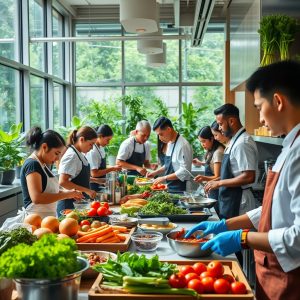
At the heart of this culinary revolution is a deep reverence for the ephemeral. Hyper-seasonal ingredients, sourced from local farms, foraged from nearby forests, or harvested from hotel gardens, form the backbone of menus that change not just with the seasons, but with the phases of the moon, the migration of birds, or the first frost. A Michelin-starred restaurant in a boutique hotel in Kyoto might feature a spring menu built around sansai—wild mountain vegetables—plucked at the peak of their freshness, while a five-star property in Tuscany crafts its autumn dishes around the earthy richness of truffles, chestnuts, and game.
This commitment to seasonality is not merely a trend; it’s a philosophy. It demands that chefs possess an almost encyclopedic knowledge of their local terroir, understanding not just what grows when, but how each ingredient’s flavor profile shifts with the weather, the soil, and the time of day. The result is a dining experience that feels utterly unique to its time and place, a fleeting snapshot of culinary perfection that cannot be replicated elsewhere or at any other moment.
The Fusion of Time and Place
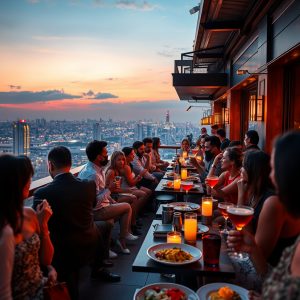
But luxury hotel dining is no longer confined to the traditions of a single region. The most innovative chefs are embracing fusion not as a gimmick, but as a way to create entirely new culinary languages. Imagine a tasting menu at a rooftop lounge in Singapore, where French techniques meet Peranakan spices, or a dish at a wellness-focused hotel in California that marries Japanese kaiseki with the vibrant, plant-based bounty of the Pacific coast. These are not just meals; they are dialogues between cultures, eras, and flavors, each bite a revelation.
This approach to fusion is deeply rooted in storytelling. A chef might draw inspiration from the hotel’s location—perhaps a historic property in Istanbul, where Ottoman flavors are reimagined with modernist techniques—or from a guest’s personal journey, crafting a bespoke menu that reflects their travels. The goal is not just to surprise the palate, but to evoke emotion, to make the diner feel as though they’ve been transported to a different time or place with every course.
The Role of the Chef as Curator
In this new era of destination dining, the chef’s role has evolved from mere cook to curator of experiences. At a luxury hotel in Mexico City, for example, a chef might collaborate with local artisans to source heirloom corn for a modern reinterpretation of a pre-Hispanic dish, or work with a mezcalero to pair each course with a rare, small-batch spirit. The menu becomes a narrative, with each ingredient and technique carefully chosen to tell a story about the land, its people, and its history.
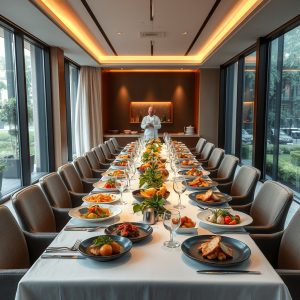
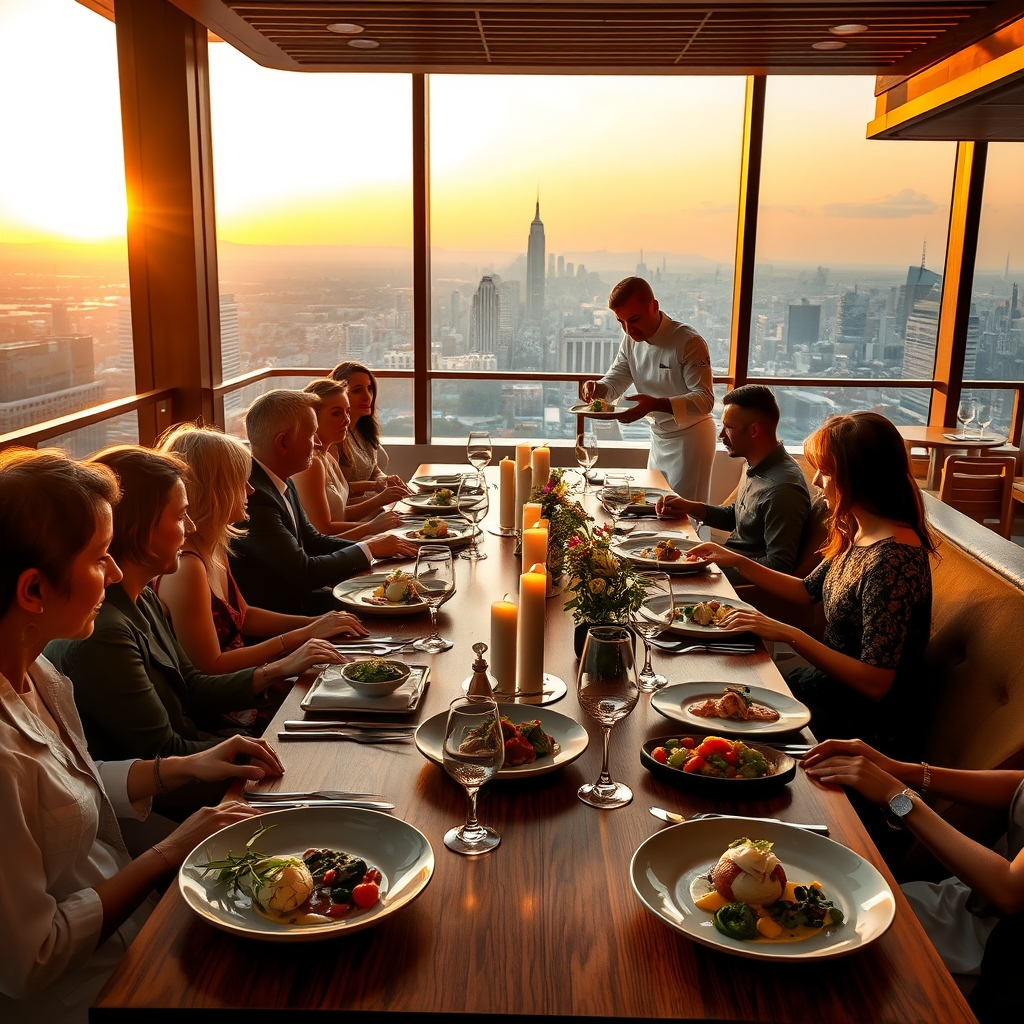
This level of curation extends beyond the kitchen. The dining room itself is designed to enhance the experience, whether it’s a rooftop lounge with panoramic views of a city skyline, a garden pavilion surrounded by fragrant herbs, or an intimate chef’s table where guests can watch the culinary magic unfold in real time. Even the service is choreographed to feel like part of the performance, with sommeliers, servers, and chefs working in harmony to guide guests through the journey.
The Future of Destination Dining
As the boundaries of fine dining continue to expand, luxury hotels are pushing the envelope in ways that blur the line between restaurant and theater. Some properties are experimenting with immersive dining experiences, where guests are invited to participate in the preparation of their meal—perhaps foraging for ingredients in the hotel’s garden or learning the art of sushi-making from a master chef. Others are incorporating technology, using augmented reality to tell the story behind each dish or interactive menus that allow guests to customize their experience.
Sustainability, too, is playing an increasingly central role. The best hotels are not just sourcing hyper-local ingredients; they’re also finding creative ways to minimize waste, whether by repurposing food scraps into new dishes, composting organic waste, or partnering with local farmers to create closed-loop systems. This commitment to sustainability is not just good for the planet; it’s also good for the palate, as it encourages chefs to think more creatively about how they use ingredients.
The Power of the Unexpected
What sets the most memorable destination dining experiences apart is their ability to surprise. A dish might arrive at the table concealed under a cloche, only to be revealed with a dramatic flourish, or a course might be served in an unconventional vessel—a hollowed-out fruit, a slate slab, or even a block of ice. These moments of theater are not just for show; they’re designed to heighten the senses, to make each bite feel like a discovery.
Take, for example, a tasting menu at a luxury hotel in Copenhagen, where a course might be inspired by the Nordic landscape, with ingredients like sea buckthorn, reindeer moss, and smoked eel presented in a way that evokes the rugged beauty of the region. Or consider a fusion dish at a hotel in Marrakech, where the spices of North Africa are paired with the delicate techniques of French haute cuisine, creating a harmony of flavors that feels both familiar and entirely new. These are the kinds of experiences that linger in the mind, long after the meal is over.
In the end, the true magic of destination dining lies in its ability to make the ordinary extraordinary. Whether it’s a simple dish of handmade pasta at a boutique hotel in Bologna or an elaborate tasting menu at a five-star property in Tokyo, the goal is the same: to create a moment of connection—between the diner and the chef, between the present and the past, between the plate and the place. It’s a reminder that food is not just fuel, but a celebration of life itself, a way to savor the world in all its fleeting, delicious complexity.