The Rise of Regenerative Gastronomy: How Zero-Waste Cooking, Algae Proteins, and Fermented Elixirs Are Crafting a Sustainable Future

The modern food landscape is undergoing a quiet but profound transformation, one where sustainability isn’t just a buzzword but a guiding principle. At the heart of this shift lies regenerative gastronomy—a philosophy that merges culinary innovation with ecological stewardship. It’s a movement that challenges us to rethink how we source, prepare, and consume food, turning what was once considered waste into something extraordinary. From the rise of algae-based proteins to the artistry of zero-waste cooking, this new wave of gastronomy is redefining what it means to eat well, both for ourselves and the planet.
The Alchemy of Zero-Waste Cooking
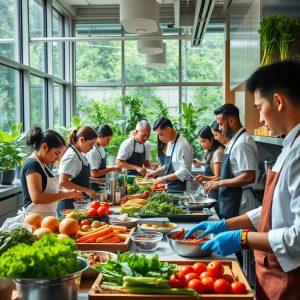
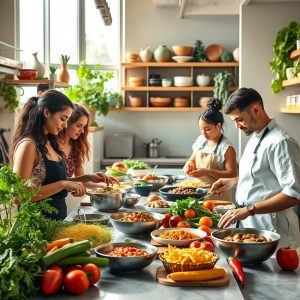
Zero-waste cooking is more than a trend; it’s a culinary revolution that treats every part of an ingredient as valuable. Chefs and home cooks alike are embracing techniques that minimize waste, transforming peels, stems, and scraps into gourmet creations. Carrot tops become vibrant pesto, citrus rinds are candied into delicate garnishes, and vegetable trimmings are simmered into rich, flavorful broths. This approach isn’t just about sustainability—it’s about creativity, challenging us to see the potential in what we might otherwise discard.
Restaurants like Silo in London and Rhodora in New York have pioneered this movement, proving that zero-waste kitchens can produce dishes that are as delicious as they are responsible. The key lies in reimagining traditional recipes, where every component of an ingredient is utilized. For instance, the fibrous pulp left over from juicing can be dehydrated into crackers, while spent grain from brewing beer finds new life in artisanal bread. The result is a dining experience that feels both luxurious and mindful, where nothing is wasted and everything is celebrated.
The Protein of Tomorrow: Algae and Cell-Cultured Innovations
As the demand for sustainable protein sources grows, algae-based proteins are emerging as a game-changer. Packed with essential amino acids, vitamins, and minerals, algae offer a nutrient-dense alternative to traditional animal proteins without the environmental footprint. Companies like Sophie’s Bionutrients and Algenuity are leading the charge, developing algae-based ingredients that can be incorporated into everything from plant-based burgers to dairy-free cheeses. The versatility of algae is astonishing—it can be grown in controlled environments, requires minimal resources, and even sequesters carbon, making it a powerhouse in the fight against climate change.
Meanwhile, cell-cultured meat is pushing the boundaries of what’s possible in sustainable protein. By cultivating animal cells in a lab, companies like Upside Foods and Aleph Farms are creating meat that is biologically identical to its conventional counterpart but without the ethical and environmental concerns. While still in its early stages, cell-cultured meat has the potential to revolutionize the way we think about protein, offering a future where indulgence doesn’t come at the planet’s expense.
The Fermented Renaissance: Probiotic Drinks and Beyond
Fermentation, one of humanity’s oldest food preservation techniques, is experiencing a renaissance in the modern culinary world. Beyond its role in creating tangy sauerkraut or effervescent kombucha, fermentation is now being harnessed to develop probiotic-rich elixirs that support gut health and overall well-being. Brands like GT’s Living Foods and Health-Ade are crafting fermented beverages that blend ancient traditions with contemporary flavors, offering everything from adaptogenic tonics to prebiotic sodas that nourish the microbiome.
The beauty of fermented foods lies in their complexity. The process of lacto-fermentation not only preserves ingredients but also enhances their nutritional profile, creating a symphony of flavors and textures that are as unique as they are beneficial. From kimchi to kefir, these foods are a testament to the power of microbial alchemy, transforming simple ingredients into something extraordinary. As science continues to uncover the links between gut health and overall wellness, fermented foods are poised to become a staple in the modern diet.
Global Fusion Meets Regenerative Ingredients
The fusion of global cuisines has long been a source of culinary inspiration, but today’s chefs are taking it a step further by incorporating regenerative ingredients into their dishes. Imagine a Japanese-inspired ramen broth enriched with algae-based dashi, or a Mexican mole thickened with upcycled cacao husks. These innovations are not only delicious but also reflect a deeper commitment to sustainability, blending tradition with cutting-edge food science.
Restaurants like Noma in Copenhagen and Attica in Melbourne are at the forefront of this movement, sourcing hyper-local, seasonal ingredients and reimagining them through a regenerative lens. The result is a dining experience that feels both familiar and futuristic, where every bite tells a story of innovation and responsibility. This approach is reshaping the way we think about global cuisine, proving that sustainability and flavor can go hand in hand.
The Future of Flavor: A Sustainable Symphony
The future of food is not just about what we eat but how we eat. It’s about embracing a regenerative mindset that values the entire lifecycle of an ingredient, from farm to fork. Whether it’s through zero-waste cooking, algae-based proteins, or fermented elixirs, the possibilities are endless when we combine creativity with sustainability. This movement is not a fleeting trend but a fundamental shift in how we interact with our food, one that promises to nourish both our bodies and the planet for generations to come.
As we stand at the crossroads of culinary innovation and ecological responsibility, the choices we make today will shape the future of gastronomy. The ingredients and techniques emerging in this space are not just redefining what’s possible—they’re inviting us to be part of a larger story, one where every meal is an opportunity to celebrate flavor, nourishment, and the delicate balance of our world. The table is set, and the invitation is clear: to savor not just the food on our plates, but the future it represents.