The Art of Gastronomic Time Travel: How Luxury Hotels Are Crafting Immersive Dining Experiences with Hyper-Seasonal and Fusion Narratives
In the rarefied world of luxury hotel dining, the plate is no longer just a vessel for sustenance—it has become a canvas for storytelling, a medium through which chefs and sommeliers weave tales of terroir, tradition, and innovation. The most visionary establishments are moving beyond the mere presentation of food, instead crafting immersive gastronomic experiences that transport diners through time, space, and emotion. This is the art of culinary time travel, where hyper-seasonal ingredients and fusion narratives converge to create dining moments that linger long after the last bite.
The Renaissance of Hyper-Seasonal Dining
The concept of seasonality is not new, but its execution in luxury hotel dining has evolved into something far more nuanced than a simple rotation of ingredients. Today’s most forward-thinking chefs are treating each season as a chapter in a larger culinary narrative, where dishes are designed to evoke the fleeting beauty of nature’s cycles. A spring menu might unfold like a sonnet, with delicate pea shoots, morel mushrooms, and tender lamb serving as verses that celebrate renewal. Meanwhile, an autumn tasting menu could read like an ode to decay, with earthy truffles, roasted squash, and spiced game painting a portrait of harvest’s golden decline.
At properties like Singita Grumeti in Tanzania, the kitchen operates in harmony with the rhythms of the wild. Chefs forage for indigenous ingredients like baobab fruit and wild honey, while game meats are sourced from the surrounding savannah. The result is a dining experience that feels less like a meal and more like a communion with the land itself. Similarly, Noma in Copenhagen—though not a hotel—has set the gold standard for hyper-seasonal dining, with its ever-changing menu reflecting the ephemeral bounty of the Nordic landscape. Luxury hotels are now adopting this philosophy, transforming their restaurants into living dioramas of the world outside their doors.
The Fusion of Past and Present
While hyper-seasonal dining grounds the experience in the present, fusion cuisine allows chefs to bridge the gap between tradition and modernity. The most compelling fusion narratives don’t merely combine flavors from different cultures—they reimagine them through a contemporary lens, creating dishes that feel both timeless and cutting-edge. Consider the work of Chef Virgilio Martínez at Central in Lima, where Peruvian ingredients are elevated through avant-garde techniques. His tasting menu takes diners on a journey through Peru’s diverse ecosystems, from the Amazon rainforest to the Andean highlands, with each dish telling a story of place and heritage.
Luxury hotels are increasingly embracing this approach, using fusion as a tool to craft immersive narratives. At The Ritz-Carlton, Kyoto, for example, kaiseki traditions meet French techniques in a delicate dance of old and new. A dish of miso-glazed black cod might be paired with a foie gras-infused dashi, creating a harmony of flavors that transcends cultural boundaries. Meanwhile, in Dubai, Zuma reinterprets Japanese izakaya fare with Middle Eastern influences, resulting in dishes like miso-marinated lamb chops with za’atar-spiced eggplant. These culinary marriages are not gimmicks—they are carefully curated stories that invite diners to explore the intersections of history, culture, and innovation.
The Role of the Dining Environment
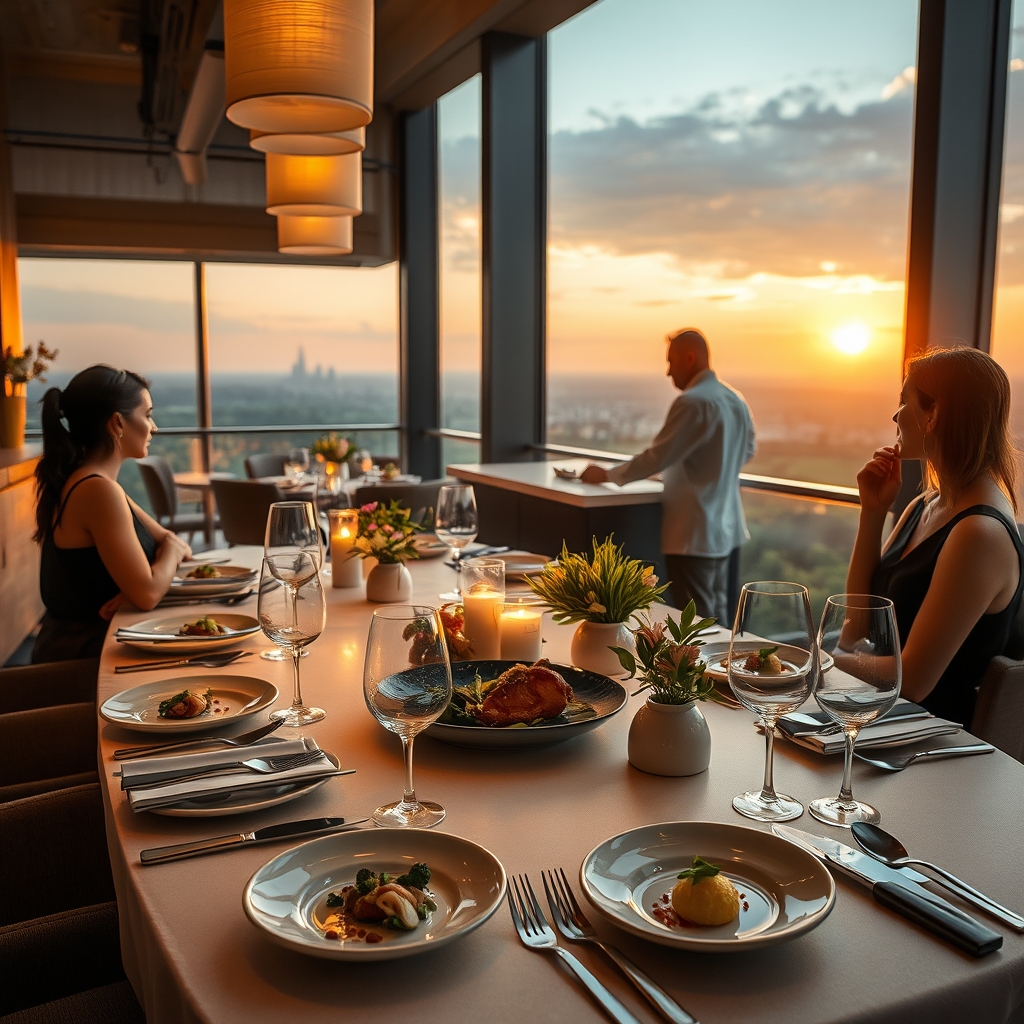
An immersive dining experience is about more than just the food—it’s about the entire sensory journey. Luxury hotels understand this implicitly, designing dining spaces that complement and enhance the culinary narrative. Rooftop lounges, for instance, are no longer just places to sip cocktails; they are stages for gastronomic theater. At 1 Hotel Brooklyn Bridge, the rooftop restaurant Harvest offers panoramic views of the Manhattan skyline, but it’s the hyper-local menu—featuring ingredients sourced from the hotel’s own rooftop garden—that truly captivates. Diners can watch as their heirloom tomatoes are plucked from the vine moments before being served, blurring the line between farm and table.
Similarly, at Aman Tokyo, the Aman Dining experience is a masterclass in minimalist elegance. The restaurant’s floor-to-ceiling windows frame the city’s skyline, while the menu—rooted in Japanese kaiseki traditions—unfolds like a meditation on simplicity and precision. The environment is not just a backdrop; it’s an active participant in the storytelling, shaping the diner’s perception of each dish.
The Future of Gastronomic Storytelling
As luxury hotel dining continues to evolve, the most exciting developments lie in the realm of personalization and interactivity. Chefs are no longer just creators—they are collaborators, working with diners to craft bespoke experiences that reflect individual tastes and preferences. At The Peninsula Hong Kong, the Gaddi’s restaurant offers a “Chef’s Journey” tasting menu, where guests can engage directly with the kitchen team to customize their meal. Want a deeper dive into Cantonese flavors? The chef might add an extra course of dim sum. Prefer a lighter touch? The menu can be adjusted to emphasize seafood and seasonal vegetables.
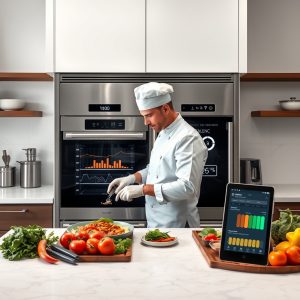
Technology, too, is playing an increasingly prominent role in gastronomic storytelling. Augmented reality (AR) and virtual reality (VR) are being used to create immersive dining experiences that transport guests to far-flung locales. Imagine donning a VR headset at a Parisian hotel and being whisked away to a Provençal lavender field, where each course is paired with a virtual journey through the region’s culinary history. Or picture an AR app that overlays the story of a dish’s ingredients onto the plate itself, turning a simple meal into an interactive narrative.
The Power of the Ephemeral
Perhaps the most compelling aspect of these immersive dining experiences is their ephemeral nature. Like a performance of theater or a symphony, a tasting menu is a fleeting moment in time—one that can never be replicated exactly. This impermanence is part of what makes it so magical. A dish that captures the essence of a particular season, a fusion of flavors that feels perfectly balanced in the moment, a dining environment that harmonizes with the meal—these are the elements that transform a meal into a memory.
Luxury hotels are not just selling food; they are selling experiences, emotions, and stories. In an era where diners crave authenticity and connection, the ability to craft a narrative through hyper-seasonal ingredients and fusion techniques is what sets the most exceptional establishments apart. The plate is no longer just a vessel—it’s a portal, inviting guests to step into a world where time, place, and flavor converge in perfect harmony. And as the boundaries between dining and art continue to blur, one thing is certain: the future of luxury hotel cuisine will be anything but ordinary.