The Future of Home Cooking: How Sensory Techniques and Collaborative Development Are Crafting Hyper-Personalized Culinary Journeys
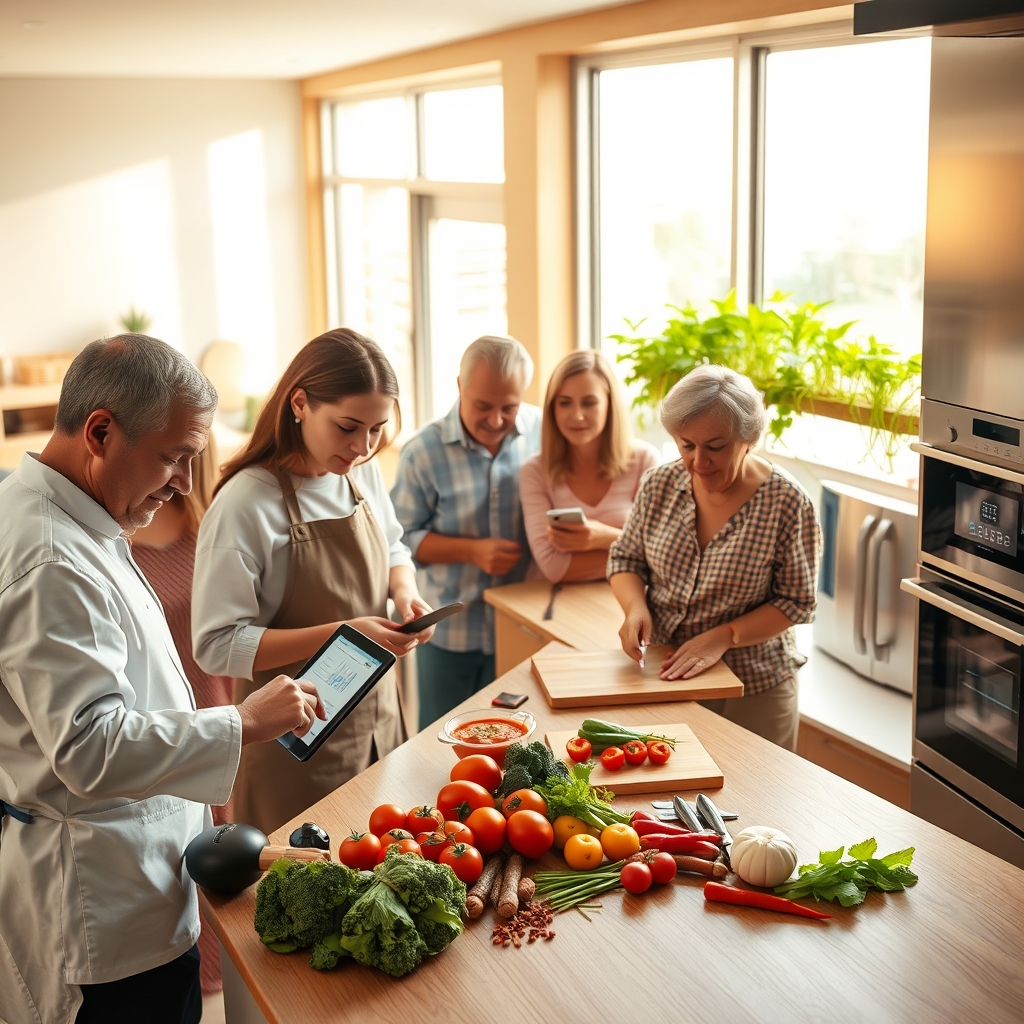
The modern kitchen is no longer just a place to prepare meals; it has evolved into a dynamic laboratory where science, art, and technology converge to create unforgettable culinary experiences. At the heart of this transformation lies a deep understanding of sensory cooking techniques and the power of collaborative recipe development, which together are redefining how we approach food at home. By blending the precision of data-driven insights with the creativity of human intuition, home cooks are now empowered to craft dishes that are not only delicious but also deeply personal and meaningful.
The Science of Sensory Cooking
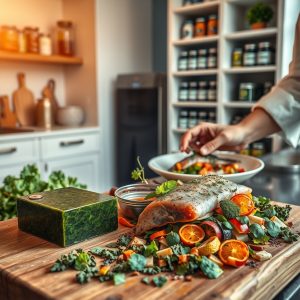
Cooking is an inherently sensory experience, engaging sight, smell, touch, sound, and taste. Yet, many home cooks overlook the profound impact these senses have on the final dish. Sensory cooking techniques encourage a mindful approach to food preparation, where every step—from selecting ingredients to plating—is an opportunity to heighten awareness and deepen connection. For instance, the sizzle of garlic in hot oil isn’t just a sound; it’s a signal that flavors are being unlocked. The vibrant color of freshly chopped herbs isn’t just aesthetic; it’s a hint at the aromatic potential they bring to a dish.
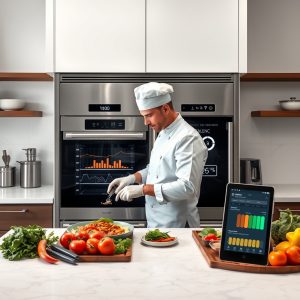
Recent advancements in tech-assisted precision cooking have further amplified these sensory experiences. Smart kitchen tools, such as precision sous-vide machines and multi-sensory cooking apps, provide real-time feedback, helping cooks fine-tune their techniques. These tools don’t replace intuition; they enhance it, allowing home chefs to experiment with textures, temperatures, and timing in ways that were once reserved for professional kitchens. The result? Dishes that are not only consistent but also tailored to individual preferences, whether it’s achieving the perfect sear on a steak or balancing the acidity in a sauce.
Personalized Flavor Profiling: Cooking for Your Unique Palate
One of the most exciting developments in modern culinary education is the rise of personalized flavor profiling. This approach recognizes that taste is subjective, shaped by genetics, culture, and personal experiences. By leveraging data from taste tests, dietary preferences, and even genetic markers, home cooks can now create flavor profiles that are uniquely their own. Imagine a meal plan that evolves with your palate, suggesting ingredient pairings that align with your preferences while introducing subtle variations to expand your culinary horizons.
Platforms that specialize in bespoke meal planning are making this a reality. These tools analyze your past meals, dietary restrictions, and flavor preferences to generate recipes that feel custom-made. For example, if you have a preference for umami-rich ingredients, the system might suggest a miso-glazed eggplant dish paired with a fermented black garlic aioli. The beauty of this approach is that it doesn’t just cater to your tastes—it challenges them, encouraging you to explore new flavors while staying within your comfort zone.
The Power of Collaboration in the Kitchen
Cooking has traditionally been a solitary or familial activity, but the rise of collaborative recipe development is changing that narrative. Online communities and interactive platforms are enabling home cooks to share, refine, and co-create recipes in real time. Whether it’s a global group of food enthusiasts tweaking a traditional dish or a local cooking club experimenting with seasonal ingredients, collaboration fosters creativity and innovation.
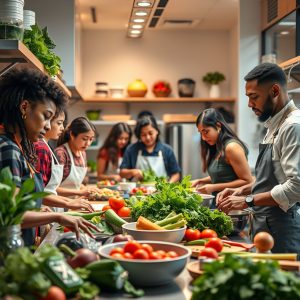
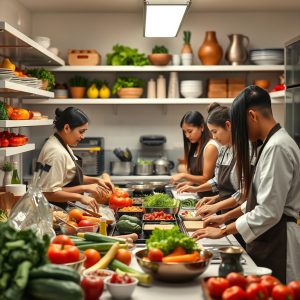
Interactive kitchen workshops take this concept further by providing hands-on learning experiences. These workshops, often led by professional chefs or culinary experts, allow participants to engage with techniques like adaptive cooking workflows and mindful food preparation. For instance, a workshop on sustainable ingredient sourcing might teach participants how to select locally grown produce while minimizing waste. Another session could focus on creative ingredient pairing, demonstrating how unexpected combinations—like chocolate and chili or watermelon and feta—can create harmonious flavors.
These collaborative spaces also serve as a bridge between tradition and innovation. By preserving cultural culinary practices while embracing modern techniques, home cooks can honor their heritage while pushing the boundaries of what’s possible in the kitchen. For example, a workshop on traditional fermentation methods might inspire participants to experiment with modern twists, such as infusing kimchi with tropical fruits or creating hybrid sourdough starters.
Designing the Kitchen of the Future
The physical space of the kitchen is also undergoing a transformation to support these new culinary approaches. Efficient kitchen design is no longer just about aesthetics; it’s about functionality, sustainability, and adaptability. Modular countertops, smart storage solutions, and energy-efficient appliances are becoming staples in modern homes, allowing cooks to streamline their workflows and reduce waste.
For instance, adaptive cooking workflows can be optimized with a kitchen layout that prioritizes ergonomics. A well-designed kitchen might feature a central island for prep work, with easy access to tools and ingredients, while smart appliances like induction cooktops and convection ovens provide precise control over cooking conditions. Additionally, real-time cooking analytics can be integrated into the kitchen through smart displays or voice assistants, offering step-by-step guidance and troubleshooting tips as you cook.
Sustainability is another key consideration in modern kitchen design. From composting systems to water-saving faucets, every element is designed to minimize environmental impact. Sustainable ingredient sourcing is also becoming more accessible, with many home cooks opting for farm-to-table delivery services or growing their own herbs and vegetables in vertical gardens. These practices not only reduce the carbon footprint of meals but also deepen the connection between the cook and the ingredients.
The future of home cooking is not just about the food we create; it’s about the experiences we cultivate and the communities we build. By embracing sensory techniques, collaborative development, and mindful practices, we can transform everyday meals into extraordinary journeys. Whether you’re a seasoned chef or a curious beginner, the modern kitchen offers endless opportunities to explore, innovate, and savor the art of cooking. As we continue to blend tradition with technology, the boundaries of what’s possible in the kitchen will only expand, inviting us to reimagine the way we nourish ourselves and those we love.