The Future of Fine Dining: How Boutique Hotels Are Redefining Gourmet Cuisine with Sustainable and Hyper-Local Menus

The world of luxury dining is undergoing a quiet revolution, one that marries the opulence of five-star hospitality with the authenticity of hyper-local, sustainable ingredients. Boutique hotels, once overshadowed by their larger counterparts, are now at the forefront of this movement, transforming their dining experiences into intimate, immersive journeys that celebrate the land, the seasons, and the hands that cultivate them. This shift is not merely a trend but a redefinition of what it means to dine in luxury—where every bite tells a story, and every meal is a testament to the harmony between indulgence and responsibility.
The Rise of the Conscious Epicurean
Gone are the days when fine dining was synonymous with imported delicacies and extravagant displays of wealth. Today’s discerning diners seek more than just a meal; they crave an experience that aligns with their values. Boutique hotels have responded by curating menus that prioritize sustainability, traceability, and ethical sourcing. From urban rooftop gardens to partnerships with nearby organic farms, these establishments are proving that luxury and sustainability are not mutually exclusive. The result? Dishes that are as nourishing for the soul as they are for the palate, where the freshness of a heirloom tomato or the earthiness of a foraged mushroom becomes the star of the plate.
The Art of Hyper-Local Cuisine
At the heart of this movement is the concept of hyper-local cuisine—a philosophy that champions ingredients sourced within a stone’s throw of the kitchen. Boutique hotels are embracing this approach by forging deep relationships with local producers, fishermen, and artisans. Imagine a breakfast spread featuring honey from the hotel’s own beehives, artisanal cheeses from a neighboring dairy, and bread baked with flour milled from grains grown just miles away. This level of proximity not only reduces the carbon footprint but also ensures that each ingredient arrives at its peak of flavor, untouched by the preservatives and delays of long-distance transport.
Chefs in these kitchens are becoming storytellers, weaving narratives of the region into their dishes. A tasting menu might begin with a delicate amuse-bouche of smoked trout from a nearby river, followed by a course of heritage pork raised on a farm visible from the hotel’s terrace. Desserts could feature berries handpicked from the hotel’s garden, their sweetness a direct reflection of the soil and sunlight that nurtured them. This hyper-local focus transforms dining into a celebration of place, where every bite is a connection to the land and its people.
The Evolution of the Tasting Menu
The tasting menu, long a hallmark of fine dining, has evolved into a canvas for creativity and sustainability. Boutique hotels are reimagining this format by designing menus that adapt to the rhythms of nature rather than the whims of global supply chains. Seasonal tasting menus are no longer a novelty but an expectation, with chefs crafting dishes that highlight the fleeting beauty of each season. A spring menu might burst with the vibrancy of asparagus, morels, and ramps, while autumn brings the richness of squash, mushrooms, and game.
Fusion with a Conscience
Even fusion cuisine, often criticized for its lack of authenticity, is being redefined through the lens of sustainability. Chefs are blending global techniques with local ingredients, creating dishes that are both innovative and rooted in tradition. Picture a Japanese-inspired dish of miso-glazed black cod, but with the fish sourced from a sustainable fishery just off the coast. Or a Mexican mole reimagined with heirloom beans and chiles grown in the hotel’s greenhouse. This approach not only reduces the environmental impact but also introduces diners to new flavor profiles that honor the origins of their ingredients.
The Wellness Factor: Dining as Nourishment
Luxury dining is no longer just about indulgence; it’s about nourishment in the truest sense. Boutique hotels are leading the charge in wellness-focused dining, offering menus that cater to both the body and the mind. Plant-based fine dining has moved beyond a niche offering to become a cornerstone of modern gourmet cuisine. Chefs are crafting plant-forward dishes that are as visually stunning as they are delicious, using techniques like fermentation, dehydration, and precision cooking to elevate vegetables, grains, and legumes to new heights.
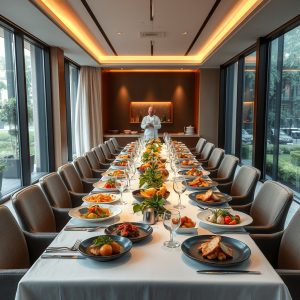
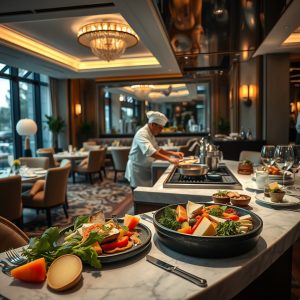
Even traditional dishes are being reimagined with wellness in mind. A five-star hotel buffet might feature a station dedicated to gut-friendly foods, with probiotic-rich yogurts, house-made kombuchas, and fermented vegetables. In-room dining menus now include options for low-sugar, gluten-free, or keto-friendly meals, all prepared with the same attention to detail as their more indulgent counterparts. This holistic approach to dining reflects a broader shift in luxury hospitality, where the well-being of the guest is as important as the quality of the meal.
The Destination Dining Experience
Boutique hotels are also redefining the concept of destination dining, turning their restaurants into must-visit culinary landmarks. These establishments are no longer just places to eat; they are experiences to be savored, where the journey is as important as the destination. A hotel rooftop lounge might offer a sunset tasting menu paired with craft cocktails made from house-infused spirits and local botanicals. A farm-to-table restaurant could invite guests to participate in a foraging excursion or a cooking class with the chef, creating memories that extend far beyond the plate.
This focus on experiential dining is attracting a new generation of culinary tourists—travelers who plan their trips around where they will eat. Boutique hotels are capitalizing on this trend by offering exclusive dining events, such as chef collaborations, pop-up dinners, and wine-pairing experiences with sommeliers. These events not only elevate the dining experience but also foster a sense of community, turning guests into loyal patrons who return not just for the food, but for the connection.
The future of fine dining is being written in the kitchens of boutique hotels, where luxury is no longer measured by extravagance alone but by the depth of the experience. Here, every meal is a celebration of the land, the seasons, and the people who bring them to life. It’s a movement that proves true indulgence is not about excess, but about mindfulness—where the most memorable dishes are those that nourish the body, the soul, and the planet in equal measure. As diners continue to seek out experiences that resonate with their values, these hotels are setting a new standard for what it means to dine in style, one hyper-local, sustainable bite at a time.