The Art of Elevated Hospitality: How Luxury Hotels Are Transforming Fine Dining into Immersive Culinary Journeys
In the world of luxury hospitality, dining has transcended the mere act of eating to become an art form—a multisensory experience that engages the palate, the mind, and the soul. Today’s most visionary hotels are redefining gourmet cuisine by blending innovation with tradition, sustainability with indulgence, and global influences with hyper-local authenticity. The result? A new era of fine dining where every meal is a carefully orchestrated journey, designed to leave a lasting impression.
The Rise of the Culinary Storyteller
Gone are the days when hotel restaurants were merely convenient dining options for guests. The modern luxury hotel has embraced the role of a culinary storyteller, crafting menus that narrate the history, culture, and terroir of their surroundings. Chefs are no longer just cooks; they are curators of experiences, weaving together flavors, textures, and presentations that tell a story with every bite. At properties like Singita Grumeti in Tanzania, the dining experience is an extension of the safari adventure, with dishes that highlight indigenous ingredients like baobab, moringa, and wild honey, all while guests dine under the stars with the sounds of the African wilderness as their soundtrack.
This trend extends beyond exotic destinations. In urban hubs like New York and Tokyo, luxury hotels are collaborating with local farmers, fishermen, and artisans to create menus that reflect the city’s culinary identity. The Park Hyatt Tokyo’s New York Grill, for instance, sources its produce from nearby prefectures, ensuring that even the most cosmopolitan dishes carry a sense of place. The result is a dining experience that feels both globally inspired and deeply rooted in its locale.
The Evolution of the Tasting Menu
The tasting menu has long been the hallmark of fine dining, but today’s iterations are more dynamic and personalized than ever before. Chefs are moving away from rigid, pre-set sequences in favor of fluid, interactive experiences that adapt to the guest’s preferences and dietary needs. At Noma in Copenhagen, often hailed as one of the world’s best restaurants, the tasting menu is a living, breathing entity, changing daily based on what’s fresh, foraged, or in season. Guests might start with a delicate sea buckthorn sorbet, followed by a dish of live shrimp served with fermented barley, and end with a dessert of blackcurrant and woodruff—a progression that mirrors the rhythm of nature itself.
Luxury hotels are taking this concept a step further by integrating technology and personalization into the tasting menu experience. At The Ritz-Carlton, Kyoto, guests can opt for a Kaiseki tasting menu that is tailored to their individual tastes, with chefs adjusting flavors and presentations in real time based on feedback. Some properties even offer augmented reality (AR) enhancements, where diners can use their smartphones to learn about the origin of each ingredient or watch a short film about the dish’s inspiration. This fusion of tradition and innovation elevates the tasting menu from a meal to a performance.
The Farm-to-Table Revolution Meets Five-Star Luxury
Sustainability is no longer a buzzword in luxury dining—it’s a non-negotiable standard. The farm-to-table movement has evolved from a niche trend to a cornerstone of high-end hotel cuisine, with properties investing in on-site gardens, rooftop farms, and partnerships with local producers to ensure their ingredients are as fresh as they are ethical. The Four Seasons Resort Maui at Wailea takes this commitment to the next level with its Ferraro’s Bar e Ristorante, where 90% of the produce is grown in the resort’s own organic garden. Guests can even take a tour of the garden before their meal, meeting the farmers and learning about the journey from soil to plate.
But sustainability in luxury dining isn’t just about where ingredients come from—it’s also about how they’re used. Zero-waste cooking has become a badge of honor for top chefs, who are finding creative ways to repurpose every part of an ingredient. At The Savoy in London, Chef Daniel Pearse has introduced a Root to Stem menu that celebrates the often-overlooked parts of vegetables, like carrot tops, beet greens, and broccoli stems. These dishes aren’t just eco-friendly; they’re also a testament to the chef’s ingenuity and respect for the ingredients.
The Future of In-Room Dining: A Personalized Culinary Experience
In-room dining has undergone a dramatic transformation in recent years, shedding its reputation for lackluster room service in favor of a bespoke, restaurant-quality experience. Luxury hotels are now offering guests the opportunity to customize their in-room meals down to the smallest detail, from the temperature of the wine to the plating of the dessert. At The Peninsula New York, guests can order a Chef’s Table experience, where a private chef prepares a multi-course meal in their suite, complete with tableside service and wine pairings. The experience is so immersive that it rivals dining in the hotel’s signature restaurant.
Technology is also playing a key role in elevating in-room dining. Some hotels now use AI-powered apps to recommend dishes based on a guest’s past orders or dietary preferences, while others offer virtual cooking classes where guests can learn to prepare their favorite hotel dishes from the comfort of their room. At The Langham, Chicago, the Travelle Kitchen + Bar offers a Dine in Your Room menu that includes interactive elements, such as QR codes that link to videos of the chef explaining the inspiration behind each dish. This blend of convenience and personalization ensures that in-room dining is no longer an afterthought but a highlight of the luxury hotel experience.
The Rooftop Lounge: Where Skyline Views Meet Culinary Innovation
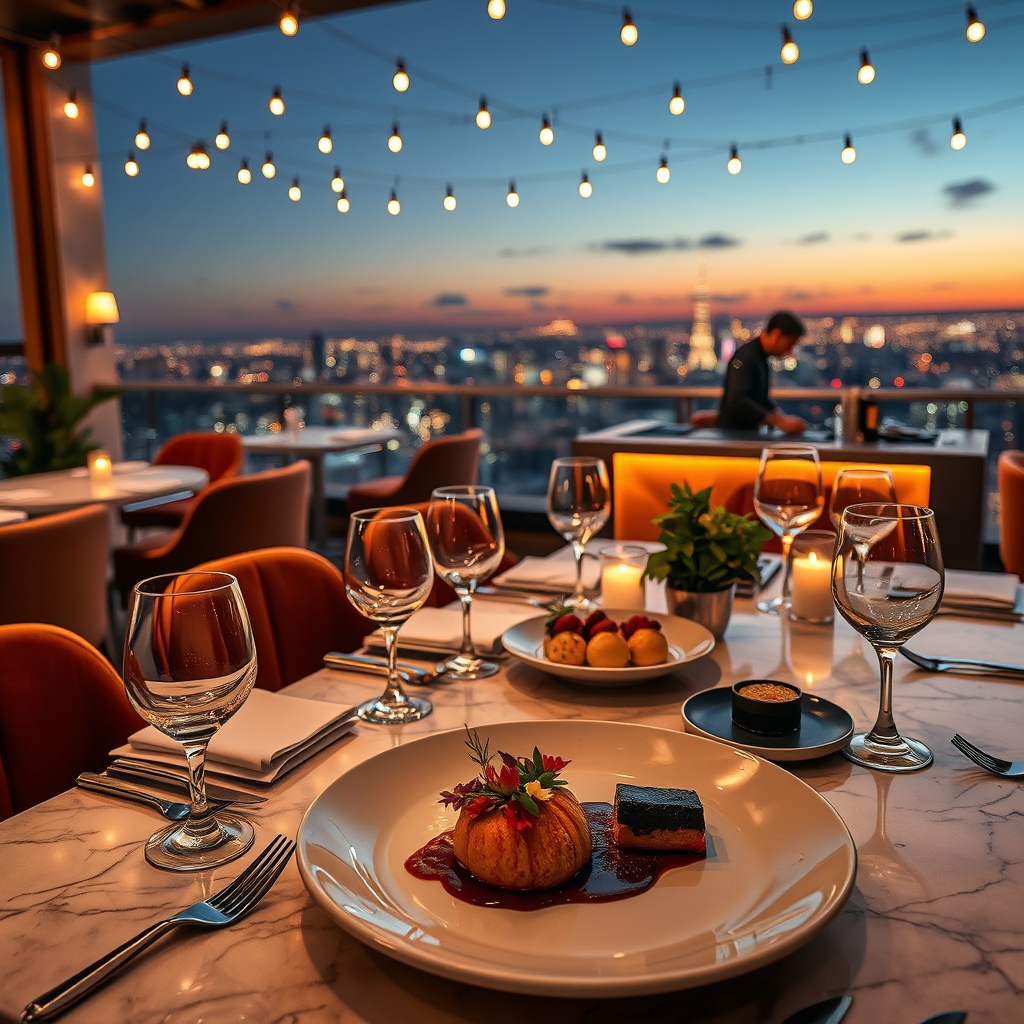
Rooftop lounges have become synonymous with luxury hotel dining, offering guests a chance to dine under the stars while taking in breathtaking city views. But today’s rooftop experiences are about more than just the scenery—they’re about pushing the boundaries of culinary creativity. At The Hoxton, Amsterdam, the rooftop lounge Lotti’s serves up a menu of small plates designed for sharing, with dishes like smoked eel croquettes and beetroot tartare that reflect the city’s vibrant food scene. The space itself is a masterclass in design, with a retractable roof, cozy fire pits, and a bar that doubles as a stage for live music and DJ sets.
In cities like Dubai and Singapore, where skyscrapers dominate the skyline, rooftop lounges are taking the concept of destination dining to new heights—literally. The At.mosphere restaurant at the Burj Khalifa holds the title of the world’s highest restaurant, offering diners a 360-degree view of the city from 442 meters above the ground. The menu is equally impressive, featuring dishes like black cod with miso glaze and wagyu beef tartare, all served with a side of unparalleled luxury. These rooftop experiences prove that the best dining isn’t just about the food—it’s about the atmosphere, the company, and the memories created.
The Intersection of Wellness and Indulgence
In an era where health and wellness are at the forefront of travelers’ minds, luxury hotels are reimagining fine dining to cater to the growing demand for nutritious yet indulgent cuisine. The rise of wellness dining has given birth to a new category of gourmet experiences that prioritize both flavor and function. At Six Senses Douro Valley in Portugal, the restaurant Zest offers a menu of plant-based dishes that are as visually stunning as they are nourishing. Think golden turmeric lattes, rainbow Buddha bowls, and desserts made with raw cacao and coconut—all designed to fuel the body and delight the senses.
But wellness dining isn’t just about plant-based cuisine. It’s also about mindful indulgence, where guests can enjoy rich, decadent dishes without guilt. The Raffles Hotel Singapore has mastered this balance with its Long Bar, where the iconic Singapore Sling is served alongside a menu of small plates that celebrate the island’s multicultural heritage. The key is moderation and intention—every dish is crafted to be savored, not rushed, allowing guests to fully appreciate the flavors and the moment.
The world of luxury hotel dining is in the midst of a renaissance, where creativity, sustainability, and personalization converge to create experiences that are as unforgettable as they are delicious. Whether it’s a tasting menu that tells a story, a rooftop lounge that offers a bird’s-eye view of the city, or an in-room dining experience that feels like a private chef’s table, today’s gourmet hotel cuisine is about more than just food—it’s about crafting moments that linger long after the last bite. As hotels continue to push the boundaries of what’s possible, one thing is clear: the future of fine dining is not just on the plate, but in the memories it creates.