The Future of Cooking: How Technology and Tradition Are Redefining Culinary Education
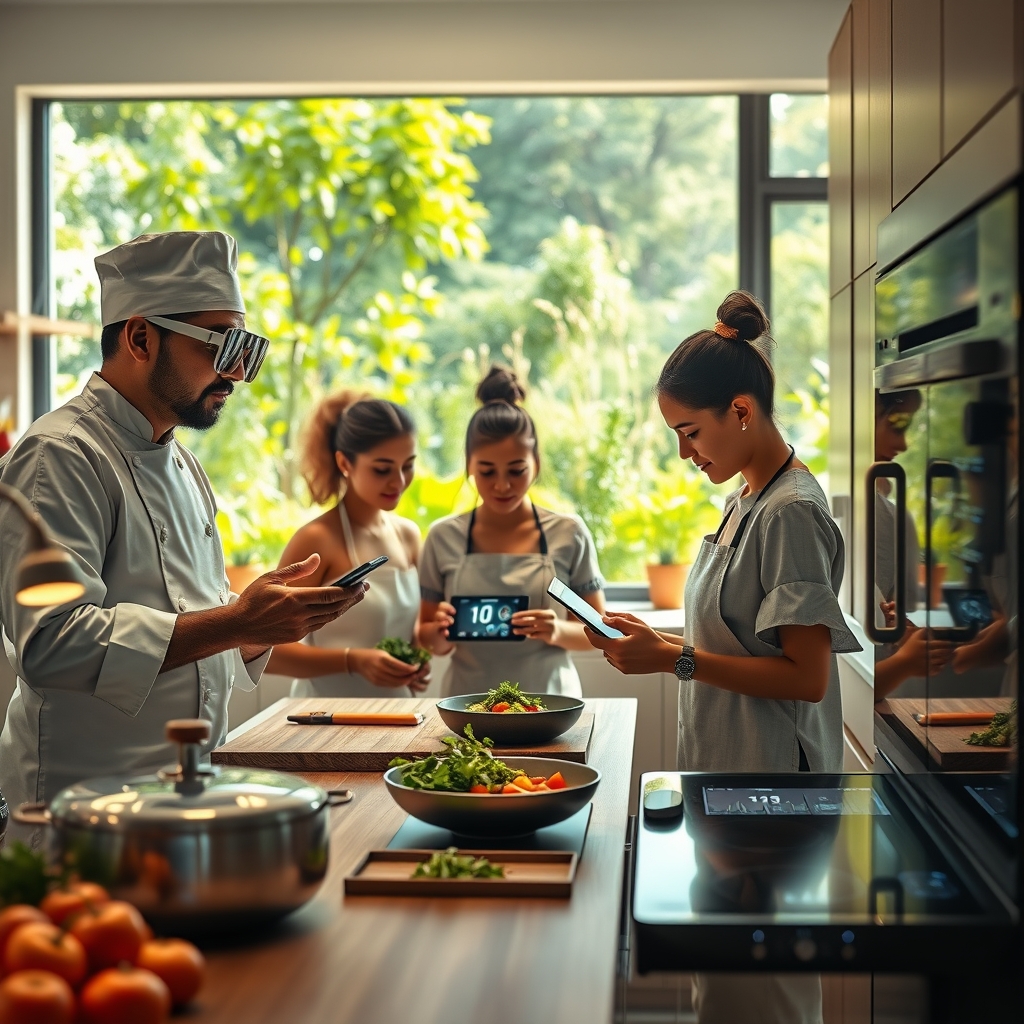
The kitchen has always been a place of creativity, culture, and connection, but today, it’s evolving into something even more dynamic. The rise of immersive culinary education and sensory cooking techniques is transforming how we learn, cook, and experience food. No longer confined to traditional methods, modern cooking embraces technology, personalization, and mindfulness to create a richer, more engaging culinary journey. Whether you’re a home cook or an aspiring chef, these innovations are making the art of cooking more accessible, precise, and deeply rewarding.
The Rise of Immersive Culinary Education
Gone are the days when culinary education was limited to textbooks and static recipes. Today, immersive culinary education leverages virtual reality (VR), augmented reality (AR), and interactive platforms to create hands-on learning experiences. Imagine donning a VR headset and stepping into a bustling Parisian kitchen, where a Michelin-starred chef guides you through the intricacies of French pastry. Or using AR to overlay step-by-step instructions onto your countertop as you chop, sauté, and season. These technologies don’t just teach—they engage all the senses, making learning more intuitive and memorable.
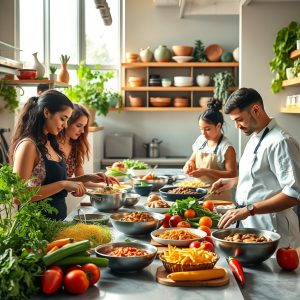
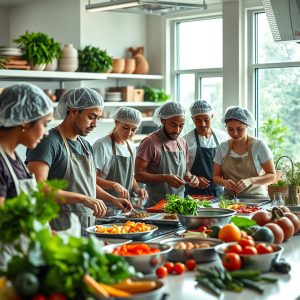
Interactive kitchen workshops take this a step further by blending digital tools with real-world practice. Participants can join live sessions led by professional chefs, receive real-time feedback, and even collaborate with others in a shared virtual space. This approach democratizes culinary education, breaking down geographical barriers and making expert guidance available to anyone with an internet connection. The result? A new generation of cooks who are not only skilled but also confident and creative in the kitchen.
Sensory Cooking Techniques: Engaging All Five Senses
Cooking is as much about sensory experience as it is about technique. Sensory cooking techniques emphasize the importance of sight, sound, touch, smell, and taste in creating dishes that are not just delicious but also deeply satisfying. For example, the sizzle of garlic in hot oil, the vibrant color of freshly chopped herbs, or the texture of dough as it transforms under your hands—these elements elevate cooking from a routine task to a multisensory adventure.
One emerging trend in this space is personalized flavor profiling, where cooks use data-driven insights to tailor recipes to their unique taste preferences. By analyzing flavor compounds and sensory responses, apps and devices can suggest ingredient pairings that align with an individual’s palate. This approach doesn’t just make cooking more enjoyable—it also encourages experimentation and creativity, allowing home cooks to develop their signature style.
Mindful Food Preparation: Cooking with Intention
In a world that often feels rushed, mindful food preparation offers a way to slow down and reconnect with the process of cooking. This practice involves being fully present in the kitchen, from selecting ingredients to plating the final dish. It’s about appreciating the journey as much as the destination—whether that means savoring the aroma of spices as they toast or taking a moment to admire the colors of a freshly prepared salad.
Mindful cooking also extends to sustainable ingredient sourcing, which prioritizes locally grown, seasonal, and ethically produced foods. By choosing ingredients that are in harmony with the environment, cooks can reduce their carbon footprint while supporting local farmers and producers. This conscious approach not only benefits the planet but also enhances the flavor and nutritional value of meals, as fresher ingredients simply taste better.
Tech-Assisted Precision Cooking: The Science Behind the Art
Precision is key in cooking, and technology is making it easier than ever to achieve perfect results every time. Tech-assisted precision cooking tools, such as smart scales, temperature probes, and sous vide machines, allow cooks to measure, monitor, and adjust with unparalleled accuracy. These devices take the guesswork out of cooking, ensuring that steaks are seared to perfection, sauces are emulsified just right, and baked goods rise evenly.
Real-time cooking analytics take this a step further by providing instant feedback on techniques and outcomes. For example, a smart pan might track the temperature of your oil and alert you when it’s ready for frying, or a connected oven could adjust its settings based on the moisture content of your dish. These innovations don’t replace skill—they enhance it, allowing cooks to refine their techniques and achieve consistent results.
Collaborative Recipe Development: Cooking as a Shared Experience
Cooking has always been a social activity, and collaborative recipe development is bringing people together in new and exciting ways. Online platforms and apps allow cooks to share recipes, exchange tips, and even co-create dishes in real time. Whether it’s a family recipe passed down through generations or a crowd-sourced dish from a global community, these collaborations foster creativity and connection.
This trend is particularly powerful in the context of cultural culinary preservation, where communities work together to document and celebrate traditional recipes. By sharing their knowledge and techniques, cooks can ensure that these culinary treasures are not lost to time. At the same time, they inspire others to explore new flavors and techniques, creating a vibrant, ever-evolving food culture.
The Home Kitchen of the Future: Optimized for Creativity
As cooking evolves, so too does the space where it happens. Efficient kitchen design is no longer just about aesthetics—it’s about functionality, adaptability, and sustainability. The modern kitchen is a hub of innovation, equipped with smart appliances, modular storage, and ergonomic layouts that make cooking more enjoyable and efficient. For example, pull-out pantries, adjustable countertops, and integrated charging stations for devices can streamline workflows and reduce clutter, allowing cooks to focus on what matters most: the food.
Adaptive cooking workflows take this a step further by tailoring the kitchen environment to the needs of the cook. Whether you’re a left-handed chef who needs easy access to tools or a parent juggling multiple tasks, these workflows ensure that the kitchen works for you, not the other way around. The result is a space that inspires creativity and makes cooking a joy, rather than a chore.
The future of cooking is a blend of tradition and innovation, where technology enhances rather than replaces the human touch. From immersive culinary education to mindful food preparation, these advancements are making cooking more accessible, precise, and deeply personal. Whether you’re experimenting with sensory techniques, collaborating on a new recipe, or optimizing your kitchen for efficiency, the possibilities are endless. The kitchen is no longer just a place to prepare meals—it’s a space for exploration, connection, and creativity, where every dish tells a story and every cook has the tools to make it their own.