The Future of Cooking: How Technology and Tradition Are Redefining Culinary Education
The kitchen has always been a place of creativity, experimentation, and connection. Yet, as our understanding of food evolves—from the science of flavors to the ethics of sourcing—so too does the way we learn to cook. The rise of immersive culinary education is transforming how both home cooks and professionals approach the art of cooking, blending time-honored techniques with cutting-edge innovations. This shift isn’t just about making meals; it’s about crafting experiences, fostering mindfulness, and reimagining what it means to cook in the modern world.
The Rise of Sensory Cooking Techniques
Cooking is, at its core, a sensory experience. The sizzle of garlic in hot oil, the vibrant hue of freshly chopped herbs, the rich aroma of simmering spices—these elements engage more than just our taste buds. Sensory cooking techniques are gaining traction as educators and chefs emphasize the importance of fully immersing oneself in the process. Workshops now incorporate blindfolded tastings to sharpen flavor identification, texture-based exercises to refine knife skills, and even sound-based cues to gauge doneness. By heightening awareness of sight, sound, smell, touch, and taste, cooks develop a deeper intuition for their craft, turning every meal into an opportunity for discovery.
Personalized Flavor Profiling: Cooking for Your Unique Palate
Not everyone experiences flavor the same way. Genetic differences, cultural backgrounds, and even personal memories shape how we perceive sweetness, bitterness, umami, and more. Personalized flavor profiling is revolutionizing culinary education by helping individuals understand their unique taste preferences. Through interactive quizzes, guided tastings, and even DNA-based nutrition analysis, cooks can now tailor recipes to their specific palates. Imagine a world where your spice blends, marinades, and sauces are designed not just for general appeal but for your taste buds. This approach doesn’t just make cooking more enjoyable—it makes it more meaningful, as every dish becomes a reflection of personal identity.
Interactive Kitchen Workshops: Learning by Doing
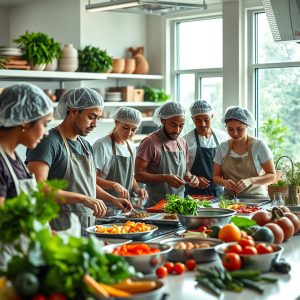
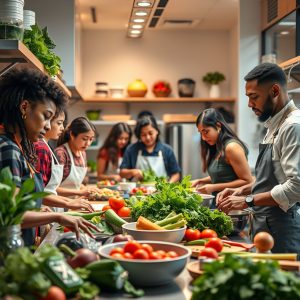
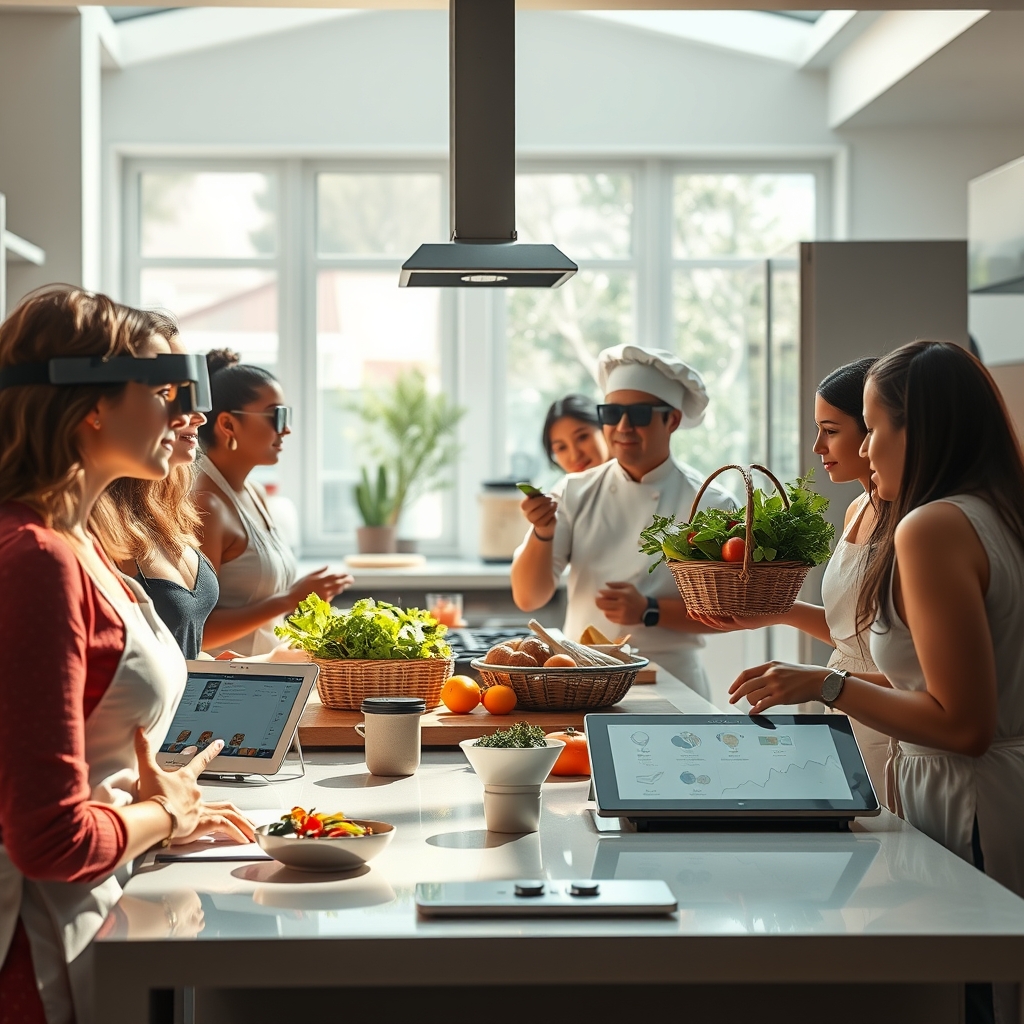
The days of passive cooking demonstrations are fading. Today’s interactive kitchen workshops prioritize hands-on learning, collaboration, and real-time feedback. Whether in-person or virtual, these sessions encourage participants to chop, stir, and season alongside instructors, fostering a sense of community and shared discovery. Some workshops even incorporate augmented reality (AR) to overlay step-by-step instructions onto a cook’s workspace, while others use live polling to adjust recipes on the fly based on participant input. The result? A dynamic, engaging learning environment where mistakes are celebrated as part of the process, and every session leaves cooks more confident and inspired.
Sustainable Ingredient Sourcing: Cooking with Conscience
As awareness of climate change and ethical consumption grows, so does the demand for sustainable ingredient sourcing. Culinary education is increasingly focusing on how to cook with ingredients that are not only delicious but also environmentally responsible. Workshops now teach foragers how to identify edible plants, chefs how to reduce food waste through nose-to-tail cooking, and home cooks how to select seasonal, locally grown produce. Some programs even partner with urban farms and regenerative agriculture initiatives to provide hands-on experience in sustainable food systems. By integrating these practices into culinary education, cooks learn to make choices that nourish both people and the planet.
Tech-Assisted Precision Cooking: Where Science Meets the Stove
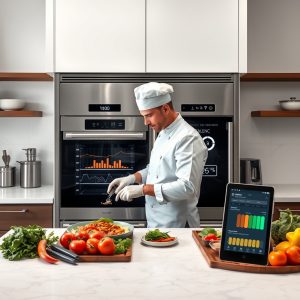
Precision is the hallmark of professional cooking, and technology is making it accessible to everyone. Tech-assisted precision cooking tools—like smart scales, sous-vide machines, and AI-powered recipe apps—are bridging the gap between amateur and expert. These innovations allow cooks to replicate restaurant-quality results at home by controlling variables like temperature, timing, and ingredient ratios with pinpoint accuracy. For example, a smart oven can adjust its heat in real time based on the moisture content of a roast, while a connected thermometer ensures perfect doneness every time. Meanwhile, apps like ChefSteps and SideChef offer step-by-step guidance, complete with video tutorials and voice commands. The result is a kitchen where science and intuition coexist, empowering cooks to push the boundaries of their skills.
Collaborative Recipe Development: Cooking as a Creative Collective
Cooking has always been a collaborative act—whether in professional kitchens or family gatherings. Today, collaborative recipe development is taking this idea to new heights, leveraging digital platforms to connect cooks from around the world. Online communities like Food52 and Reddit’s r/Cooking allow users to share, refine, and remix recipes in real time, while apps like Paprika enable seamless collaboration between friends and family. Some culinary schools are even adopting this model, tasking students with co-creating dishes that blend diverse cultural influences. This approach not only fosters creativity but also democratizes culinary innovation, ensuring that no single voice dominates the conversation. The kitchen becomes a melting pot of ideas, where tradition and experimentation coexist.
Mindful Food Preparation: The Art of Being Present
In a world of instant gratification, mindful food preparation offers a counterpoint—a way to slow down, savor the process, and reconnect with the act of cooking. This philosophy emphasizes presence, intention, and gratitude, transforming even the simplest tasks—like peeling a carrot or kneading dough—into meditative practices. Workshops on mindful cooking often incorporate elements of breathwork, sensory exercises, and even journaling to help participants stay grounded. The goal isn’t just to create a meal but to cultivate a deeper relationship with food, one that honors the ingredients, the effort, and the people who will enjoy the final dish. In doing so, cooks rediscover the joy of the process, not just the outcome.
Adaptive Cooking Workflows: Flexibility in the Kitchen
No two kitchens are the same, and neither are the people who cook in them. Adaptive cooking workflows recognize this diversity, offering flexible approaches to meal preparation that accommodate different skill levels, dietary needs, and time constraints. For example, a busy parent might use a modular meal-planning system that allows them to prep components in advance, while a professional chef might rely on a streamlined mise en place to maintain efficiency during service. Technology plays a key role here, with apps like Mealime and Yummly offering customizable meal plans that adapt to user preferences. By embracing adaptability, cooks can create workflows that work for them, rather than forcing themselves into rigid structures.
The kitchen of the future is not a place of rigid rules or unyielding traditions. Instead, it’s a dynamic space where technology and tradition coexist, where learning is immersive and collaborative, and where every meal is an opportunity to explore, create, and connect. As culinary education continues to evolve, one thing remains clear: the heart of cooking lies not in perfection, but in the joy of the journey. Whether you’re a seasoned chef or a curious beginner, the tools and techniques emerging today invite you to approach the stove with curiosity, creativity, and a willingness to embrace the unknown. After all, the best meals are not just those that nourish the body, but those that feed the soul.