
The Gourmet Revolution: How Global Fusion Cuisine and Next-Gen Ingredients Are Redefining Modern Dining
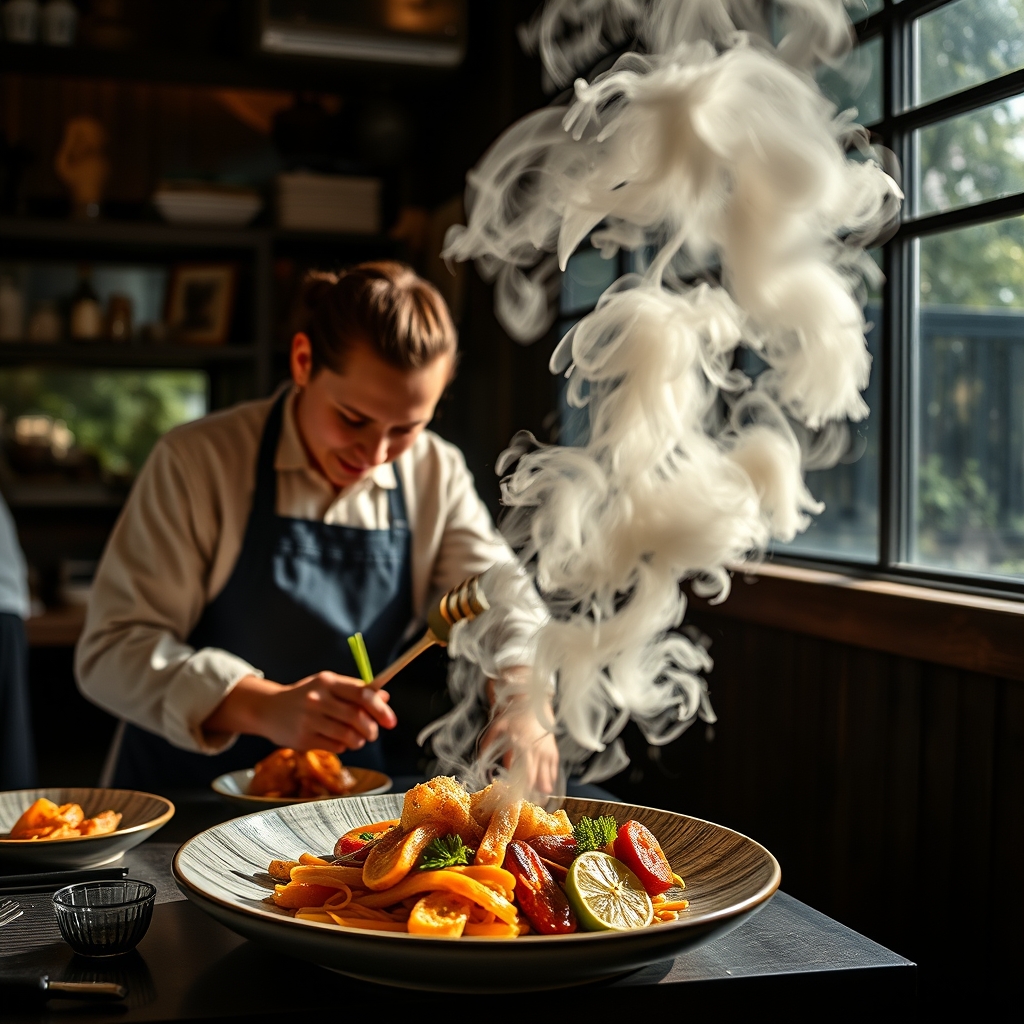
The culinary world is undergoing a seismic shift, where tradition meets innovation in the most unexpected ways. At the heart of this transformation is global fusion cuisine—a dynamic blend of flavors, techniques, and ingredients from diverse cultures that transcends borders. But what happens when this fusion is elevated by cutting-edge food trends like plant-based meat alternatives, algae-based proteins, and molecular gastronomy? The result is a dining experience that is as thought-provoking as it is delicious, challenging our perceptions of what food can be.
The Art of Global Fusion: Where Cultures Collide on the Plate
Global fusion cuisine is not a new concept, but its evolution has been nothing short of revolutionary. Chefs are no longer confined to the rules of a single culinary tradition; instead, they draw inspiration from a melting pot of influences. Imagine a dish where Japanese umami-rich dashi broth meets the smoky depth of Mexican chipotle, or where Indian spices infuse a classic French ratatouille. These combinations are not just about novelty—they’re about creating harmony between seemingly disparate flavors.
One standout example is the rise of smoked chili crisp in unexpected places. Originally a staple in Sichuan cuisine, this fiery, crunchy condiment has found its way into everything from avocado toast to gourmet tinned fish. Its versatility lies in its ability to add complexity and heat to dishes without overpowering them, making it a favorite among chefs experimenting with fusion flavors. Similarly, molecular gastronomy techniques, like spherification and foams, are being used to reimagine traditional dishes, turning them into interactive, multi-sensory experiences.
The Role of Next-Gen Ingredients in Fusion Cuisine
What truly sets modern fusion cuisine apart is its embrace of next-generation ingredients. Plant-based meat alternatives, for instance, are no longer just substitutes—they’re stars in their own right. Brands like Beyond Meat and Impossible Foods have paved the way for chefs to create dishes that mimic the texture and flavor of meat while appealing to flexitarians and vegans alike. Picture a Korean bulgogi made with plant-based beef, marinated in a blend of soy sauce, pear puree, and gochujang, then served with pickled daikon and sesame seeds. The result is a dish that honors tradition while pushing boundaries.
Algae-based proteins are another game-changer. Rich in nutrients and sustainable to produce, algae is being incorporated into everything from sushi rolls to pasta. Its mild, oceanic flavor pairs beautifully with bold spices and herbs, making it a versatile ingredient in fusion dishes. Meanwhile, upcycled food snacks—made from ingredients that would otherwise go to waste—are adding a layer of sustainability to global cuisine. Think banana peel