The Green Revolution on Your Plate: How Regenerative Agriculture Foods and Upcycled Snacks Are Shaping a Healthier Planet
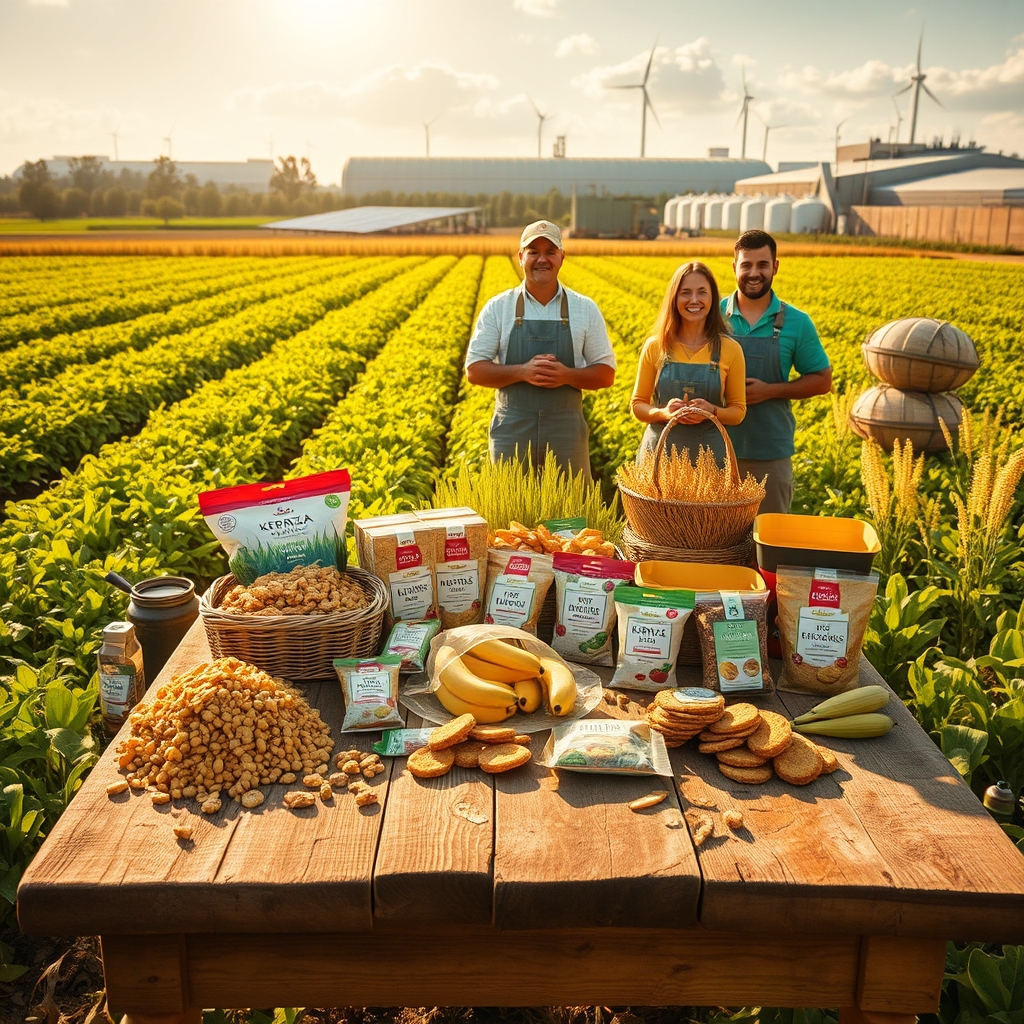
The modern food landscape is undergoing a seismic shift, one where sustainability isn’t just a buzzword but a guiding principle. At the heart of this transformation are regenerative agriculture foods and upcycled snacks—two movements that are redefining how we think about what we eat and its impact on the planet. These innovations aren’t just about reducing harm; they’re about actively healing the earth while delivering flavor, nutrition, and creativity to our tables.
The Roots of Regenerative Agriculture
Regenerative agriculture is more than a farming technique; it’s a philosophy that seeks to restore the health of our soils, ecosystems, and communities. Unlike conventional farming, which often depletes the land, regenerative practices like cover cropping, crop rotation, and reduced tillage work to rebuild soil organic matter, enhance biodiversity, and sequester carbon. The result? Foods that are not only nutrient-dense but also part of a larger solution to climate change.
Take, for example, the humble lentil. Grown using regenerative methods, lentils fix nitrogen in the soil, reducing the need for synthetic fertilizers and improving soil structure. Brands like Lentil Underground and Timeless Natural Food are leading the charge, offering products that are as good for the planet as they are for our bodies. Similarly, regenerative grains like Kernza—a perennial wheatgrass—are being used to create everything from flour to beer, offering a sustainable alternative to traditional wheat.
Why It Matters
The benefits of regenerative agriculture extend far beyond the farm. Healthier soils mean cleaner water, reduced erosion, and greater resilience to extreme weather. For consumers, it means access to foods that are richer in vitamins, minerals, and antioxidants. Studies have shown that crops grown in regenerative systems can have higher levels of beneficial compounds like polyphenols, which play a role in reducing inflammation and supporting overall health.
The Magic of Upcycled Snacks
If regenerative agriculture is about healing the land, upcycled snacks are about reimagining waste. Every year, millions of tons of food byproducts—think fruit peels, spent grain from breweries, and vegetable scraps—end up in landfills, where they contribute to greenhouse gas emissions. Upcycling transforms these overlooked ingredients into delicious, nutrient-packed snacks, reducing waste and creating new economic opportunities.
Companies like ReGrained are turning brewer’s spent grain into high-protein snack bars, while Pulp Pantry transforms juice pulp into crispy, fiber-rich chips. Even coffee grounds, a common waste product, are being repurposed into everything from flour to energy bars. These innovations aren’t just eco-friendly; they’re also packed with flavor and nutrition, proving that sustainability and indulgence can go hand in hand.
The Science of Upcycling
Upcycling isn’t just about creativity; it’s also about science. Food scientists are developing new techniques to preserve the nutritional value of byproducts while enhancing their taste and texture. For example, freeze-drying is being used to create lightweight, shelf-stable snacks from surplus fruits and vegetables, while fermentation is unlocking new flavors and probiotic benefits from food waste. These methods not only reduce waste but also create products that are often more nutritious than their conventional counterparts.
A Symbiotic Relationship
Regenerative agriculture and upcycled snacks are two sides of the same coin. Both movements prioritize sustainability, innovation, and a deep respect for the planet’s resources. When combined, they create a powerful synergy: regenerative farming produces high-quality ingredients, while upcycling ensures that every part of those ingredients is used to its fullest potential. The result is a food system that is not only more sustainable but also more resilient and equitable.
Consider the story of Barnana, a company that upcycles imperfect bananas—those that would otherwise go to waste—into chewy, potassium-rich snacks. By sourcing from regenerative farms, Barnana ensures that its products are not only delicious but also part of a larger effort to support sustainable agriculture. Similarly, brands like Wtrmln Wtr are turning watermelon rinds, a byproduct of juice production, into hydrating, electrolyte-rich beverages, further closing the loop on food waste.
The Role of Consumers
As consumers, we hold immense power in shaping the future of food. By choosing products that prioritize regenerative agriculture and upcycling, we can support a system that values sustainability, transparency, and innovation. It’s not just about what we eat but how our food is grown, produced, and brought to market. Every purchase is a vote for the kind of world we want to live in—one where food is a force for good, nourishing both our bodies and the planet.
The Future of Food Is Here
The rise of regenerative agriculture and upcycled snacks is a testament to the ingenuity and resilience of the food industry. These movements are proving that sustainability doesn’t have to come at the expense of flavor, convenience, or affordability. In fact, they’re showing that the most innovative foods are often the ones that are kindest to the earth. From farm to fork, the future of food is being rewritten, one delicious bite at a time.
As we look ahead, it’s clear that the choices we make today will shape the food system of tomorrow. Whether it’s opting for a snack made from upcycled ingredients or supporting a farm that practices regenerative agriculture, every decision counts. The green revolution isn’t just coming—it’s already here, and it’s inviting us all to be part of the change. By embracing these innovations, we’re not just feeding ourselves; we’re nourishing the planet and ensuring that future generations can enjoy a world where food is abundant, sustainable, and full of flavor.