
The Future of Food: Innovative Trends Redefining What We Eat in 2024
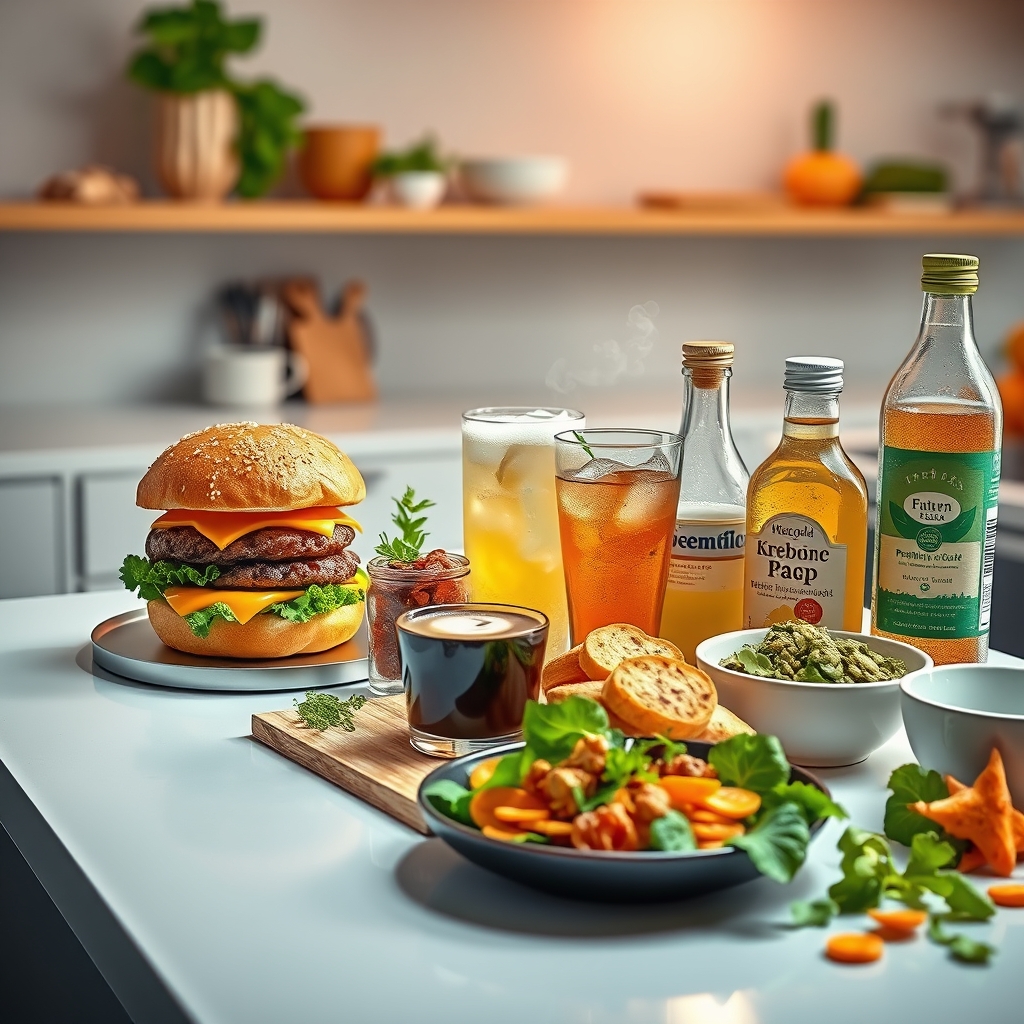
The culinary world is undergoing a revolution, driven by sustainability, health consciousness, and a relentless pursuit of flavor. From lab-grown proteins to upcycled snacks, the way we think about food is evolving at an unprecedented pace. These innovations aren’t just passing fads—they’re reshaping our plates, our palates, and even our planet. Let’s explore some of the most exciting trends that are defining the future of food.
The Rise of Plant-Based and Cell-Cultured Meat Alternatives
Gone are the days when plant-based burgers were a sad, dry afterthought for vegetarians. Today’s meat alternatives are so advanced that they’re fooling even the most devoted carnivores. Companies like Beyond Meat and Impossible Foods have perfected the art of mimicking meat’s texture, juiciness, and umami flavor, using ingredients like pea protein, beet juice, and coconut oil. But the innovation doesn’t stop there.
Cell-cultured meat, also known as lab-grown or cultivated meat, is pushing boundaries even further. By growing animal cells in a controlled environment, startups like Upside Foods and Aleph Farms are creating real meat without the ethical and environmental costs of traditional livestock farming. While still in its early stages, cell-cultured meat has the potential to revolutionize the industry by offering a sustainable, cruelty-free alternative that doesn’t compromise on taste or nutrition.
Why It Matters
The environmental impact of conventional meat production is staggering—livestock farming accounts for nearly 15% of global greenhouse gas emissions. Plant-based and cell-cultured meats offer a way to significantly reduce this footprint while still satisfying the world’s growing demand for protein. As these technologies become more affordable and accessible, they could play a crucial role in combating climate change.
Functional Beverages: More Than Just a Drink
Forget sugary sodas and artificial energy drinks—the beverage aisle is getting a functional upgrade. Today’s drinks are designed to do more than quench thirst; they’re packed with ingredients that boost immunity, enhance focus, and promote gut health. Leading the charge are functional mushroom beverages, which harness the power of adaptogens like lion’s mane, reishi, and chaga to support cognitive function, reduce stress, and improve overall well-being.
Adaptogenic coffee blends are another standout in this category. By combining traditional coffee with herbs like ashwagandha, rhodiola, and maca, these blends offer a smoother, jitter-free energy boost while helping the body adapt to stress. Meanwhile, fermented probiotic drinks like kombucha and kefir are gaining popularity for their gut-friendly benefits, offering a tangy, effervescent alternative to conventional soft drinks.
The Science Behind the Trend
Functional beverages are rooted in centuries-old traditions, from Ayurvedic herbs to traditional Chinese medicine. Modern science is now validating these practices, with studies showing that adaptogens can help regulate cortisol levels, improve mental clarity, and even support immune function. As consumers become more health-conscious, the demand for beverages that offer both refreshment and wellness benefits is only expected to grow.
Zero-Waste Cooking and Upcycled Foods: Turning Scraps into Gold
Food waste is one of the biggest challenges facing the global food system, with nearly one-third of all food produced ending up in landfills. But a new wave of chefs and food innovators is turning this problem into an opportunity through zero-waste cooking and upcycled foods. Zero-waste cooking is all about using every part of an ingredient, from root to stem, to create delicious, nutrient-rich meals. Think carrot-top pesto, broccoli-stem slaw, or citrus-peel candies—dishes that celebrate the often-overlooked parts of produce.
Upcycled foods take this concept a step further by transforming food byproducts into new, marketable products. Companies like ReGrained and Barnana are leading the charge, turning spent grain from beer brewing and imperfect bananas into nutritious snacks like granola bars and banana chips. Even high-end restaurants are getting in on the action, with chefs like Dan Barber of Blue Hill at Stone Barns creating entire menus from food scraps and surplus ingredients.
The Environmental and Economic Impact
Upcycling food isn’t just good for the planet—it’s also a smart business move. By repurposing byproducts that would otherwise go to waste, companies can reduce their production costs and create new revenue streams. For consumers, upcycled foods offer a way to enjoy delicious snacks while supporting a more sustainable food system. As awareness of food waste grows, this trend is poised to become a mainstream movement.
Global Fusion Cuisine: A World of Flavors on Your Plate
In today’s interconnected world, culinary boundaries are blurring like never before. Global fusion cuisine is taking center stage, blending flavors, techniques, and ingredients from different cultures to create bold, innovative dishes. From Korean-Mexican tacos to Japanese-Peruvian ceviche, these culinary mashups are redefining what it means to eat globally.
One of the most exciting developments in this space is the rise of gourmet tinned fish. Once relegated to the back of the pantry, canned seafood is now a gourmet staple, with brands like Ortiz and Conservas de Cambados offering high-quality, sustainably sourced options like smoked trout, octopus in olive oil, and sardines in spicy tomato sauce. These tinned delicacies are perfect for quick, flavorful meals that don’t skimp on quality.
The Art of Fusion
Successful fusion cuisine is about more than just throwing together random ingredients—it’s about understanding the nuances of each culture’s flavors and techniques. Chefs who master this art create dishes that feel both familiar and exciting, offering a taste of the world in every bite. As travel becomes more accessible and cultural exchange continues to flourish, global fusion cuisine is set to become a defining feature of modern dining.
Sweet Innovations: The Future of Desserts
Desserts are getting a high-tech makeover, with innovations that cater to health-conscious sweet tooths. High-protein ice cream, for example, is making waves among fitness enthusiasts, offering a creamy, indulgent treat without the guilt. Brands like Halo Top and Nick’s are leading the charge, using ingredients like whey protein and erythritol to create low-sugar, high-protein alternatives to traditional ice cream.
Freeze-dried candy is another trend gaining traction, offering a crunchy, intense burst of flavor in every bite. By removing the water content from fruits and candies, freeze-drying preserves their natural sweetness and nutrients while creating a unique texture. Meanwhile, dehydrated fruit snacks are providing a convenient, shelf-stable way to enjoy nature’s candy without added sugars or preservatives.
These innovations are proof that you don’t have to sacrifice flavor for health. Whether you’re craving something creamy, crunchy, or chewy, there’s a dessert trend out there to satisfy every craving—without the sugar crash.
The food landscape of 2024 is a testament to human ingenuity, blending tradition with cutting-edge technology to create a more sustainable, health-conscious, and delicious future. As these trends continue to evolve, one thing is clear: the way we eat is changing, and the possibilities are endless. Whether you’re a curious home cook or a seasoned foodie, there’s never been a more exciting time to explore the world of food.