
The Evolution of Luxury Hotel Dining: Where Michelin-Starred Innovation Meets Hyper-Local Artistry
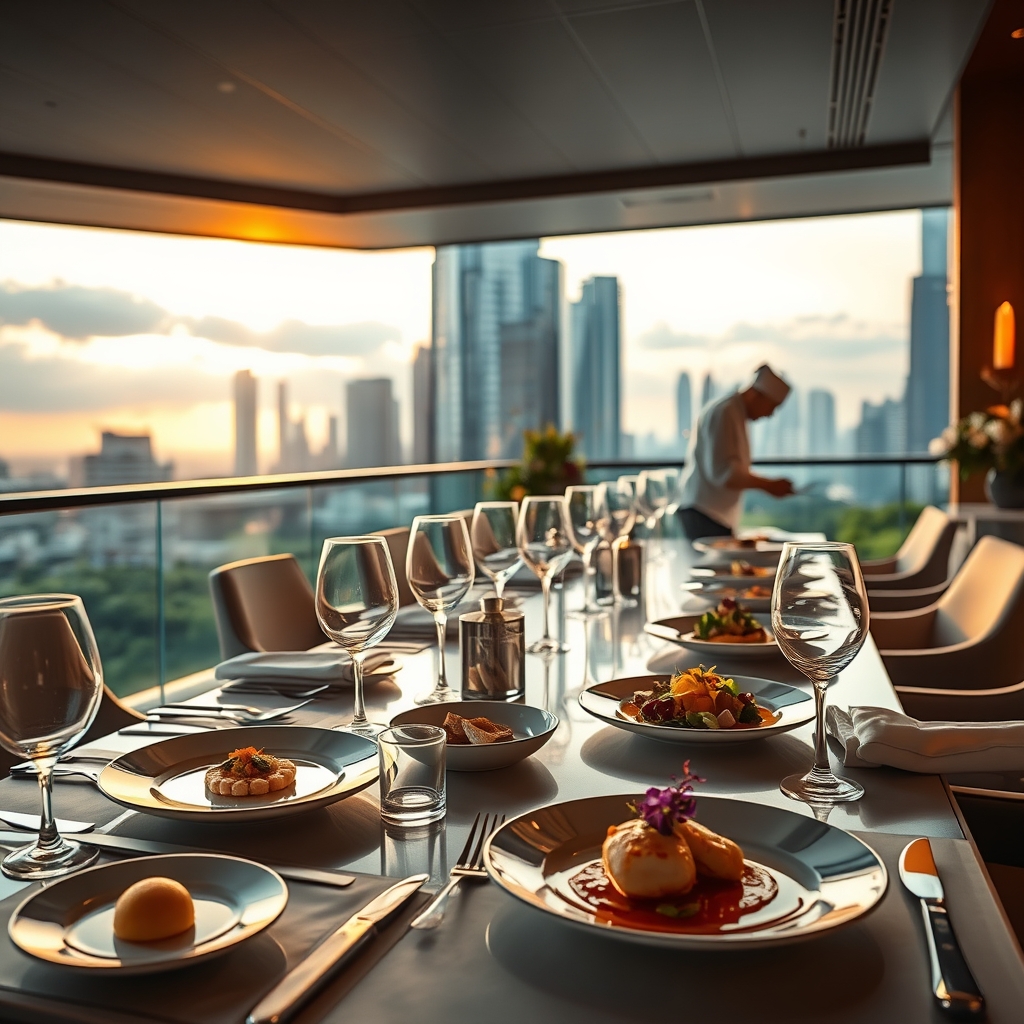
The modern traveler seeks more than just a place to rest—they crave an experience that tantalizes the senses, tells a story, and leaves a lasting impression. Nowhere is this desire more vividly expressed than in the realm of luxury hotel dining, where the boundaries between gourmet innovation and hyper-local authenticity are not just blurred but redefined. Today’s elite establishments are transforming their culinary offerings into immersive journeys that celebrate the essence of place, season, and craftsmanship, all while maintaining the unparalleled standards of Michelin-starred excellence.
The Rise of the Culinary Curator
Gone are the days when hotel dining was an afterthought, a convenient but uninspired option for weary guests. In its place stands a new era of culinary curation, where executive chefs and food and beverage directors act as storytellers, weaving narratives that reflect the hotel’s locale, history, and ethos. These culinary curators are not just chefs; they are historians, foragers, and artists who collaborate with local farmers, fishermen, and artisans to source ingredients that are as fresh as they are meaningful. The result? Menus that are not just delicious but deeply connected to the land and culture from which they spring.
Take, for example, a boutique hotel nestled in the vineyards of Tuscany, where the chef partners with nearby olive groves and truffle hunters to create dishes that capture the region’s rustic elegance. Or consider a five-star urban retreat in Tokyo, where the tasting menu features hyper-local ingredients like sansai (mountain vegetables) and koshihikari rice, paired with sake from a family-owned brewery just hours away. These are not just meals; they are love letters to the places they represent, crafted with precision and passion.
The Fusion of Tradition and Innovation
While hyper-local sourcing forms the backbone of modern luxury hotel dining, it is the fusion of tradition with cutting-edge innovation that truly sets these experiences apart. Chefs are increasingly drawing inspiration from global culinary trends, infusing classic techniques with unexpected twists to create dishes that surprise and delight. Molecular gastronomy, once the domain of avant-garde restaurants, now finds its way onto hotel menus, where it is used not as a gimmick but as a tool to elevate flavor and presentation to new heights.
Imagine a rooftop lounge in Dubai, where the skyline stretches endlessly before you, and the menu offers a playful yet refined take on Middle Eastern cuisine. Here, you might find hummus reimagined as a delicate foam, served alongside crispy falafel spheres and a drizzle of pomegranate molasses reduction. Or picture a wellness-focused hotel in Bali, where plant-based fine dining takes center stage, with dishes like jackfruit rendang served in a coconut shell, accompanied by a turmeric-infused consommé that glows like liquid gold. These are not just meals; they are edible works of art that challenge the palate and ignite the imagination.
The Art of the Tasting Menu
At the heart of this culinary revolution lies the tasting menu, a format that has evolved from a simple progression of dishes into a carefully choreographed performance. Luxury hotels are embracing this format not just for its ability to showcase a chef’s skill but for its power to create a narrative that unfolds with each course. A well-crafted tasting menu is a journey—one that might begin with a delicate amuse-bouche inspired by the morning’s catch and culminate in a decadent dessert that pays homage to the region’s most beloved sweet treat.
What makes these tasting menus truly exceptional is their ability to balance familiarity with innovation. A dish might feature a classic ingredient, such as truffle or caviar, but present it in a way that feels entirely new. For instance, a Michelin-starred hotel in Paris might serve a deconstructed version of coq au vin, where the flavors of the iconic dish are reimagined as a velvety foam, a crispy chicken skin tuile, and a gelée of red wine reduction. The result is a dish that honors tradition while pushing the boundaries of what fine dining can be.
The Role of Sustainability in Shaping the Future
No discussion of modern luxury hotel dining would be complete without addressing the growing emphasis on sustainability. Today’s discerning diners are not just looking for exquisite flavors; they are also seeking assurance that their meal has been sourced and prepared with care for the environment. Luxury hotels are rising to this challenge by adopting practices that minimize waste, support local communities, and prioritize ethical sourcing. From zero-waste kitchens to partnerships with regenerative farms, these establishments are proving that sustainability and opulence are not mutually exclusive.
Consider a farm-to-table restaurant within a luxury hotel in California’s Napa Valley, where the menu changes daily based on what is harvested from the on-site garden. Here, guests might enjoy a salad of heirloom tomatoes and edible flowers, followed by a main course of grass-fed beef raised on a nearby ranch. Even the wine list is curated to highlight local vintners who practice sustainable viticulture. This commitment to sustainability is not just a trend; it is a fundamental shift in how luxury dining is conceived and executed.
The Personal Touch: Bespoke Dining Experiences
In an age where personalization is king, luxury hotels are taking bespoke dining to new heights. No longer satisfied with a one-size-fits-all approach, guests are seeking experiences tailored to their preferences, dietary restrictions, and even moods. Hotels are responding by offering everything from private chef dinners in-room to interactive cooking classes where guests can learn to prepare their favorite dishes alongside the hotel’s executive chef. These personalized touches transform dining from a mere necessity into a highlight of the stay.
For example, a guest with a passion for Japanese cuisine might be treated to a private omakase experience in their suite, where the chef prepares a multi-course meal using ingredients sourced that morning from Tokyo’s famed Tsukiji Market. Alternatively, a couple celebrating an anniversary could enjoy a romantic dinner on a secluded terrace, where the menu is designed around their favorite flavors and paired with wines from the hotel’s sommelier-selected cellar. These moments are not just about the food; they are about creating memories that linger long after the last bite.
The Future of Luxury Hotel Dining
As the world of luxury hotel dining continues to evolve, one thing is clear: the future belongs to those who can seamlessly blend innovation with authenticity, opulence with sustainability, and personalization with artistry. The most successful establishments will be those that understand dining is not just about nourishment but about connection—connection to place, to culture, to the people who grow and prepare the food, and to the guests who savor each bite. In this new era, every meal is an opportunity to tell a story, to create a moment, and to leave a lasting impression that transcends the plate.
The next time you find yourself in a luxury hotel, take a moment to explore its dining offerings with fresh eyes. Whether it’s a rooftop lounge with panoramic views, a farm-to-table restaurant with a garden-to-plate philosophy, or a chef’s tasting menu that reads like a love letter to the region, you’re not just eating—you’re experiencing the very best of what the world has to offer, one exquisite bite at a time.