
The New Era of Conscious Snacking: How Upcycled, Algae-Based, and Functional Foods Are Redefining Munching
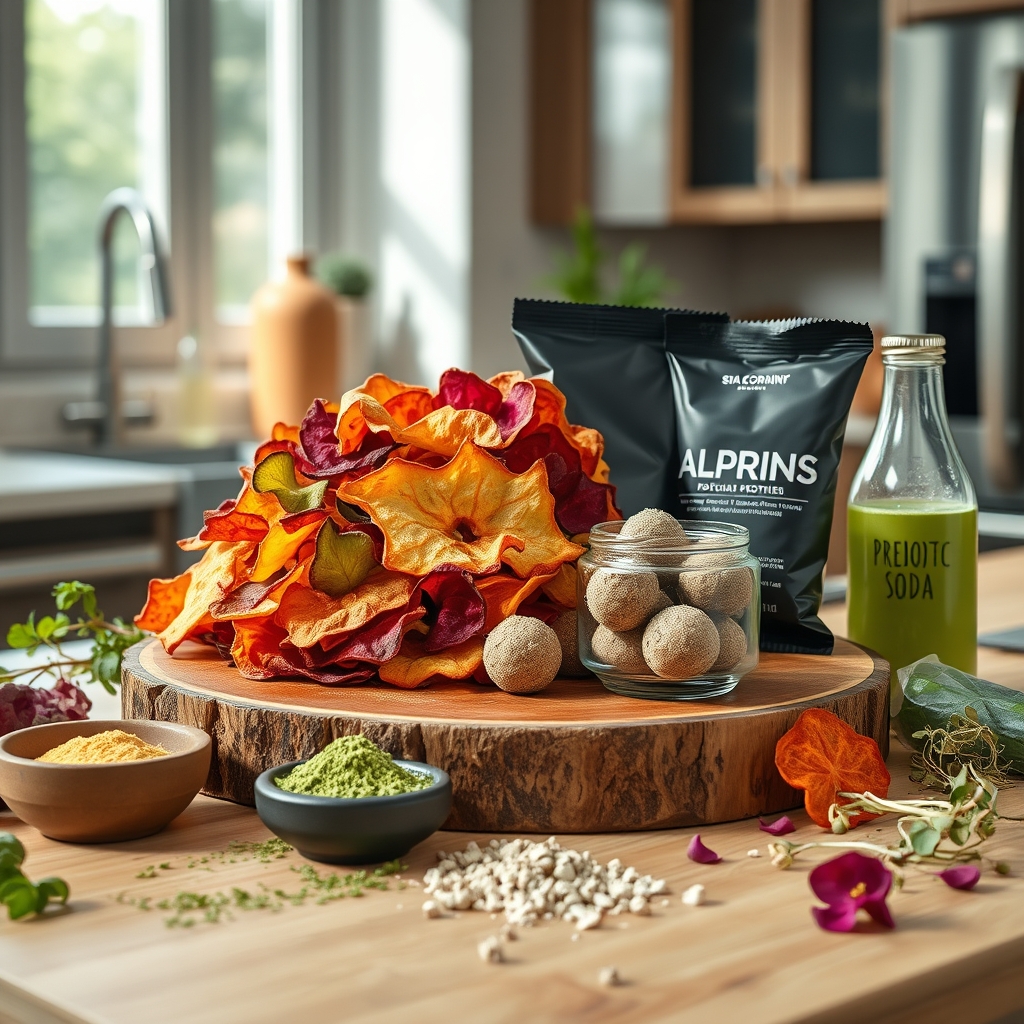
The snack aisle is undergoing a quiet revolution, one where sustainability, nutrition, and bold flavors collide to create a new paradigm of conscious munching. Gone are the days when snacks were merely guilty pleasures or empty calories. Today, they are powerhouses of innovation, packed with upcycled ingredients, algae-based proteins, and functional benefits that cater to both the body and the planet. This shift isn’t just about what we eat—it’s about how we think about food, waste, and wellness in a world that demands more from every bite.
The Upcycled Food Movement: Turning Waste into Flavor
Upcycled food snacks are at the forefront of this transformation, turning what was once considered waste into delicious, nutrient-dense treats. Imagine biting into a crispy chip made from spent grain left over from beer brewing, or savoring a chocolate bar crafted from discarded fruit pulp. These aren’t just novelties; they’re a testament to human ingenuity in reducing food waste while delivering flavor and nutrition. Companies like ReGrained and Barnana are leading the charge, proving that sustainability and indulgence can go hand in hand. The upcycled food movement isn’t just a trend—it’s a fundamental rethinking of how we value ingredients, where every scrap has the potential to become something extraordinary.
The Science Behind Upcycling
Upcycling isn’t just about repurposing leftovers; it’s a science. Food scientists and chefs collaborate to identify underutilized byproducts—like coffee cherry pulp, vegetable trimmings, or even nut shells—and transform them into high-value ingredients. For example, the fibrous remnants of juiced fruits and vegetables are dehydrated and ground into nutrient-rich powders, which are then incorporated into snacks like energy bars or crackers. This process not only reduces waste but also enhances the nutritional profile of the final product, often adding fiber, vitamins, and antioxidants that would otherwise be lost. The result? Snacks that are as good for the planet as they are for your taste buds.
Algae-Based Proteins: The Sustainable Superfood
Algae-based proteins are another game-changer in the world of conscious snacking. Often overlooked, algae are one of the most sustainable sources of protein on the planet, requiring minimal resources to grow and producing a fraction of the carbon emissions associated with traditional livestock farming. Brands like Sophie’s Kitchen and New Wave Foods are harnessing the power of algae to create plant-based seafood alternatives, protein bars, and even dairy-free cheeses. Rich in omega-3 fatty acids, vitamins, and minerals, algae-based snacks offer a nutritional punch that rivals conventional options, all while being kinder to the environment.
Why Algae?
Algae’s sustainability credentials are unmatched. Unlike soy or pea protein, which require vast amounts of land and water, algae can be cultivated in vertical farms or even in open ponds, using saltwater or wastewater. This makes it an ideal candidate for large-scale, eco-friendly protein production. Additionally, algae grow rapidly, with some species doubling their biomass in just a few hours. This efficiency means that algae-based snacks can be produced with a significantly lower environmental footprint than their animal-based or even plant-based counterparts. As climate concerns continue to shape consumer choices, algae-based proteins are poised to become a staple in the snack aisle.
Functional Snacks: Eating for Wellness, One Bite at a Time
The rise of functional snacks reflects a broader shift toward foods that do more than just satisfy hunger—they enhance well-being. From adaptogenic energy balls infused with reishi mushrooms to prebiotic sodas that support gut health, these snacks are designed to deliver targeted benefits, whether it’s improved focus, reduced stress, or better digestion. Brands like Four Sigmatic and Olipop are leading the charge, blending ancient wisdom with modern science to create snacks that are as nourishing as they are delicious.
The Power of Adaptogens and Probiotics
Adaptogens—herbs and mushrooms known for their stress-relieving properties—are making their way into everything from coffee blends to chocolate-covered bites. Ingredients like ashwagandha, lion’s mane, and cordyceps are being incorporated into snacks to help consumers manage stress, boost cognitive function, and even enhance physical performance. Meanwhile, probiotic-rich snacks, such as fermented vegetable chips or kombucha-infused gummies, are gaining popularity for their gut-health benefits. These functional ingredients aren’t just add-ons; they’re becoming the stars of the show, transforming snacks into tools for holistic wellness.
The Future of Snacking: A Blend of Innovation and Responsibility
The snacking landscape is evolving, driven by a growing awareness of the environmental and health impacts of our food choices. Upcycled ingredients, algae-based proteins, and functional benefits are no longer niche concepts—they’re becoming mainstream expectations. As consumers demand more from their snacks, brands are rising to the challenge, creating products that are not only delicious but also sustainable, nutritious, and innovative. This new era of conscious snacking isn’t just about what we eat; it’s about how we live, how we care for the planet, and how we nourish our bodies in a way that aligns with our values. The next time you reach for a snack, consider this: every bite is an opportunity to make a difference, one delicious, responsible choice at a time.