The Art of Slow Dining: How Luxury Hotels Are Championing Mindful Gourmet Experiences with Hyper-Local Philosophy
In an era where fast-paced living often dictates our choices, luxury hotels are carving out sanctuaries of slow dining—spaces where every bite is an invitation to pause, savor, and connect. This movement transcends the mere act of eating; it’s a celebration of craftsmanship, seasonality, and the stories behind each ingredient. From the misty highlands of Scotland to the sun-drenched vineyards of Tuscany, hotels are redefining gourmet cuisine by embracing a philosophy that honors time, place, and the hands that nurture the land.
The Philosophy of Slow Dining
Slow dining is more than a trend—it’s a rebellion against the disposable nature of modern food culture. Luxury hotels are leading this charge by designing menus that unfold like a narrative, where each course is a chapter in a larger story. The emphasis is on quality over quantity, with chefs forging direct relationships with local farmers, fishermen, and artisans. These partnerships ensure that ingredients are not just fresh but imbued with the essence of their origin. A dish of hand-dived scallops from the Hebrides or heirloom tomatoes from a family-run farm in Provence isn’t just food; it’s a testament to the land’s rhythm and the people who steward it.
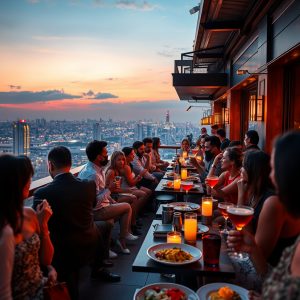
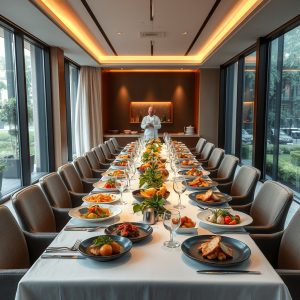
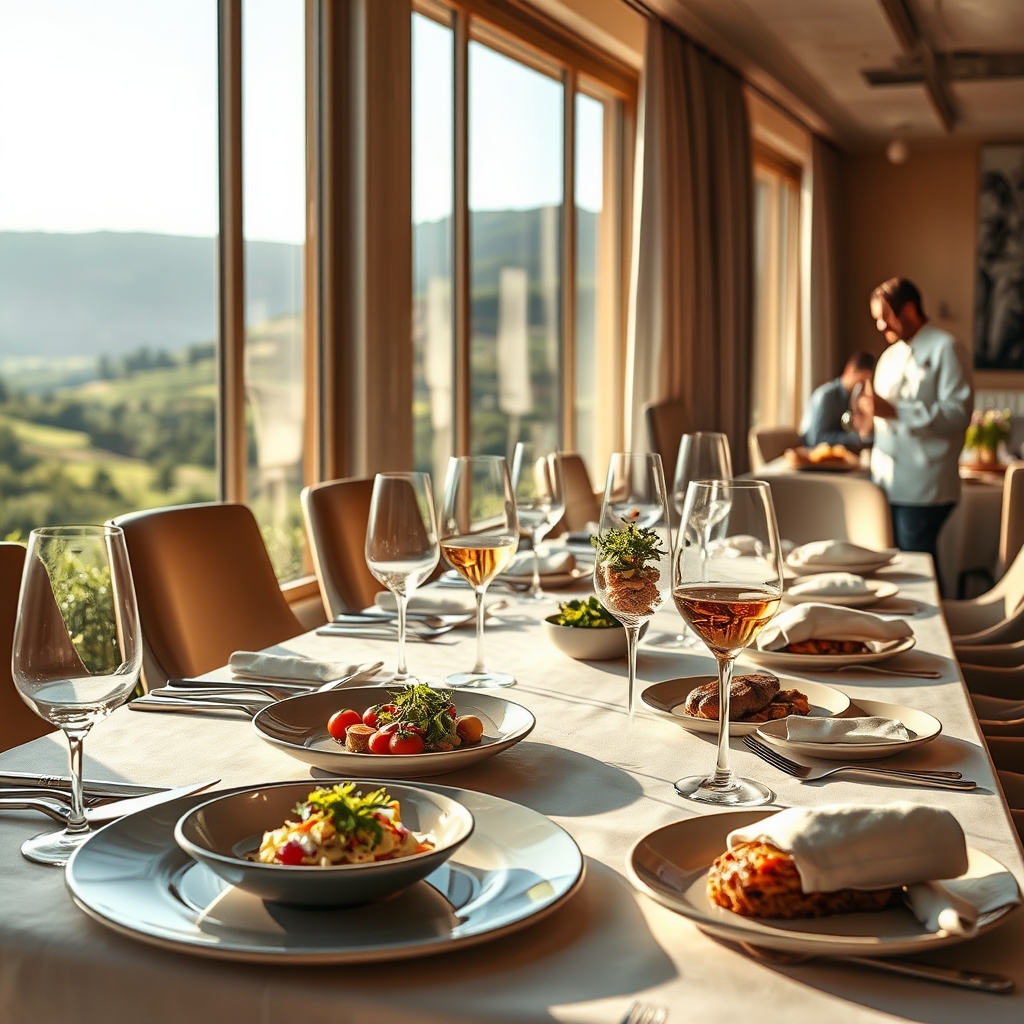
This approach also extends to the dining experience itself. Meals are no longer rushed affairs but leisurely journeys that engage all the senses. Tables are set with heirloom silverware, hand-blown glassware, and linens that whisper of craftsmanship. Service is intuitive yet unobtrusive, allowing guests to linger over a glass of natural wine or a perfectly aged cheese without the pressure of a ticking clock. The goal is to create a space where diners can escape the noise of the outside world and immerse themselves in the present moment.
The Role of Hyper-Local Ingredients
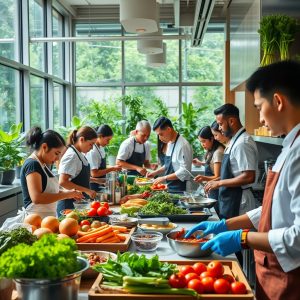
At the heart of slow dining lies a deep commitment to hyper-local sourcing. Luxury hotels are increasingly turning to their immediate surroundings to inspire their menus, transforming their kitchens into stages for the region’s culinary heritage. In coastal properties, this might mean featuring line-caught fish served within hours of being landed, while in rural retreats, it could involve foraged mushrooms or herbs plucked from the hotel’s own gardens. The result is a dining experience that is as unique as the landscape itself.
Take, for example, a boutique hotel nestled in the rolling hills of Napa Valley. Here, the chef’s tasting menu might begin with a delicate amuse-bouche of compressed melon and prosciutto, sourced from a nearby farm where pigs are raised on a diet of grape pomace. The next course could feature Dungeness crab, steamed in a court bouillon infused with local citrus, followed by a main of grass-fed beef from a ranch just miles away. Each dish is a love letter to the region, a reminder that the best flavors are often those that travel the shortest distance from soil to plate.
This hyper-local focus also fosters sustainability. By sourcing ingredients within a 50-mile radius, hotels reduce their carbon footprint while supporting local economies. It’s a win-win that aligns with the growing demand for transparency in food sourcing. Guests are no longer satisfied with vague terms like “farm-fresh” or “sustainably sourced”; they want to know the name of the farmer, the story of the farm, and the journey of the ingredient from seed to plate.
The Rise of the Chef’s Table Experience
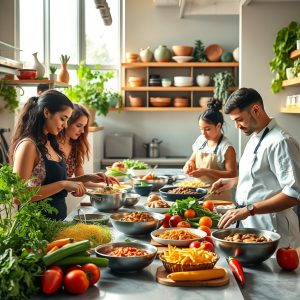
For those seeking an even deeper connection to their meal, many luxury hotels now offer chef’s table experiences. These intimate gatherings, often held in the heart of the kitchen, allow guests to witness the alchemy of slow dining firsthand. Chefs share their inspiration, techniques, and the stories behind each dish, transforming the meal into a masterclass in culinary artistry. It’s a rare opportunity to see the passion and precision that goes into crafting a tasting menu, from the delicate plating of a single edible flower to the careful balance of flavors in a reduction.
These experiences are often paired with wine or spirit pairings, curated by sommeliers who share the same hyper-local ethos. A glass of orange wine from a nearby vineyard or a small-batch gin infused with foraged botanicals becomes an extension of the meal, a liquid expression of the region’s terroir. The result is a symphony of flavors that lingers long after the last bite.
The Future of Slow Dining in Luxury Hotels
As the world becomes increasingly interconnected, the appeal of slow dining lies in its ability to ground us in the present. Luxury hotels are recognizing this and doubling down on their commitment to mindful gourmet experiences. The future of this movement will likely see even greater integration of wellness, with menus designed not just to delight the palate but to nourish the body and soul. Think dishes rich in adaptogens, fermented foods, and plant-based proteins, all sourced with the same hyper-local care as their more indulgent counterparts.
Technology, too, will play a role, albeit subtly. Augmented reality menus could allow diners to explore the journey of their ingredients, while AI-driven personalization might tailor dishes to individual dietary needs without compromising on flavor or creativity. Yet, at its core, slow dining will remain a deeply human experience—one that celebrates the art of connection, whether it’s between guest and chef, diner and farmer, or simply the eater and the earth.
In a world that often feels fragmented, the slow dining movement offers a reminder of what it means to truly savor. It’s not just about the food on the plate but the stories it tells, the hands that prepared it, and the moments it creates. Luxury hotels are not just serving meals; they’re crafting memories, one mindful bite at a time. And in doing so, they’re redefining what it means to dine well—not just for the body, but for the soul.