
The Ocean’s Pantry: How Gourmet Tinned Fish, Algae-Based Proteins, and Upcycled Seafood Snacks Are Redefining Sustainable Gourmet
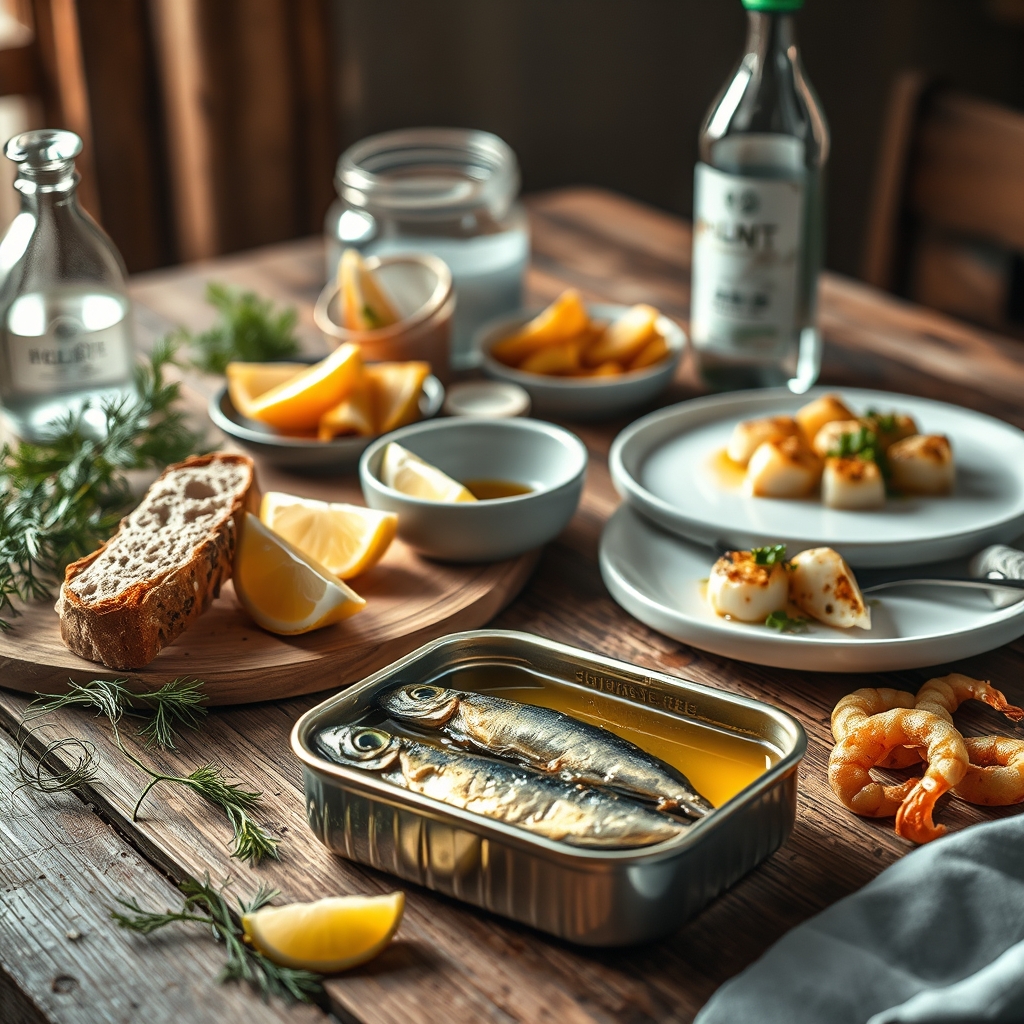
The tide is turning in the culinary world, and it’s bringing with it a wave of innovation that marries sustainability with gourmet indulgence. As consumers become increasingly conscious of the environmental impact of their food choices, the spotlight has shifted to the ocean’s bounty—not just as a source of sustenance, but as a frontier for cutting-edge gastronomy. From the humble tin to the high-tech lab, seafood is undergoing a transformation that challenges our perceptions of flavor, ethics, and the future of food.
The Rise of Gourmet Tinned Fish: A Luxury in a Can
Tinned fish has long been a pantry staple, but in recent years, it has shed its utilitarian image to emerge as a symbol of gourmet sophistication. Brands like Ortiz, Conservas de Cambados, and Fishwife are elevating canned seafood to new heights, offering products that are sustainably sourced, artisanal, and packed with flavor. These aren’t your average sardines in oil; we’re talking about Spanish mackerel in escabeche, Portuguese octopus in olive oil, and smoked trout with lemon and herbs. The appeal lies not just in the convenience but in the craftsmanship—each tin is a testament to traditional preservation techniques meeting modern culinary artistry.
What makes gourmet tinned fish particularly compelling is its sustainability credentials. Many of these products are sourced from small-scale fisheries that prioritize responsible practices, ensuring that marine ecosystems remain healthy for generations to come. For the eco-conscious foodie, a well-stocked pantry of tinned fish is both a statement of values and a gateway to effortless, restaurant-quality meals. Pair a tin of smoked mussels with crusty bread and a glass of crisp white wine, and you have a dish that feels luxurious without the environmental guilt.
Algae-Based Proteins: The Next Frontier in Sustainable Seafood
While tinned fish offers a nod to tradition, algae-based proteins are pushing the boundaries of what seafood can be. Algae, often overlooked as mere pond scum, is emerging as a powerhouse ingredient in the quest for sustainable protein. Rich in essential amino acids, omega-3 fatty acids, and vitamins, algae is not only nutritious but also incredibly efficient to cultivate. Unlike traditional agriculture, algae farming requires minimal land, water, and resources, making it one of the most eco-friendly protein sources on the planet.
Companies like Sophie’s Bionutrients and Algenuity are leading the charge, developing algae-based ingredients that mimic the texture and flavor of seafood. From algae-based shrimp to fish-free tuna, these innovations are designed to appeal to both vegetarians and seafood lovers alike. The potential is staggering: algae could help alleviate the pressure on overfished oceans while providing a scalable solution to global food insecurity. As these products become more refined, they’re poised to make their way into everything from plant-based sushi to algae-infused protein bars, offering a taste of the ocean without the environmental cost.
Upcycled Seafood Snacks: Turning Waste into Flavor
The concept of upcycling—transforming food byproducts into high-value products—has gained traction in recent years, and seafood is no exception. The seafood industry generates a significant amount of waste, from fish heads and bones to shells and trimmings. Rather than discarding these byproducts, innovative companies are finding ways to repurpose them into delicious, nutrient-dense snacks. For example, Barnacle Foods turns bull kelp, a fast-growing seaweed, into savory snacks like kelp pickles and hot sauce, while companies like Cajú Love use cashew fruit (a byproduct of cashew nut production) to create seafood-inspired seasonings and jerky.
One of the most exciting developments in this space is the rise of fish skin chips. Traditionally discarded as waste, fish skins are now being transformed into crispy, protein-packed snacks. Brands like Scout Canning and The Fishwife offer fish skin chips in flavors like chili-lime and smoked paprika, providing a crunchy alternative to traditional potato chips. These snacks not only reduce food waste but also offer a unique umami flavor that’s hard to resist. As the upcycled food movement grows, we can expect to see even more creative uses for seafood byproducts, turning what was once waste into a gourmet experience.
The Global Fusion of Seafood: A Culinary Adventure
The ocean’s pantry is vast and diverse, and chefs around the world are drawing inspiration from its depths to create dishes that blend global flavors with sustainable seafood. Global fusion cuisine is all about breaking down culinary borders, and seafood is the perfect medium for this experimentation. Imagine a Japanese-inspired ceviche made with sustainably sourced scallops, marinated in yuzu and served with avocado mousse. Or a Korean-style tinned mackerel banchan, where the fish is paired with gochujang and served alongside steamed rice. These dishes are a celebration of cultural exchange, proving that sustainability and creativity go hand in hand.
One of the most exciting trends in global fusion seafood is the use of lesser-known species. As overfishing threatens popular varieties like tuna and salmon, chefs are turning to underutilized fish like hake, pollock, and sardines. These species are not only more sustainable but also offer unique flavors and textures that can elevate a dish. For example, Spanish chef Ángel León, known as the “Chef of the Sea,” has pioneered the use of plankton in his dishes, creating a new category of seafood that’s both nutritious and delicious. By embracing these lesser-known ingredients, chefs are not only reducing pressure on overfished species but also introducing diners to new and exciting flavors.
The Future of Seafood: A Balancing Act
The innovations in gourmet tinned fish, algae-based proteins, and upcycled seafood snacks are more than just culinary trends—they represent a shift in how we think about food. The ocean has long been a source of inspiration and sustenance, but as we face the challenges of climate change and overfishing, it’s clear that we need to rethink our relationship with seafood. The good news is that the solutions are already here, and they’re delicious. Whether it’s a tin of artisanal sardines, a crispy fish skin chip, or a plate of algae-based sushi, the future of seafood is sustainable, innovative, and full of flavor.
As we navigate this new culinary landscape, one thing is certain: the ocean’s pantry is vast, and its potential is limitless. By embracing these innovations, we can enjoy the best of what the sea has to offer while ensuring that its bounty remains abundant for generations to come. The next time you reach for a seafood snack or sit down to a gourmet meal, take a moment to appreciate the journey—from the depths of the ocean to your plate, every bite tells a story of sustainability, creativity, and the endless possibilities of the future of food.