
The Next Bite: How Plant-Based Meat Alternatives and Functional Mushroom Beverages Are Reshaping Our Palates
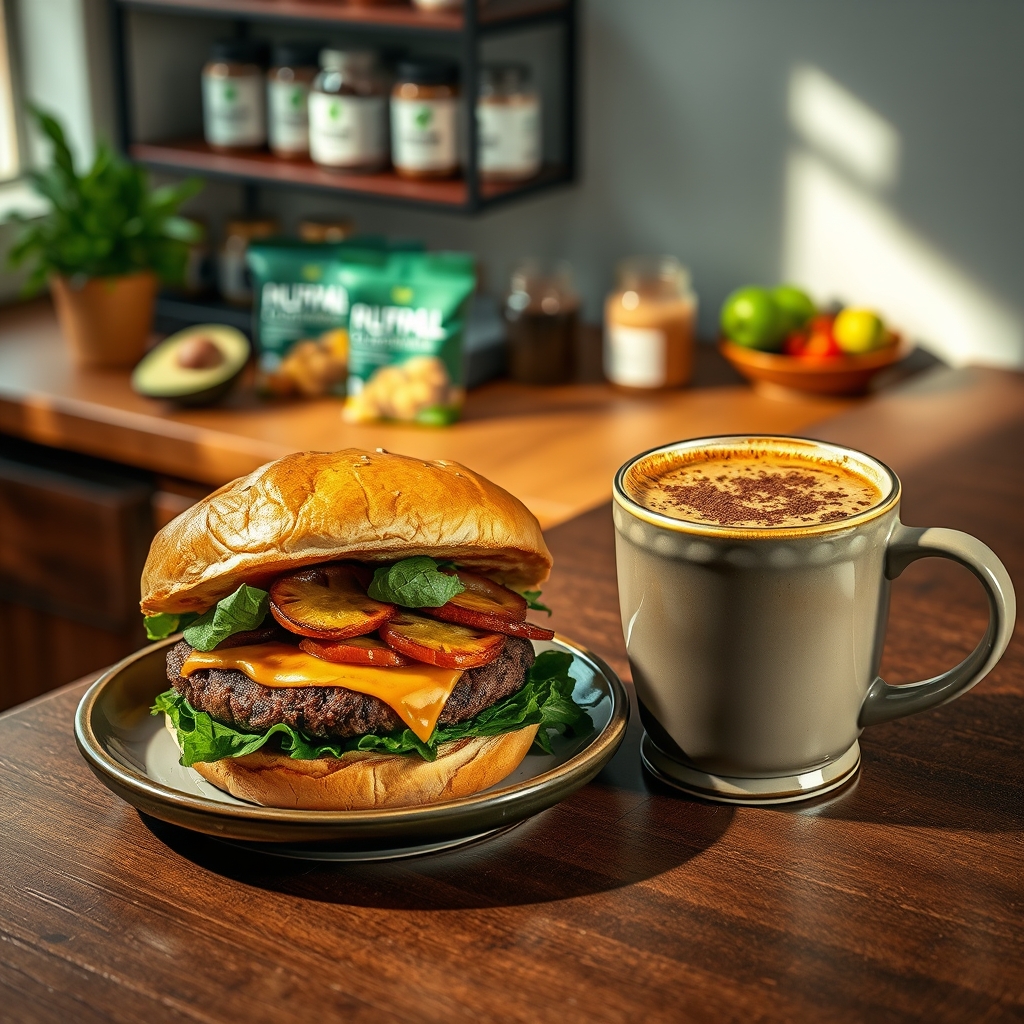
The culinary world is undergoing a quiet but profound transformation, driven by innovation and a growing consciousness about health, sustainability, and flavor. At the forefront of this shift are two categories that have captured the imagination of food enthusiasts and health-conscious consumers alike: plant-based meat alternatives and functional mushroom beverages. These trends are not just fleeting fads; they represent a deeper evolution in how we think about food, its origins, and its impact on our bodies and the planet.
The Rise of Plant-Based Meat Alternatives
Plant-based meat alternatives have moved far beyond the realm of bland tofu and uninspired veggie burgers. Today, they are a culinary force to be reckoned with, offering textures, flavors, and experiences that rival—and in some cases, surpass—their animal-based counterparts. Companies like Beyond Meat and Impossible Foods have led the charge, but the market is now brimming with artisanal and small-batch producers who are pushing the boundaries of what plant-based proteins can achieve.
What makes these alternatives so compelling is their ability to mimic the sensory experience of meat. Through advanced food science, ingredients like pea protein, soy, and beet juice extract are transformed into products that sizzle, bleed, and satisfy like traditional beef, pork, or chicken. The appeal extends beyond vegetarians and vegans; flexitarians—those who occasionally choose plant-based options—are driving much of the demand. For them, plant-based meats offer a way to reduce their environmental footprint without sacrificing the flavors they love.
But the innovation doesn’t stop at burgers and sausages. The next wave of plant-based meats is exploring global flavors and formats, from Korean bulgogi to Middle Eastern kebabs, and even plant-based seafood like shrimp and scallops. These products are not just about substitution; they’re about reimagining what meat can be in a plant-based world.
The Science Behind the Sizzle
The magic of plant-based meats lies in their ability to replicate the complex chemistry of animal proteins. When meat cooks, it undergoes a series of reactions—like the Maillard reaction—that create its distinctive aroma, color, and flavor. Plant-based alternatives achieve similar results by carefully combining proteins, fats, and binders to mimic these reactions. For example, heme, a molecule found in animal muscle, is also present in soy leghemoglobin, which gives Impossible Burger its meaty flavor and juiciness.
Texture is another critical factor. Meat has a fibrous, chewy quality that plant-based products must replicate to be convincing. Techniques like extrusion, where plant proteins are forced through a machine to align their fibers, create a structure that closely resembles animal muscle. The result is a product that doesn’t just taste like meat—it feels like it, too.
Functional Mushroom Beverages: A Sip of Wellness
While plant-based meats are redefining the main course, functional mushroom beverages are transforming what we drink. Mushrooms have long been revered in traditional medicine for their immune-boosting, cognitive-enhancing, and stress-relieving properties. Now, they’re making their way into our daily routines in the form of coffees, teas, lattes, and even sparkling tonics.
Brands like Four Sigmatic and Mud/Wtr have popularized mushroom-infused beverages, blending adaptogenic mushrooms like lion’s mane, reishi, and chaga with familiar formats. These drinks offer more than just hydration; they promise focus, energy, and balance without the jitters or crashes associated with caffeine. For example, lion’s mane is believed to support brain health and creativity, while reishi is known for its calming effects, making it a perfect evening drink.
The appeal of functional mushroom beverages lies in their ability to seamlessly integrate into existing habits. Whether it’s a morning coffee replacement, an afternoon pick-me-up, or a relaxing evening tea, these drinks provide a subtle yet powerful way to enhance well-being. They’re also a gateway to exploring the broader world of adaptogens and functional ingredients, which are increasingly finding their way into everything from snacks to desserts.
The Power of Adaptogens
Adaptogens are a class of herbs and mushrooms that help the body adapt to stress and promote homeostasis. Unlike stimulants, which provide a temporary boost, adaptogens work gradually to support the body’s natural resilience. Mushrooms like cordyceps, for instance, are prized for their ability to enhance energy and endurance, making them a favorite among athletes and busy professionals.
In beverages, adaptogens are often combined with other functional ingredients like turmeric, ashwagandha, or maca to create synergistic effects. For example, a mushroom latte might pair reishi with cinnamon and cacao for a soothing, antioxidant-rich drink. The result is a beverage that not only tastes good but also feels good, offering a holistic approach to wellness that aligns with modern lifestyles.
The Intersection of Flavor and Function
What’s particularly exciting about these trends is how they bridge the gap between indulgence and health. Plant-based meats and functional mushroom beverages are not about deprivation or compromise; they’re about expanding the possibilities of what food and drink can do for us. They allow us to enjoy the flavors and experiences we love while also nourishing our bodies and supporting the planet.
For chefs and food innovators, these categories offer a playground of creativity. Plant-based meats can be infused with global spices, smoked, or slow-cooked to create dishes that are as complex and satisfying as their animal-based counterparts. Meanwhile, functional mushroom beverages can be crafted into everything from espresso martinis to golden milk lattes, appealing to both the health-conscious and the flavor-obsessed.
As these trends continue to evolve, they’re also influencing other areas of the food industry. The success of plant-based meats has spurred interest in alternative proteins like algae and lab-grown meat, while the popularity of functional beverages is driving demand for other adaptogenic and nootropic ingredients. The result is a food landscape that’s more diverse, dynamic, and delicious than ever before.
The choices we make at the table are no longer just about taste; they’re about values, health, and the future of our planet. Whether it’s biting into a juicy plant-based burger or sipping a reishi-infused latte, these innovations invite us to rethink what’s possible in the world of food and drink. They remind us that the future of eating is not just about what we consume, but how it makes us feel—both physically and emotionally—and the impact it has on the world around us. As we explore these new frontiers, one thing is clear: the next bite is going to be anything but ordinary.