
The Rise of Conscious Indulgence: How Luxury Hotels Are Pioneering Sustainable Fine Dining Without Sacrificing Opulence
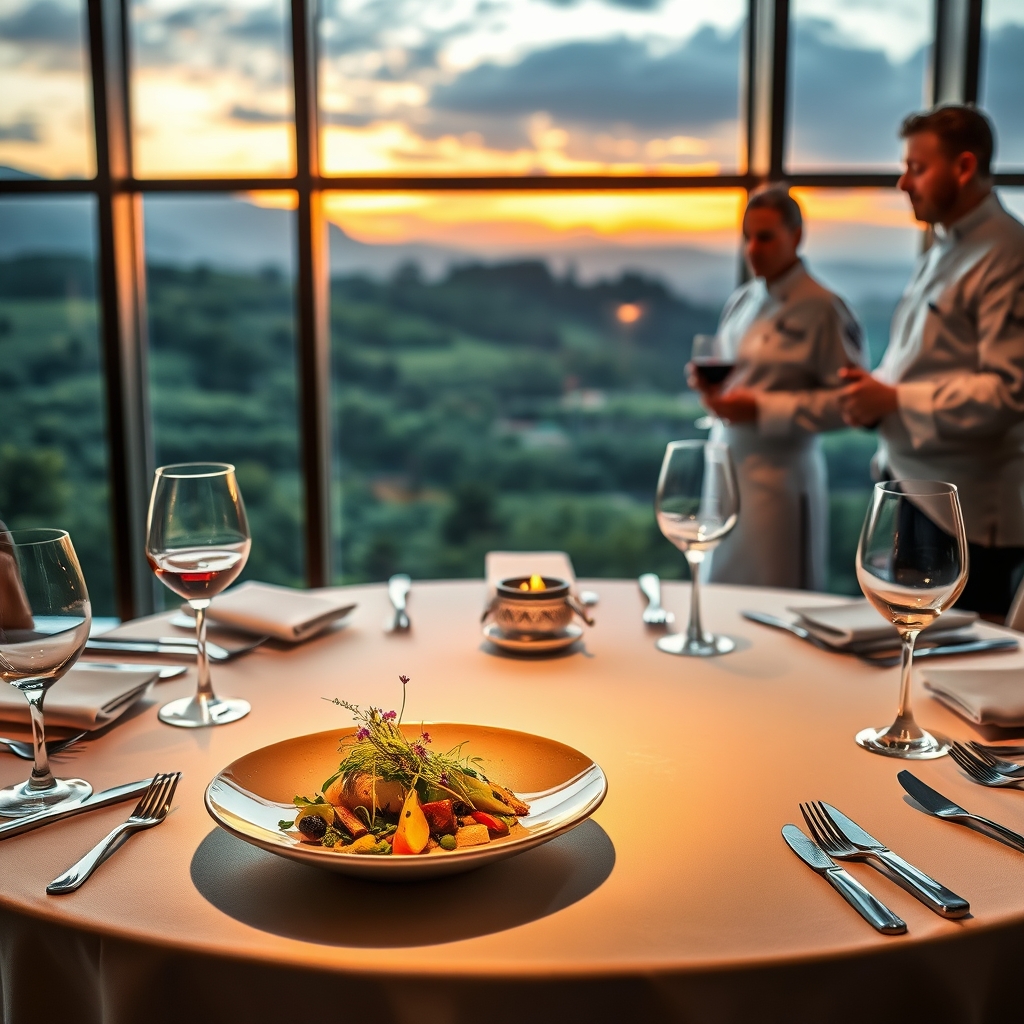
In an era where culinary excellence is no longer measured solely by extravagance, luxury hotels are redefining the very essence of fine dining. The modern gourmet experience is no longer just about lavish presentations or rare ingredients—it’s about intention, responsibility, and a deep connection to the land. Today’s most visionary hotel restaurants are proving that sustainability and indulgence are not mutually exclusive, but rather, two sides of the same golden coin. This shift is not a fleeting trend; it’s a fundamental evolution in how we perceive luxury, where every bite tells a story of ethical sourcing, environmental stewardship, and uncompromising quality.
The Philosophy Behind Conscious Indulgence
The concept of conscious indulgence is rooted in the idea that true luxury should nourish not just the body, but the soul and the planet. Luxury hotels are increasingly adopting a holistic approach to dining, where menus are designed to minimize waste, support local communities, and celebrate the natural bounty of their surroundings. This philosophy is evident in the rise of farm-to-table restaurants within five-star properties, where chefs forge direct relationships with nearby farmers, fishermen, and artisans. The result? Dishes that are fresher, more flavorful, and imbued with a sense of place.
Take, for example, a boutique hotel in Tuscany that sources its olive oil from a family-owned grove just miles away, or a coastal resort in Bali that partners with local fishermen to serve line-caught seafood within hours of harvest. These practices not only reduce the carbon footprint of each meal but also create a deeper connection between diners and the origins of their food. The experience becomes more than just a meal—it’s a journey into the heart of a region’s culinary heritage.
The Art of Zero-Waste Gourmet Cuisine
One of the most compelling aspects of sustainable fine dining is the innovative approach to zero-waste cooking. Chefs in luxury hotels are turning what was once considered kitchen scraps into culinary masterpieces. Vegetable peels become vibrant purées, fish bones are transformed into rich stocks, and stale bread is reborn as artisanal croutons or breadcrumbs. This nose-to-tail (or root-to-stem) philosophy is not just about sustainability—it’s about creativity and respect for ingredients.
At a Michelin-starred restaurant in a Parisian luxury hotel, the tasting menu might feature a dish where every component is repurposed. A carrot’s greens are blended into a pesto, its core is pickled, and its peel is dehydrated into a crispy garnish. Such meticulous attention to detail ensures that nothing is wasted, while simultaneously elevating the dining experience to new heights of artistry. Diners leave not only satiated but inspired by the ingenuity behind each plate.
Hyper-Local Ingredients: The New Hallmark of Luxury
The term “hyper-local” has become a buzzword in the culinary world, but in the context of luxury hotel dining, it represents a profound shift in how ingredients are sourced and celebrated. Hyper-local goes beyond simply using regional produce—it’s about forging a symbiotic relationship with the land, where the menu evolves with the seasons and the availability of ingredients. This approach ensures that each dish is a true reflection of its environment, offering diners an authentic taste of the locale.
Consider a luxury lodge in Patagonia, where the chef collaborates with local gauchos to source grass-fed beef and wild herbs, or a boutique hotel in Kyoto that works with nearby tea masters to incorporate matcha into both savory and sweet dishes. These hyper-local ingredients are not just ingredients—they are ambassadors of culture, history, and tradition. They transform a meal into an immersive experience, where every bite is a discovery.
The Fusion of Wellness and Gourmet Dining
Wellness has long been a cornerstone of luxury hospitality, but today’s hotel restaurants are taking it a step further by integrating health-conscious principles into gourmet cuisine. The result is a dining experience that nourishes the body without sacrificing flavor or indulgence. Plant-based fine dining, for instance, has evolved from a niche offering to a mainstream sensation, with luxury hotels leading the charge. Chefs are crafting plant-forward menus that are as visually stunning as they are delicious, using techniques like fermentation, smoking, and sous-vide to coax maximum flavor from vegetables, legumes, and grains.
At a wellness-focused resort in the Swiss Alps, the restaurant might offer a tasting menu where each course is designed to align with the body’s circadian rhythms. A light, citrus-infused amuse-bouche to awaken the senses in the morning, followed by a protein-rich dish at lunch, and a melatonin-boosting dessert in the evening. This thoughtful approach to dining ensures that guests leave feeling revitalized, rather than weighed down by heavy, rich foods. It’s a testament to the idea that luxury dining can be both decadent and deeply nourishing.
The Role of Technology in Sustainable Fine Dining
Technology is playing an increasingly pivotal role in the evolution of sustainable fine dining. From AI-driven inventory management systems that minimize food waste to blockchain technology that provides transparency in ingredient sourcing, luxury hotels are leveraging cutting-edge tools to enhance both sustainability and guest experience. Some properties are even using vertical farming to grow their own herbs and microgreens on-site, ensuring a steady supply of ultra-fresh ingredients while reducing their environmental impact.
In-room dining is also undergoing a transformation, with hotels offering personalized, tech-driven experiences that cater to individual dietary preferences and sustainability goals. Guests can use an app to customize their meal, selecting from a range of locally sourced, organic ingredients, and even track the carbon footprint of their order. This level of transparency and personalization is redefining what it means to dine in luxury, where every choice is an opportunity to indulge responsibly.
The Future of Luxury Hotel Dining
As the boundaries between sustainability and luxury continue to blur, the future of hotel dining looks brighter—and more delicious—than ever. The most forward-thinking properties are not just adapting to this shift; they are leading it, setting new standards for what it means to dine in opulence. The rise of conscious indulgence is a reminder that true luxury is not about excess, but about mindfulness, respect, and a deep appreciation for the world around us. It’s a movement that invites diners to savor not just the flavors on their plate, but the stories, the people, and the planet behind them. In this new era of fine dining, every meal is an opportunity to indulge in the extraordinary—without ever compromising on what truly matters.