
The Rise of Plant-Based Fine Dining: How Luxury Hotels Are Redefining Gourmet Cuisine Without Compromise
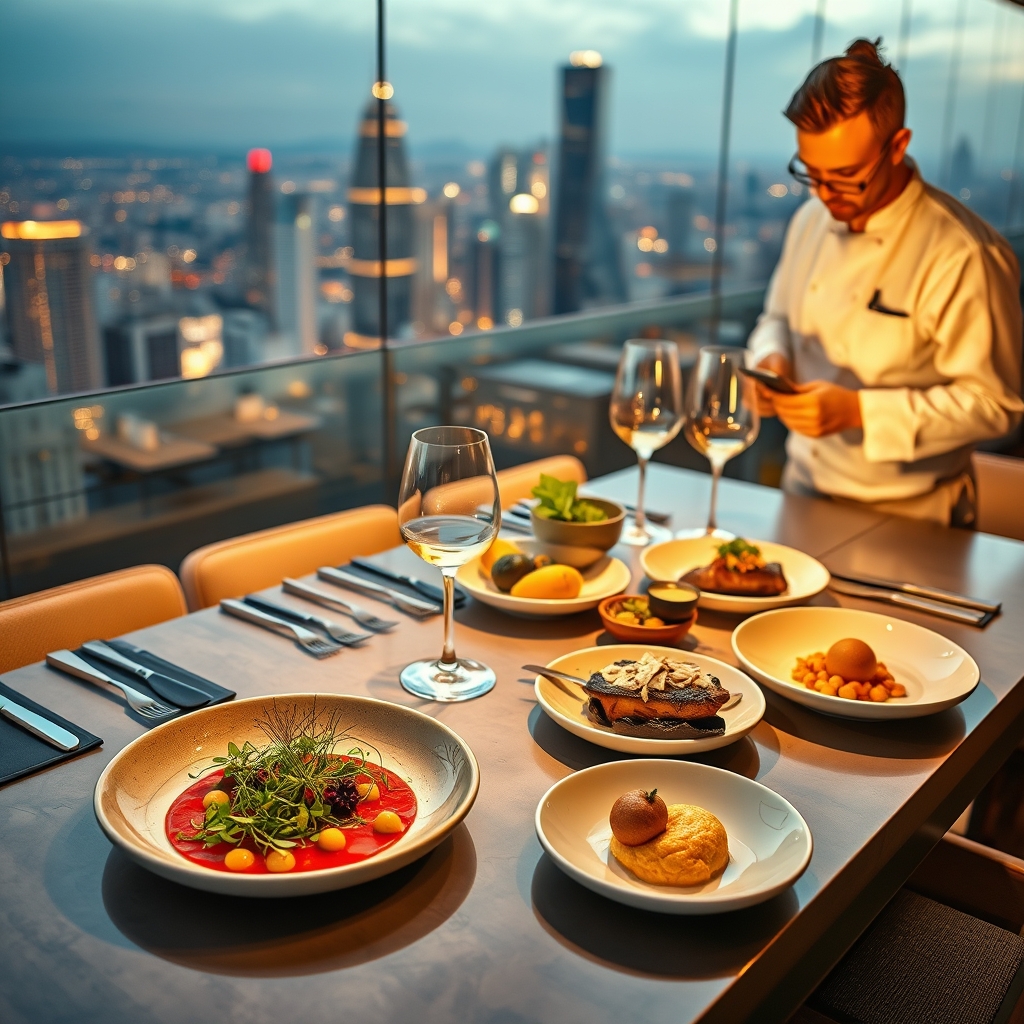
In the ever-evolving landscape of luxury hospitality, a quiet revolution is taking place—one that marries opulence with ethics, indulgence with sustainability, and tradition with innovation. Plant-based fine dining is no longer a niche offering but a cornerstone of modern gourmet experiences, particularly within the world’s most prestigious hotels. Gone are the days when vegan or vegetarian dishes were an afterthought, relegated to a small section of the menu or dismissed as lacking in sophistication. Today, they stand at the forefront of culinary creativity, challenging chefs to reimagine what luxury dining can be.
The Evolution of Plant-Based Luxury
The shift toward plant-based fine dining is not merely a trend but a response to a growing demand for conscious consumption. Discerning travelers, increasingly aware of the environmental and ethical implications of their food choices, are seeking experiences that align with their values without sacrificing quality or creativity. Luxury hotels, always attuned to the desires of their guests, have risen to the occasion, transforming plant-based cuisine into an art form that rivals its animal-based counterparts.
Take, for example, the rooftop lounges of five-star hotels in metropolitan hubs like New York, London, or Tokyo. Once dominated by seafood towers and charcuterie boards, these spaces now showcase vibrant, plant-forward dishes that celebrate the diversity of global flavors. Think heirloom tomato tartare with smoked eggplant caviar, or golden beetroot carpaccio drizzled with truffle-infused olive oil and sprinkled with edible flowers. These are not just meals; they are statements—proof that plant-based dining can be as visually stunning as it is delicious.
The Craft Behind the Cuisine
What sets plant-based fine dining apart is the meticulous craftsmanship that goes into every dish. Chefs in luxury hotels are pushing the boundaries of technique, employing methods like fermentation, dehydration, and sous-vide to coax out flavors and textures that were once thought impossible without animal products. Mushrooms are transformed into umami-rich “scallops,” jackfruit becomes tender “pulled pork,” and cashews are whipped into decadent, dairy-free cheeses that rival the real thing.
At the heart of this movement is a commitment to hyper-local and seasonal ingredients. Luxury hotels with their own urban farms or partnerships with nearby organic producers are leading the charge, ensuring that every dish tells a story of place and time. A tasting menu might feature foraged greens in spring, sun-ripened tomatoes in summer, and earthy root vegetables in winter, each ingredient treated with the reverence it deserves. This farm-to-table ethos not only enhances the flavor of the dishes but also reduces the carbon footprint of the dining experience, a win for both the palate and the planet.
The Role of Fusion and Innovation
Plant-based fine dining is also a playground for fusion cuisine, where chefs blend culinary traditions to create something entirely new. Imagine a dish that marries Japanese precision with Mediterranean flair—perhaps a miso-glazed eggplant served with a saffron-infused chickpea purée and crispy lotus root chips. Or consider the rise of “new Nordic” plant-based cuisine, where ingredients like sea buckthorn, cloudberries, and foraged herbs take center stage, offering a taste of the wild, untamed landscapes of Scandinavia.
Innovation extends beyond the plate, too. Many luxury hotels are reimagining their entire dining experience to complement their plant-based offerings. This might include immersive tasting menus where each course is paired with a carefully selected wine or artisanal non-alcoholic beverage, or interactive dining experiences where guests can engage with the chefs and learn about the sourcing and preparation of their meals. The goal is to create not just a meal, but a memorable journey—one that lingers in the mind long after the last bite.
The Wellness Connection
Another driving force behind the rise of plant-based fine dining is the growing emphasis on wellness in luxury hospitality. Hotels are increasingly positioning themselves as sanctuaries for health and rejuvenation, and plant-based cuisine is a natural extension of this philosophy. Rich in nutrients, antioxidants, and fiber, plant-based dishes are not only kinder to the planet but also to the body, making them an ideal choice for guests seeking to nourish themselves without compromise.
Wellness-focused hotels are taking this a step further by integrating plant-based dining into their broader offerings. Imagine starting your day with a turmeric-infused smoothie bowl made from locally sourced fruits and superfoods, followed by a midday yoga session, and ending with a multi-course plant-based dinner designed to restore and revitalize. This holistic approach to hospitality is redefining what it means to indulge, proving that luxury and well-being are not mutually exclusive but rather two sides of the same coin.
The Future of Plant-Based Fine Dining
As plant-based fine dining continues to gain momentum, it is poised to become a permanent fixture in the world of luxury hospitality. Chefs are no longer asking whether they can create a gourmet plant-based dish but rather how far they can push the boundaries of creativity and flavor. The result is a dining landscape that is more inclusive, sustainable, and exciting than ever before.
For travelers, this means more opportunities to explore the world through food, to savor dishes that are as kind to the earth as they are to the senses. Whether it’s a Michelin-starred tasting menu in Paris, a rooftop lounge in Dubai, or a boutique hotel in Bali, plant-based fine dining is proving that the future of luxury cuisine is not just green—it’s extraordinary. The next time you find yourself in a five-star hotel, don’t be surprised if the most memorable dish on the menu is one that celebrates the humble, the local, and the plant-based, reminding us all that true luxury is not just about what we eat, but how we choose to nourish our bodies and our world.