The Science of Flavor: How Adaptive Cooking Workflows and Intuitive Culinary Experiences Are Redefining Home Cooking
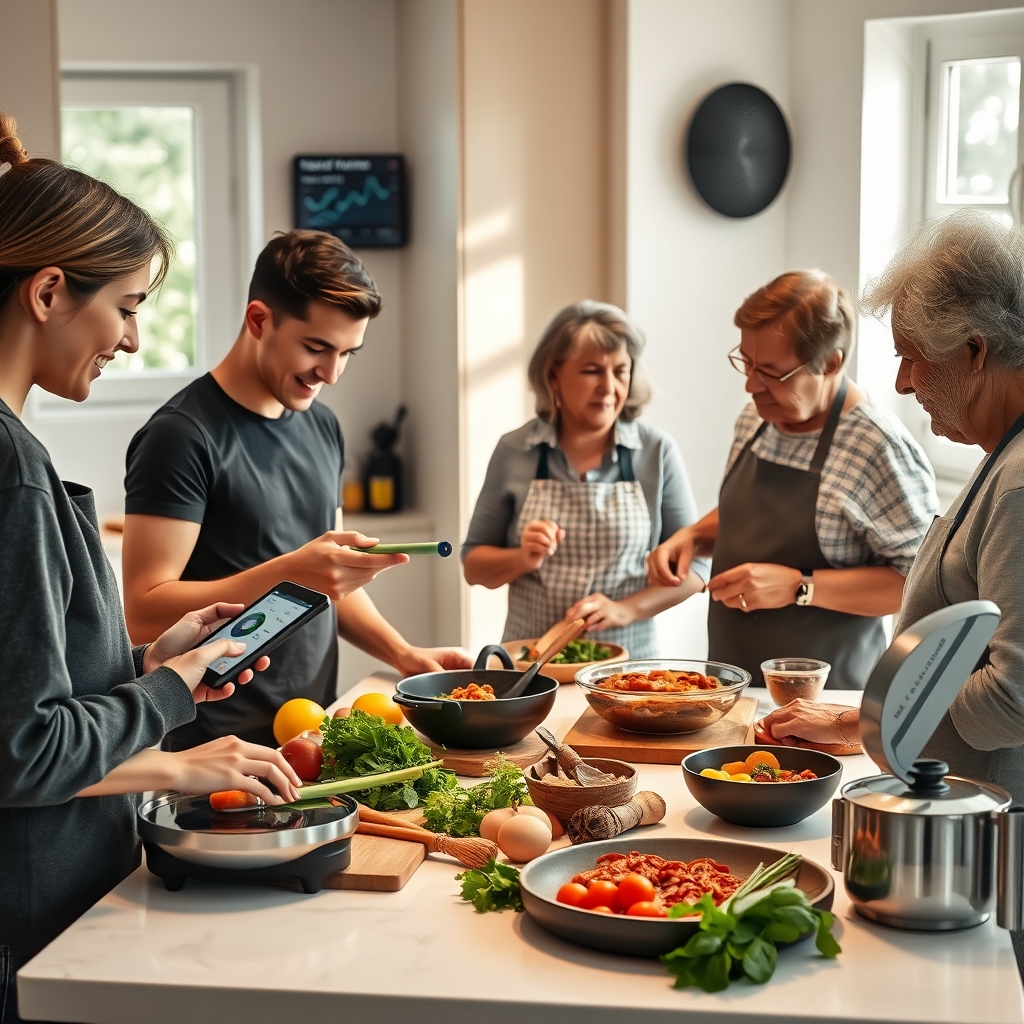
Cooking has long been considered both an art and a science, but the modern kitchen is evolving into a dynamic space where technology, intuition, and creativity intersect. The rise of adaptive cooking workflows and intuitive culinary experiences is transforming how home cooks approach meal preparation, making the process more efficient, personalized, and enjoyable. By blending traditional techniques with cutting-edge innovations, today’s culinary enthusiasts are discovering new ways to elevate their skills and deepen their connection to food.
The Evolution of Adaptive Cooking Workflows
Gone are the days of rigid recipes and one-size-fits-all cooking methods. Adaptive cooking workflows leverage real-time data, user preferences, and environmental factors to create flexible, responsive approaches to meal preparation. For example, smart kitchen appliances equipped with sensors can adjust cooking times and temperatures based on ingredient freshness, humidity levels, or even the cook’s skill level. This level of adaptability ensures consistent results while reducing the guesswork that often accompanies home cooking.
Another key aspect of adaptive workflows is their ability to integrate personalized flavor profiling. By analyzing a cook’s taste preferences—whether through direct input or machine learning algorithms—these systems can suggest ingredient substitutions, spice blends, or cooking techniques tailored to individual palates. This not only enhances the dining experience but also encourages experimentation, allowing cooks to refine their skills and develop a deeper understanding of flavor dynamics.
How Technology Enhances Intuitive Culinary Experiences
Intuitive culinary experiences are about more than just following a recipe; they’re about fostering a deeper connection between the cook and the food. Tech-assisted precision cooking plays a pivotal role in this by providing tools that simplify complex techniques. For instance, sous-vide machines, smart scales, and connected thermometers allow home cooks to achieve restaurant-quality results with minimal effort. These devices often come with companion apps that offer step-by-step guidance, troubleshooting tips, and even video tutorials, making advanced techniques accessible to beginners.
Beyond hardware, software solutions are also enhancing intuitive cooking. Apps that use data-driven nutrition tracking can help cooks monitor their dietary goals while suggesting recipes that align with their nutritional needs. Meanwhile, platforms focused on collaborative recipe development enable users to share, modify, and refine recipes in real time, fostering a sense of community and collective learning. These tools not only streamline the cooking process but also empower cooks to trust their instincts and make informed decisions in the kitchen.
The Role of Sensory Techniques in Modern Cooking
While technology is revolutionizing the kitchen, the human element remains irreplaceable. Sensory cooking techniques—such as tasting, smelling, and observing textures—are fundamental to developing culinary intuition. These techniques allow cooks to assess doneness, balance flavors, and adjust seasoning on the fly, creating dishes that are truly unique. Incorporating sensory practices into adaptive workflows bridges the gap between technology and tradition, ensuring that cooking remains a deeply personal and creative endeavor.
For example, a cook might use a smart thermometer to monitor the internal temperature of a steak while relying on their sense of smell to determine when it’s perfectly seared. Similarly, tasting a sauce at different stages of reduction allows the cook to adjust acidity, sweetness, or saltiness in real time, resulting in a dish that reflects their personal touch. By combining sensory techniques with adaptive tools, home cooks can achieve a level of precision and creativity that was once reserved for professional chefs.
Optimizing the Home Kitchen for Efficiency and Creativity
An efficient kitchen is the foundation of a seamless cooking experience. Home kitchen optimization involves designing a space that supports both functionality and creativity. This can include everything from ergonomic layouts and smart storage solutions to the strategic placement of appliances and tools. For instance, keeping frequently used ingredients and utensils within easy reach reduces unnecessary movement, while designated prep zones streamline the cooking process.
Incorporating efficient kitchen design principles can also enhance the intuitive cooking experience. For example, a well-organized pantry with clear labeling makes it easier to locate ingredients, while a thoughtfully arranged countertop ensures that tools are always accessible. Additionally, integrating technology—such as voice-activated assistants or smart displays—can further optimize workflows by providing hands-free access to recipes, timers, and cooking tips. A well-designed kitchen not only saves time but also inspires creativity, making it easier for cooks to experiment with new techniques and flavors.
The Future of Culinary Education: Learning Through Experience
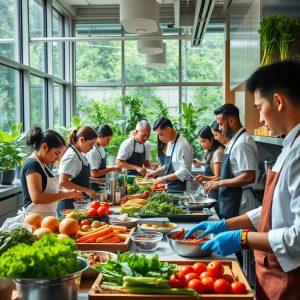
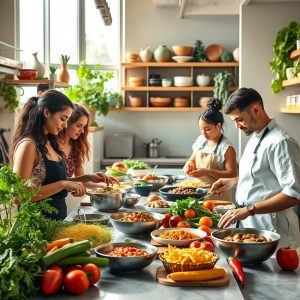
The way we learn to cook is evolving, with a growing emphasis on experiential gastronomy methods. Traditional culinary education often relies on memorization and repetition, but modern approaches prioritize hands-on learning and real-world application. Interactive kitchen workshops, for example, offer participants the opportunity to engage with ingredients, techniques, and tools in a collaborative setting. These workshops often focus on specific themes—such as sustainable ingredient sourcing or creative ingredient pairing—and encourage participants to explore new ideas while refining their skills.
Another emerging trend is the use of immersive culinary education</ platforms, which leverage virtual reality (VR) and augmented reality (AR) to create interactive learning experiences. These platforms allow users to practice techniques in a simulated kitchen environment, receive instant feedback, and even collaborate with other cooks in real time. By making culinary education more engaging and accessible, these tools are democratizing the learning process and empowering home cooks to take their skills to the next level.
As the boundaries between technology and tradition continue to blur, the kitchen is becoming a space of endless possibility. Adaptive cooking workflows and intuitive culinary experiences are not just about making cooking easier—they’re about deepening our relationship with food, fostering creativity, and redefining what it means to cook at home. Whether through sensory techniques, smart appliances, or experiential learning, the future of cooking is one where every meal is an opportunity to explore, innovate, and savor the art of flavor.