Traditional Indonesian Snacks: A Taste of Nostalgia
Indonesia’s culinary landscape is as diverse as its archipelago, with each region offering unique flavors that tell stories of tradition, history, and community. Among the most beloved treasures are its traditional snacks—small, vibrant bites that pack a punch of nostalgia. These treats, often passed down through generations, are more than just food; they are a celebration of culture, a connection to the past, and a testament to the creativity of Indonesian cuisine. Whether enjoyed during festive gatherings, as an afternoon pick-me-up, or as a comforting reminder of home, these snacks carry the warmth of shared memories and the richness of Indonesia’s heritage.
The Sweet and Chewy Delights of Klepon
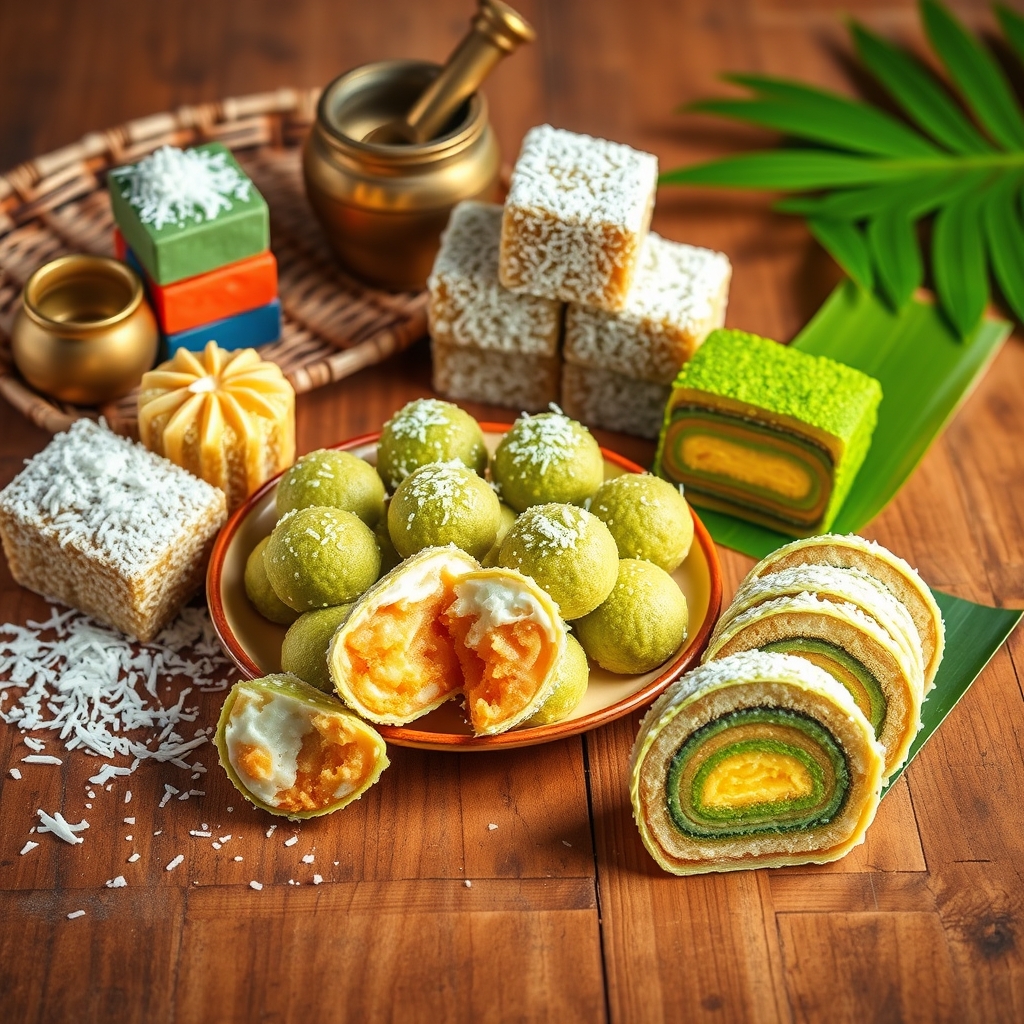
Klepon, also known as onde-onde in some regions, is a small, round glutinous rice cake filled with palm sugar and coated in grated coconut. Its vibrant green color, derived from pandan leaves, makes it as visually appealing as it is delicious. The magic of klepon lies in its texture—soft and chewy on the outside, with a molten, caramel-like center that bursts with sweetness when bitten into. This snack is a staple during celebrations like Lebaran and weddings, symbolizing prosperity and sweetness in life.
Making klepon at home is a rewarding experience, though it requires a bit of patience. The dough is made from glutinous rice flour, mixed with pandan juice and a touch of salt, then rolled into small balls. A piece of palm sugar is tucked inside each ball before boiling them until they float to the surface. Once cooked, they are rolled in freshly grated coconut, giving them their signature finish. The process is a labor of love, but the result is a snack that’s impossible to resist.
The Cultural Significance of Klepon
Beyond its delightful taste, klepon holds cultural significance in Indonesian society. The act of sharing klepon during gatherings is a gesture of unity and togetherness. In Javanese culture, klepon is often served during slametan, a communal feast held to celebrate life’s milestones. The round shape of klepon is also symbolic, representing completeness and harmony—a fitting metaphor for the bonds it helps strengthen among family and friends.
Getuk: The Humble Yet Versatile Treat
Getuk is another classic Indonesian snack that showcases the simplicity and ingenuity of traditional cuisine. Made from cassava, a starchy root vegetable, getuk is a soft, slightly sweet, and earthy treat that can be enjoyed in various forms. The most common version, getuk lindri, is made by steaming and mashing cassava, then mixing it with coconut milk and sugar before shaping it into small, colorful blocks. The result is a snack that’s both comforting and versatile, often served with a sprinkle of grated coconut or a drizzle of palm sugar syrup.
What makes getuk special is its adaptability. In Central Java, getuk is often transformed into getuk goreng, where the mashed cassava is fried until crispy, creating a delightful contrast of textures. In other regions, it’s shaped into small balls and filled with sweet mung bean paste, offering a playful twist on the classic recipe. This versatility reflects the resourcefulness of Indonesian cooks, who have turned a simple ingredient like cassava into a beloved snack that can be enjoyed in countless ways.
A Snack with Deep Roots
Getuk’s origins can be traced back to the rural communities of Java, where cassava was a staple crop. During times of scarcity, cassava provided a reliable source of sustenance, and getuk emerged as a creative way to make the most of this humble ingredient. Over time, getuk evolved from a simple survival food into a cherished snack, enjoyed by people of all ages. Today, it’s a common sight in traditional markets and street food stalls, where vendors skillfully craft it into colorful, bite-sized treats that draw crowds with their vibrant appearance and irresistible taste.
Kue Lapis: The Art of Layered Perfection
No discussion of traditional Indonesian snacks would be complete without mentioning kue lapis, a steamed layered cake that is as much a feast for the eyes as it is for the palate. Made from rice flour, coconut milk, and sugar, kue lapis is known for its intricate, rainbow-colored layers, each one meticulously steamed to achieve a soft, slightly chewy texture. The process of making kue lapis is an art form, requiring patience and precision to create the perfect balance of flavors and colors.
The origins of kue lapis can be traced back to the Dutch colonial era, when European baking techniques were adapted to local ingredients. Over time, the recipe evolved to incorporate Indonesian flavors, resulting in the vibrant, multi-layered cake we know today. Kue lapis is often served during special occasions, such as birthdays and holidays, where its striking appearance makes it a centerpiece of the dessert table. Each slice is a work of art, with layers that reveal themselves like the pages of a storybook, inviting you to savor every bite.
A Symbol of Celebration
Kue lapis is more than just a dessert; it’s a symbol of celebration and joy. The time and effort required to make it reflect the care and love that goes into preparing food for special occasions. In many Indonesian households, the recipe for kue lapis is a closely guarded secret, passed down from one generation to the next. The cake’s layers are often seen as a metaphor for life’s complexities—each one unique, yet coming together to create something beautiful and harmonious.
As you bite into a piece of kue lapis, the flavors of coconut and pandan unfold, transporting you to a world of tradition and warmth. It’s a reminder of the simple pleasures that connect us to our roots, and the joy of sharing food with those we love. Whether it’s the burst of sweetness from a klepon, the comforting earthiness of getuk, or the layered perfection of kue lapis, traditional Indonesian snacks offer a taste of nostalgia that lingers long after the last bite. These treats are not just food; they are a celebration of culture, a bridge between the past and the present, and a delicious reminder of the beauty found in life’s simplest moments.