The Alchemy of Flavor: Exploring the World of Chef Tasting Menus and Molecular Gastronomy
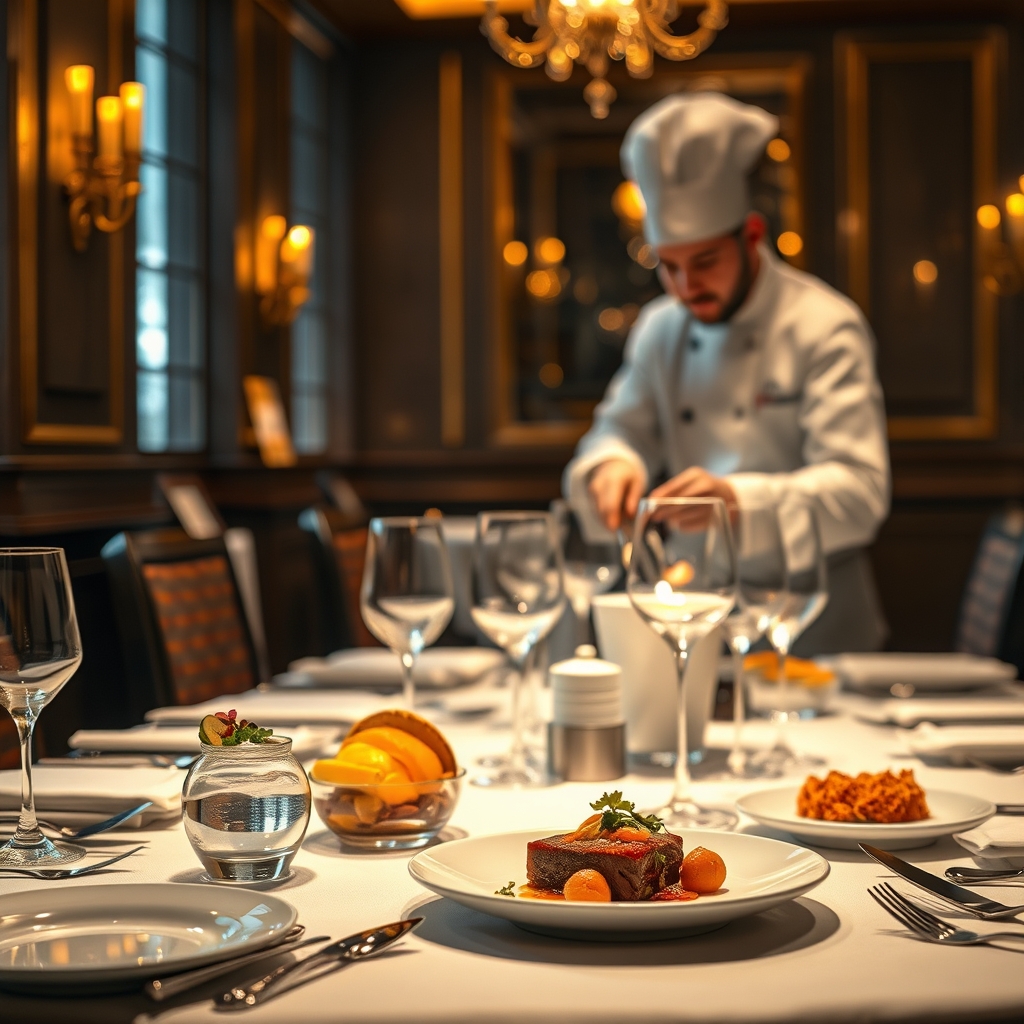
The modern culinary landscape has evolved into a symphony of innovation, tradition, and artistry, where chefs are no longer just cooks but true alchemists of flavor. At the heart of this transformation lies the chef tasting menu, a curated journey that transcends mere dining to become an immersive gastronomy experience. These multi-course masterpieces are not just meals; they are narratives, each dish a chapter that tells the story of a chef’s vision, technique, and passion for gourmet cuisine.
The Rise of the Tasting Menu
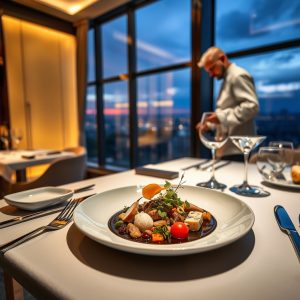
Tasting menus have become the gold standard in luxury dining, particularly in Michelin-starred and upscale restaurants. Unlike traditional à la carte dining, where guests select individual dishes, a tasting menu offers a pre-designed sequence of small, meticulously crafted plates. This format allows chefs to showcase their creativity, seasonal ingredients, and mastery of culinary arts without the constraints of a standard menu.
The origins of the tasting menu can be traced back to France, where the concept of menu dégustation emerged as a way to highlight the depth of a chef’s repertoire. Today, it has evolved into a global phenomenon, with variations like the omakase dinner in Japan, where diners entrust the chef to guide them through an unforgettable culinary adventure. Whether it’s a 12-course extravaganza or a concise 5-course journey, the tasting menu is designed to engage all the senses, from the visual presentation to the final bite.
The Science Behind the Magic: Molecular Gastronomy
While traditional techniques remain the backbone of fine dining, the advent of molecular gastronomy has revolutionized the way chefs approach flavor, texture, and presentation. Pioneered by visionaries like Ferran Adrià of elBulli and Heston Blumenthal of The Fat Duck, this scientific discipline explores the physical and chemical transformations of ingredients during cooking. The result? Dishes that defy expectations and redefine what is possible in the kitchen.
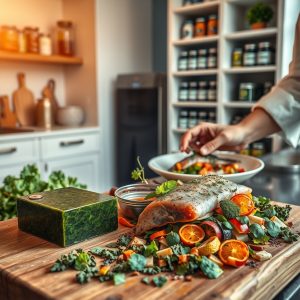
Imagine savoring a dish where a creamy Wagyu beef consommé is transformed into a delicate foam, or where a sphere of liquid olive oil bursts in your mouth like caviar. These are not gimmicks but carefully engineered experiences that elevate dining to an art form. Techniques like spherification, sous-vide cooking, and the use of hydrocolloids allow chefs to manipulate textures and flavors in ways that were once unimaginable. Yet, the best practitioners of molecular gastronomy never lose sight of the most important element: taste. After all, innovation means little if the dish doesn’t delight the palate.
The Role of Ingredients: From Farm to Table
At the core of every exceptional tasting menu is the quality of its ingredients. The farm-to-table movement has gained momentum in recent years, with chefs forging direct relationships with farmers, fishermen, and artisans to source the freshest, most authentic flavors. Seasonal produce, heirloom vegetables, and sustainably caught seafood are not just trends but essential components of a memorable dining experience.
Take, for example, the use of caviar service in high-end restaurants. The finest caviar, sourced from pristine waters, is often presented in a way that honors its rarity and delicacy. Served on mother-of-pearl spoons or paired with blinis and crème fraîche, it becomes a luxurious prelude to the meal. Similarly, artisanal dishes featuring handcrafted cheeses, house-cured meats, or small-batch olive oils add layers of complexity and depth to a tasting menu. These ingredients are not just food; they are stories of craftsmanship and terroir.
The Art of Pairing: Wine and Beyond
No tasting menu is complete without the perfect accompaniment, and wine pairing is an art in itself. Sommeliers and chefs collaborate to select wines that complement and enhance each dish, creating harmonious flavor profiles that elevate the entire experience. A crisp Chablis might cut through the richness of a buttery scallop, while a bold Barolo could stand up to the intensity of a slow-braised short rib. But wine is not the only option—some restaurants offer pairings with craft cocktails, sake, or even non-alcoholic beverages like infused teas or house-made sodas.
The key to a successful pairing lies in balance. The beverage should neither overpower nor be overshadowed by the dish. Instead, it should act as a bridge, connecting the flavors and enhancing the overall journey. For diners, this attention to detail transforms a meal into a symphony of tastes, where each sip and bite is a note in a larger composition.
The Signature Dish: A Chef’s Legacy
Every great chef has a signature dish, a creation that encapsulates their philosophy and becomes synonymous with their name. These dishes are often the result of years of refinement, experimentation, and passion. Think of Massimo Bottura’s Oops! I Dropped the Lemon Tart, a playful yet profound dessert that challenges perceptions of perfection, or René Redzepi’s foraged ingredients at Noma, which redefine what it means to dine in harmony with nature.
A signature dish is more than just a recipe; it’s a statement. It reflects the chef’s cultural influences, technical prowess, and personal journey. For diners, encountering such a dish is a privilege, a moment where they connect with the chef’s vision on a deeper level. It’s why people travel across the world to dine at world-class restaurants—not just for the food, but for the stories behind it.
The Future of Fine Dining
As the culinary world continues to evolve, so too does the concept of fine dining. Sustainability, zero-waste cooking, and plant-forward menus are shaping the next generation of tasting experiences. Chefs are increasingly looking to their roots, reviving forgotten techniques and ingredients while pushing the boundaries of innovation. Yet, amid all these changes, one thing remains constant: the desire to create moments of joy, surprise, and connection through food.
Dining at this level is not just about sustenance; it’s about emotion. It’s the anticipation of the first course, the gasp of delight at an unexpected texture, the quiet satisfaction of a perfectly balanced dish. These are the moments that linger long after the last bite, turning a meal into a memory. In a world where experiences are the new luxury, the chef tasting menu stands as a testament to the power of gastronomy to inspire, delight, and transform.