The Future of Home Cooking: How Real-Time Analytics and Mindful Preparation Are Crafting Hyper-Personalized Culinary Journeys
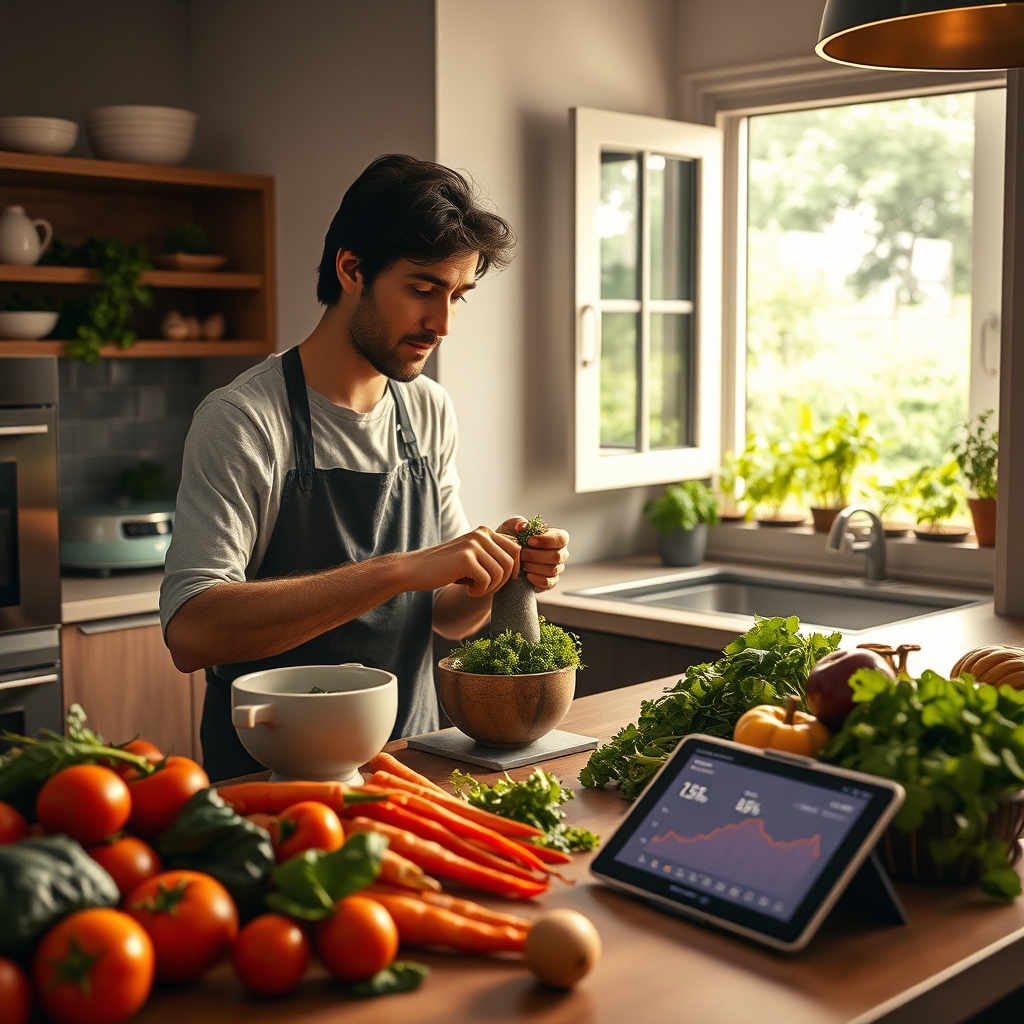
The modern kitchen is no longer just a place to prepare meals—it’s evolving into a dynamic laboratory where technology, tradition, and intuition converge. As home cooks seek deeper connections with their food, tools that offer real-time cooking analytics and mindful food preparation are transforming the way we approach flavor, nutrition, and creativity. This shift isn’t about replacing the human touch; it’s about enhancing it, allowing cooks to refine their skills while embracing a more conscious and personalized culinary experience.
The Power of Real-Time Feedback in Cooking
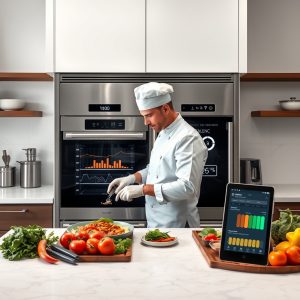
Imagine a kitchen where your tools don’t just assist but actively guide you, offering instant insights into temperature, seasoning balance, and even the chemical reactions unfolding in your pan. Tech-assisted precision cooking is making this a reality. Smart thermometers, connected scales, and AI-driven apps now provide real-time feedback, helping home cooks achieve perfect doneness, avoid over-salting, or even predict how a dish will taste before it’s fully cooked. These innovations aren’t about removing the artistry from cooking—they’re about giving cooks the confidence to experiment, knowing they have a safety net of data to fall back on.
For example, a smart oven might adjust its heat based on the moisture content of a roast, ensuring even cooking without constant monitoring. Similarly, an app could analyze your ingredient choices and suggest adjustments to align with dietary goals, whether that’s reducing sodium, increasing protein, or balancing macronutrients. This level of precision doesn’t just save time; it empowers cooks to push boundaries, knowing they’re backed by science.
Mindful Preparation: The Art of Slowing Down
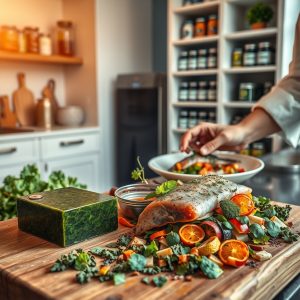
In a world where speed often trumps intention, mindful food preparation offers a counterbalance. This approach isn’t about rigid rules or strict diets—it’s about cultivating awareness in every step of the cooking process. From selecting ingredients with care to savoring the textures and aromas as they transform, mindful cooking turns meal prep into a meditative practice. It’s a way to reconnect with the sensory pleasures of cooking, reducing stress and fostering a deeper appreciation for the food we create.
Techniques like sensory cooking play a key role here. By engaging all five senses—smell, touch, sight, sound, and taste—cooks can develop a more intuitive understanding of flavor. For instance, the sizzle of garlic in hot oil isn’t just a sound; it’s a cue that the oil is at the right temperature. The vibrant green of blanched vegetables isn’t just visually appealing; it signals optimal freshness and texture. These subtle observations, when practiced mindfully, elevate cooking from a task to an experience.
Bridging Technology and Tradition
The marriage of real-time analytics and mindful preparation might seem like an unlikely pairing, but together, they create a powerful synergy. Technology provides the data-driven insights, while mindfulness ensures those insights are applied with intention. This balance is particularly valuable in personalized flavor profiling, where cooks can use analytics to understand their preferences—whether they lean toward bold, spicy flavors or subtle, umami-rich dishes—and then refine those preferences through mindful tasting and experimentation.
Consider a home cook who uses an app to track their flavor preferences over time. The app might reveal a tendency toward acidic ingredients, prompting the cook to explore new vinegars, citrus, or fermented foods. Meanwhile, mindful tasting sessions—where the cook pauses to savor each bite, noting the interplay of flavors—help them develop a more nuanced palate. Over time, this combination of data and intuition leads to meals that are not just delicious but deeply personal.
The Role of Community in Culinary Growth
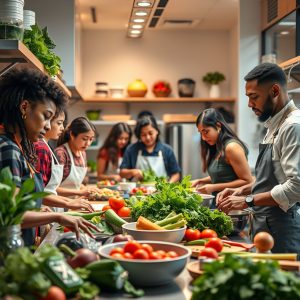
No cook is an island, and the rise of collaborative recipe development is proof of that. Online platforms and interactive kitchen workshops are making it easier than ever for home cooks to share insights, troubleshoot challenges, and co-create dishes. These communities thrive on the exchange of ideas, whether it’s a tweak to a classic recipe or a bold new fusion of flavors. Real-time analytics can even play a role here, with apps allowing cooks to compare their results with others, identifying trends or anomalies in their cooking process.
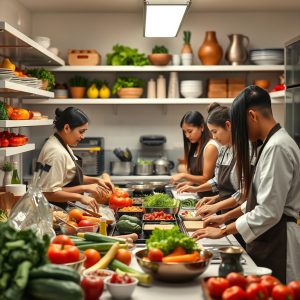
For example, a group of home bakers might use a shared app to track the rise of their sourdough starters, adjusting hydration levels based on collective data. Or a cooking class might use live feedback from participants to refine a recipe in real time, ensuring everyone leaves with a dish that’s tailored to their tastes. This collaborative approach doesn’t just democratize culinary expertise; it fosters a sense of connection, reminding us that cooking is as much about community as it is about the food itself.
Sustainability as a Guiding Principle
As cooks become more mindful and data-savvy, sustainability naturally becomes a priority. Sustainable ingredient sourcing isn’t just about choosing organic or local produce—it’s about understanding the environmental and ethical impact of every ingredient. Real-time analytics can help here, too, by tracking the carbon footprint of a meal or suggesting seasonal alternatives to out-of-season ingredients. Meanwhile, mindful preparation encourages cooks to waste less, using every part of an ingredient—from carrot tops to citrus peels—to minimize their environmental impact.
This shift toward sustainability isn’t just good for the planet; it’s good for the palate. Ingredients sourced with care often taste better, whether it’s a tomato ripened on the vine or a piece of fish caught using responsible methods. When cooks combine this mindful sourcing with real-time data—like tracking the freshness of ingredients or optimizing storage conditions—they create meals that are as nourishing for the earth as they are for the body.
The kitchen of the future isn’t a place where technology replaces intuition or where speed trumps mindfulness. Instead, it’s a space where data and tradition coexist, where every meal is an opportunity to learn, connect, and create. Whether you’re a seasoned chef or a curious beginner, the tools and techniques emerging today offer a chance to cook with greater confidence, creativity, and care. The journey is just beginning, and the possibilities are as limitless as the flavors waiting to be discovered.