The Future of Home Cooking: How Adaptive Workflows and Personalized Flavor Profiling Are Crafting Intuitive Culinary Experiences
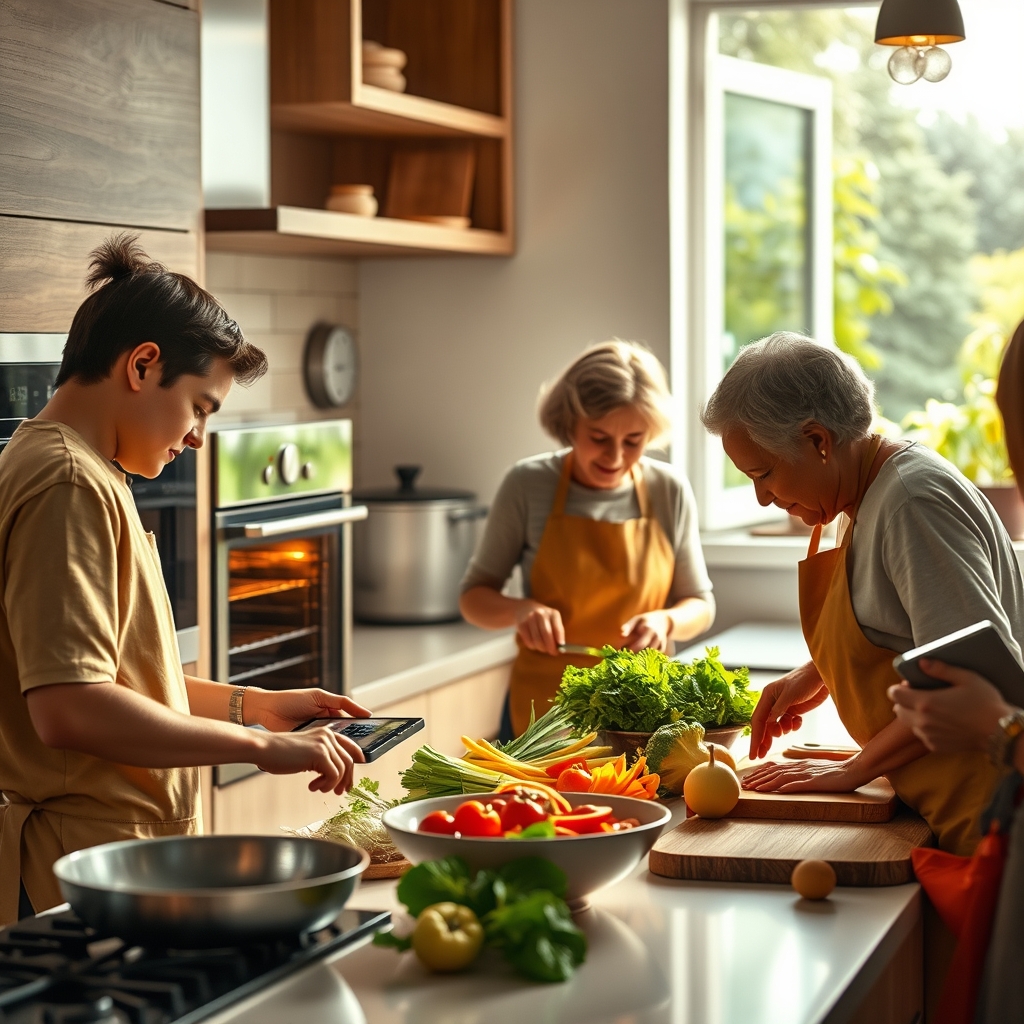
The modern kitchen is no longer just a place to prepare meals—it’s a dynamic laboratory where science, intuition, and creativity converge. As home cooks seek deeper connections with their food, adaptive cooking workflows and personalized flavor profiling are emerging as the cornerstones of a new culinary era. These innovations are not just about efficiency; they’re about transforming the act of cooking into a deeply intuitive and immersive experience.
The Rise of Adaptive Cooking Workflows
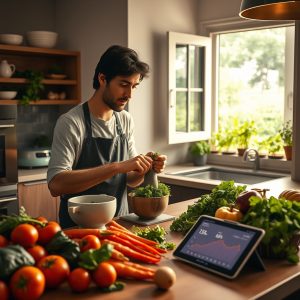
Traditional cooking often follows rigid recipes, leaving little room for spontaneity or personalization. Adaptive cooking workflows, however, break this mold by integrating flexibility into the process. These workflows leverage real-time feedback—whether from smart kitchen appliances, sensory cues, or even biometric data—to adjust techniques on the fly. For example, a smart oven might detect moisture levels in a roast and suggest adjustments to cooking time or temperature, ensuring perfect results every time.
This approach doesn’t just streamline cooking; it empowers home chefs to trust their instincts. By removing the guesswork, adaptive workflows allow cooks to focus on creativity, experimenting with flavors and techniques without fear of failure. The result? A kitchen that feels less like a chore and more like a playground for culinary exploration.
How Technology Enhances Intuition
At first glance, technology and intuition might seem like opposing forces—one rooted in data, the other in instinct. Yet, when thoughtfully integrated, they create a harmonious balance. Smart kitchen tools, such as precision cookers or AI-powered flavor analyzers, provide real-time analytics that inform decisions without overshadowing the cook’s personal touch. For instance, a device that tracks the Maillard reaction in searing meat can suggest optimal heat levels, but the final call still rests with the chef’s palate and preferences.
This synergy between technology and intuition is particularly valuable for those new to cooking. Adaptive workflows act as a guiding hand, helping beginners build confidence while still allowing room for creativity. Over time, cooks develop a deeper understanding of techniques and flavors, making the process feel more natural and less prescriptive.
The Power of Personalized Flavor Profiling
Flavor is deeply personal, shaped by cultural background, memories, and even genetics. Personalized flavor profiling takes this into account, using data-driven insights to tailor recipes and techniques to individual preferences. Imagine a system that analyzes your taste preferences—whether you lean toward bold, spicy flavors or subtle, umami-rich profiles—and suggests ingredient pairings or cooking methods that align with your unique palate.
This level of personalization extends beyond mere preference matching. It can also account for dietary needs, allergies, or even mood-based cravings. For example, a flavor profile might adjust a recipe to include more warming spices during colder months or lighter, citrus-forward ingredients in the summer. The result is a meal that doesn’t just taste good but feels deeply satisfying on a personal level.
From Data to Delicious
The key to effective flavor profiling lies in the seamless integration of data without sacrificing the joy of cooking. Tools like AI-driven recipe platforms or smart spice dispensers can suggest adjustments based on past preferences, but they leave the final creative decisions to the cook. This approach ensures that meals remain a reflection of the chef’s personality and mood, rather than a rigid output of algorithms.
Moreover, personalized flavor profiling fosters a deeper connection to food. When cooks understand why certain flavors resonate with them, they become more adventurous, exploring new cuisines and techniques with confidence. It’s a shift from following recipes to crafting experiences—one where every meal tells a story.
Bridging Tradition and Innovation
While adaptive workflows and personalized flavor profiling are rooted in modern technology, they also honor culinary traditions. Many of these innovations draw inspiration from time-honored techniques, such as the French concept of mise en place or the Japanese philosophy of washoku, which emphasizes balance and seasonality. By blending these traditions with cutting-edge tools, home cooks can preserve cultural heritage while embracing the future of food.
For example, a smart kitchen might use AI to suggest a traditional Italian soffritto but allow the cook to adjust the ratio of onions, carrots, and celery based on their flavor profile. This fusion of old and new ensures that cooking remains a living, evolving art form—one that respects the past while eagerly anticipating the future.
The kitchen of tomorrow is not about replacing the human touch with machines; it’s about enhancing it. Adaptive workflows and personalized flavor profiling are tools that empower cooks to explore, experiment, and connect with their food in ways that were once unimaginable. As these innovations continue to evolve, they promise to make cooking not just easier, but more meaningful—a true celebration of flavor, intuition, and creativity. The future of home cooking is here, and it’s as unique as the chefs who embrace it.