The Art of Culinary Harmony: How Luxury Hotels Are Blending Hyper-Local Ingredients with Global Fusion Elegance
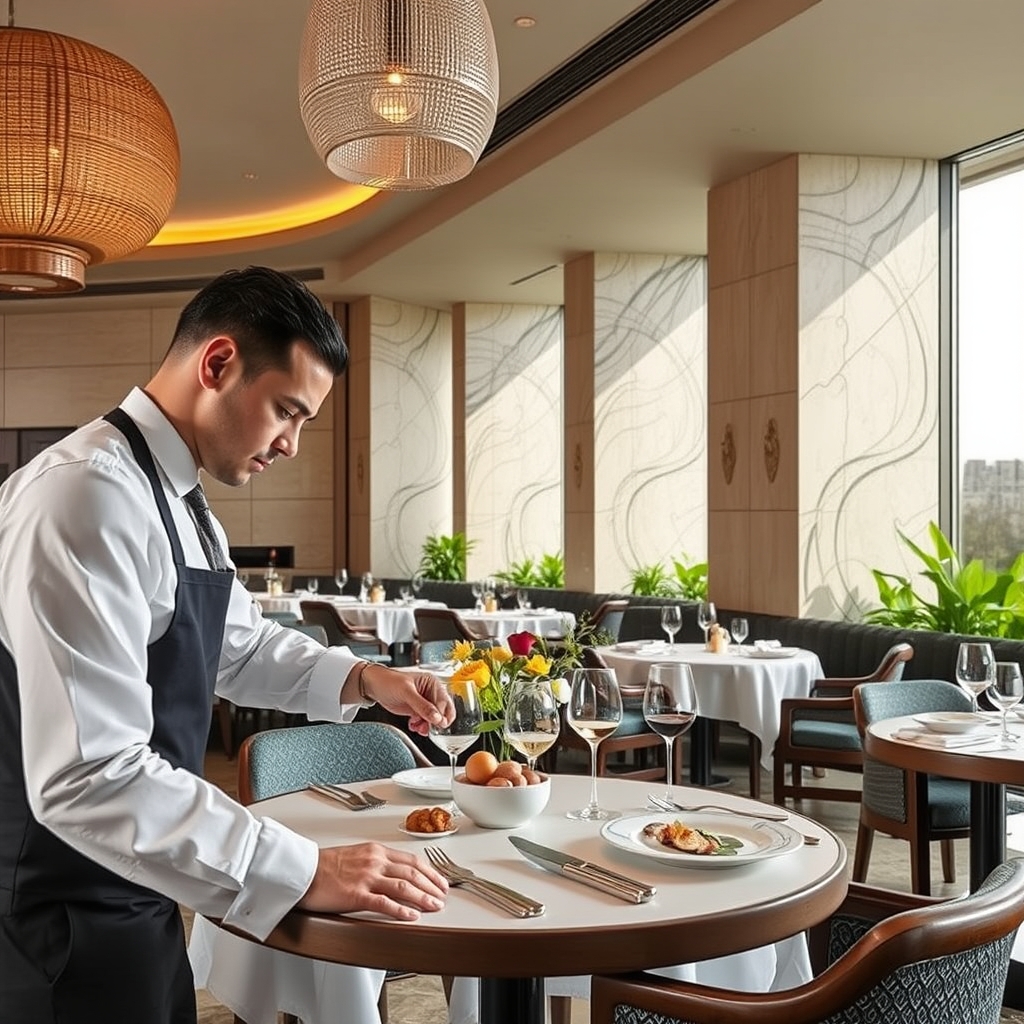
The modern traveler seeks more than just a place to rest—they crave an experience that tantalizes the senses, nourishes the soul, and tells a story. At the heart of this desire lies the evolution of luxury hotel dining, where the boundaries between hyper-local authenticity and global culinary innovation dissolve into a seamless symphony of flavors. No longer confined to traditional fine dining, today’s elite establishments are redefining gourmet cuisine by weaving the essence of their surroundings with the bold creativity of international techniques. The result? A dining experience that is as rooted in place as it is unbound by convention.
The Renaissance of Hyper-Local Sourcing
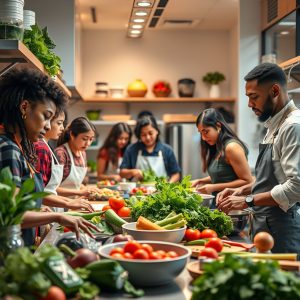
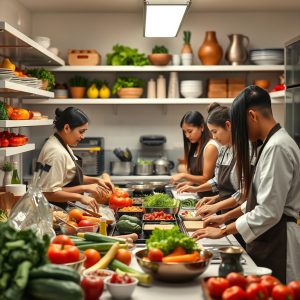
Gone are the days when luxury hotel menus relied solely on imported delicacies to impress. The most visionary chefs now scour their immediate landscapes—whether coastal tide pools, mountain forests, or urban rooftop gardens—to uncover ingredients that embody the terroir of their region. A five-star hotel in Kyoto might collaborate with local tea masters to infuse matcha into delicate pastries, while a boutique retreat in Tuscany could partner with nearby truffle hunters to craft a seasonal risotto that tastes like the earth itself. This hyper-local approach doesn’t just elevate the dining experience; it fosters a deeper connection between the guest and the destination, transforming each meal into a celebration of place.
What makes this trend particularly compelling is its sustainability. By sourcing ingredients within a 100-mile radius, hotels reduce their carbon footprint while supporting local farmers, fishermen, and artisans. The farm-to-table movement has evolved into something far more nuanced: a farm-to-fork philosophy that prioritizes not just proximity, but also the integrity of the ingredient itself. A single heirloom tomato, grown in the hotel’s own greenhouse and ripened under the sun, can become the star of a dish that tells a story of patience, care, and respect for nature’s rhythms.
The Fusion of Tradition and Innovation
While hyper-local sourcing grounds the dining experience in authenticity, it is the fusion of global techniques that elevates it to an art form. Luxury hotels are increasingly hiring chefs with diverse culinary backgrounds—from Japanese kaiseki masters to Peruvian Nikkei innovators—to reinterpret local ingredients through a global lens. Imagine a dish of Cornish crab, foraged seaweed, and wild garlic, reimagined with the delicate precision of a Japanese omakase. Or a dessert of Sicilian blood oranges, transformed into a vibrant sorbet with the addition of Thai basil and a drizzle of yuzu-infused honey.
This fusion isn’t about gimmicks; it’s about harmony. The best chefs understand that the key to successful culinary marriage lies in balance—pairing bold flavors with subtle ones, contrasting textures, and playing with temperature to create a dish that surprises and delights. A tasting menu at a Michelin-starred hotel might begin with a chilled gazpacho infused with local herbs, followed by a warm, slow-cooked lamb shoulder glazed with a reduction of regional honey and spices. Each course builds on the last, creating a narrative that is both familiar and unexpected.
The Rise of the Chef’s Counter Experience
For those who seek an even more immersive experience, the chef’s counter has become the ultimate front-row seat to culinary artistry. Boutique hotels, in particular, are embracing this trend, offering intimate dining spaces where guests can watch as their meal is crafted in real time. The chef’s counter isn’t just about transparency; it’s about theater. The sizzle of a perfectly seared scallop, the delicate plating of edible flowers, the final flourish of a sauce drizzled with precision—every moment is part of the performance.
This level of intimacy also allows for hyper-personalization. Chefs can adjust dishes on the fly based on a guest’s preferences or dietary needs, ensuring that each meal feels tailor-made. It’s a far cry from the rigid, one-size-fits-all approach of traditional fine dining, and it reflects a broader shift toward hospitality that feels both luxurious and deeply human.
The Wellness Revolution in Fine Dining
Luxury hotel dining is no longer just about indulgence—it’s about nourishment in the truest sense of the word. The rise of wellness-focused cuisine has introduced a new dimension to gourmet menus, where every ingredient is chosen not just for its flavor, but for its nutritional benefits. Superfoods like turmeric, matcha, and adaptogenic mushrooms are making their way onto plates, while plant-based dishes are no longer an afterthought but a centerpiece of the dining experience.
This shift is particularly evident in the growing popularity of