
Embracing the Flavors of the Middle East: A Journey to Healthier Eating with Traditional Dishes
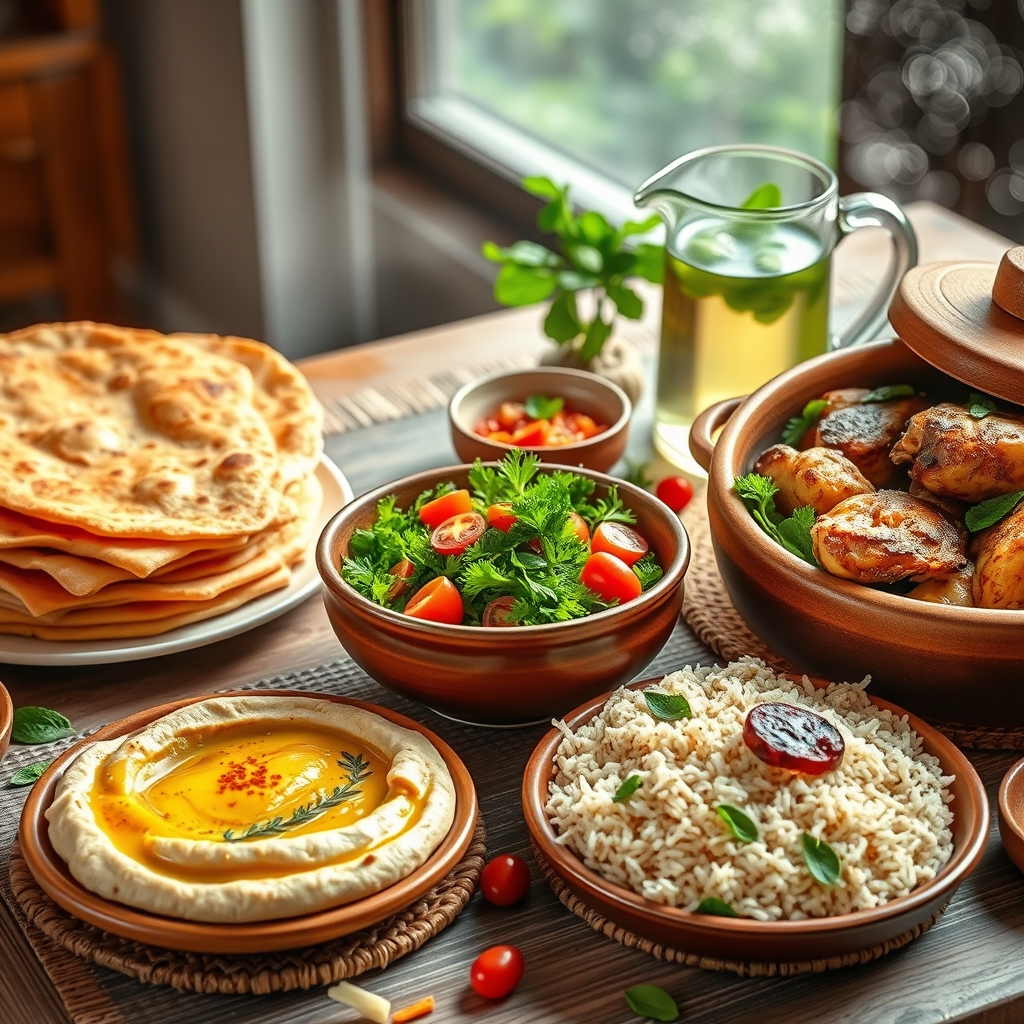
The Middle Eastern diet is a treasure trove of vibrant flavors, rich textures, and wholesome ingredients that not only delight the palate but also nourish the body. Rooted in centuries-old traditions, this cuisine emphasizes fresh vegetables, lean proteins, whole grains, and heart-healthy fats, making it a perfect fit for those seeking a balanced and nutritious lifestyle. Whether you’re exploring the zesty freshness of Salad Tabouli Segar or the comforting warmth of Sup Adas, the Middle Eastern diet offers a delicious pathway to wellness.
The Foundations of a Healthy Middle Eastern Diet
The Middle Eastern diet shares many principles with the renowned Pola Makan Mediterania Arab, which is celebrated for its ability to promote longevity and reduce the risk of chronic diseases. At its core, this diet is built on the following pillars:
- Abundance of Plant-Based Foods: Vegetables, legumes, and whole grains take center stage, providing fiber, vitamins, and minerals that support overall health.
- Healthy Fats: Minyak Zaitun Arab (Arab olive oil) is a staple, offering monounsaturated fats that are beneficial for heart health. Nuts and seeds, such as Kacang Chickpea Panggang (roasted chickpeas) and Camilan Kacang Pistachio (pistachio snacks), are also rich sources of healthy fats and protein.
- Lean Proteins: Dishes often feature lean proteins like grilled chicken (Kebab Ayam Bakar), lamb (Daging Domba Panggang), and legumes, which help maintain muscle mass and keep you feeling full.
- Herbs and Spices: The liberal use of herbs and spices not only enhances flavor but also provides antioxidants and anti-inflammatory benefits. Think of the refreshing taste of Teh Mint Maroko (Moroccan mint tea) or the aromatic depth of Nasi Kebuli Gandum (whole wheat kebuli rice).
Must-Try Healthy Middle Eastern Dishes
If you’re looking to incorporate the Middle Eastern diet into your meal plan, here are some dishes that are as nutritious as they are delicious:
Salad Tabouli Segar: A Burst of Freshness
Salad Tabouli Segar is a classic Levantine salad that combines finely chopped parsley, bulgur wheat, tomatoes, and onions, all tossed in a tangy lemon and olive oil dressing. This salad is not only refreshing but also packed with fiber, vitamins A and C, and antioxidants. It’s a perfect side dish or even a light meal on its own, especially when paired with Roti Pita Utuh (whole wheat pita bread).
Hummus Kacang Arab: Creamy and Nutritious
No discussion of Middle Eastern cuisine would be complete without mentioning Hummus Kacang Arab. Made from blended chickpeas, tahini, lemon juice, and garlic, hummus is a versatile dip that’s rich in protein, fiber, and healthy fats. Enjoy it with whole wheat pita or as a spread in wraps and sandwiches. For a lower-calorie option, try pairing it with fresh vegetable sticks like cucumbers, carrots, or bell peppers.
Nasi Mandhi Rendah Lemak: A Lighter Take on a Classic
Nasi Mandhi Rendah Lemak is a healthier version of the traditional Yemeni dish, Mandhi. This dish features fragrant basmati rice cooked with lean cuts of meat, such as chicken or lamb, and a blend of spices like cardamom, cloves, and cinnamon. By using less oil and opting for lean proteins, this dish becomes a guilt-free indulgence that doesn’t compromise on flavor.
Sup Harira Protein: A Hearty and Wholesome Soup
Sup Harira Protein is a Moroccan soup that’s often enjoyed during Ramadan but is perfect for any time of the year. This hearty soup is made with lentils, chickpeas, tomatoes, and a variety of spices, providing a substantial amount of protein and fiber. It’s a comforting dish that’s both filling and nutritious, making it an excellent choice for a light dinner or a post-workout meal.
Shakshuka Telur Tomat: A Flavorful Egg Dish
Shakshuka Telur Tomat is a North African dish that has gained popularity worldwide for its simplicity and bold flavors. It consists of eggs poached in a spiced tomato and pepper sauce, often garnished with fresh herbs like parsley or cilantro. This dish is high in protein and packed with vitamins from the vegetables, making it a great option for breakfast or brunch.
Snacks and Sides for a Balanced Diet
In addition to main dishes, Middle Eastern cuisine offers a variety of snacks and sides that are both satisfying and nutritious:
- Kacang Chickpea Panggang: Roasted chickpeas are a crunchy, protein-packed snack that can be seasoned with spices like cumin, paprika, or garlic powder. They’re a great alternative to processed snacks and can be enjoyed on the go.
- Labneh Rendah Kalori: This is a strained yogurt cheese that’s lower in calories and fat than traditional cheeses. It’s often drizzled with olive oil and sprinkled with za’atar or fresh herbs, making it a delicious spread for bread or a dip for vegetables.
- Salad Fattoush Organik: A Lebanese salad made with mixed greens, radishes, cucumbers, and crispy pita bread, all tossed in a tangy sumac and lemon dressing. It’s a refreshing and crunchy side dish that’s perfect for warm days.
- Kurma Sukari Alami: Natural Sukari dates are a sweet and satisfying snack that’s rich in fiber, potassium, and antioxidants. They’re a great way to curb sugar cravings while providing a natural energy boost.
Tips for Incorporating Middle Eastern Flavors into Your Diet
Adopting the Middle Eastern diet doesn’t mean you have to overhaul your entire meal plan. Here are some simple tips to incorporate these flavors and ingredients into your daily routine:
- Start with Breakfast: Swap your usual breakfast for Shakshuka Telur Tomat or a bowl of Labneh Rendah Kalori topped with fresh vegetables and a drizzle of olive oil. These options are quick to prepare and packed with nutrients.
- Use Whole Grains: Replace white rice with Beras Basmati Diet or opt for Roti Pita Utuh instead of white bread. Whole grains are higher in fiber and keep you feeling full longer.
- Snack Smart: Keep healthy snacks like Kacang Chickpea Panggang or Camilan Kacang Pistachio on hand to avoid reaching for processed options. These snacks are not only nutritious but also incredibly flavorful.
- Experiment with Spices: Middle Eastern cuisine is known for its bold and aromatic spices. Try adding cumin, coriander, turmeric, or sumac to your dishes to enhance flavor without adding extra calories.
- Make Salads a Staple: Incorporate salads like Salad Tabouli Segar or Salad Fattoush Organik into your meals. They’re easy to prepare and add a burst of freshness and nutrients to any dish.
The Middle Eastern diet is more than just a way of eating; it’s a celebration of culture, tradition, and the joy of sharing meals with loved ones. By embracing the flavors and ingredients of this cuisine, you’re not only treating your taste buds to a world of delicious possibilities but also nourishing your body with wholesome, nutrient-rich foods. Whether you’re enjoying a hearty bowl of Sup Harira Protein, savoring the creamy texture of Hummus Kacang Arab, or indulging in the natural sweetness of Kurma Sukari Alami, each bite is a step toward a healthier, more vibrant life. The beauty of this diet lies in its simplicity and versatility, making it easy to adapt to your lifestyle while still enjoying the rich and diverse flavors that the Middle East has to offer.