Beyond the Plate: The Rituals and Reverence of an Omakase Dinner in High-End Gastronomy
The first whisper of an omakase dinner arrives not with a menu, but with an unspoken trust. It is an invitation to surrender control, to let a master chef curate a culinary narrative that unfolds with each meticulously crafted bite. Rooted in the Japanese tradition of “omakase”—literally meaning “I leave it to you”—this dining experience transcends mere sustenance, evolving into a symphony of flavors, textures, and emotions that celebrate the zenith of gastronomic artistry.
The Philosophy Behind Omakase
At its core, omakase is a dialogue between chef and diner, a dance of intuition and expertise. Unlike conventional dining, where choices are dictated by a printed list, omakase thrives on spontaneity and the chef’s deep understanding of seasonal ingredients, regional specialties, and the diner’s unspoken desires. This philosophy is not merely about eating; it is about experiencing the soul of a cuisine, where every dish is a brushstroke in a larger masterpiece.
In high-end restaurants, omakase often begins with a quiet consultation—perhaps a question about allergies, preferences, or even the diner’s mood. This exchange sets the stage for a meal that feels deeply personal, as if the chef has peered into the diner’s culinary soul. The absence of a menu is not a limitation but a liberation, allowing the chef to showcase their creativity without constraints.
The Journey of an Omakase Meal
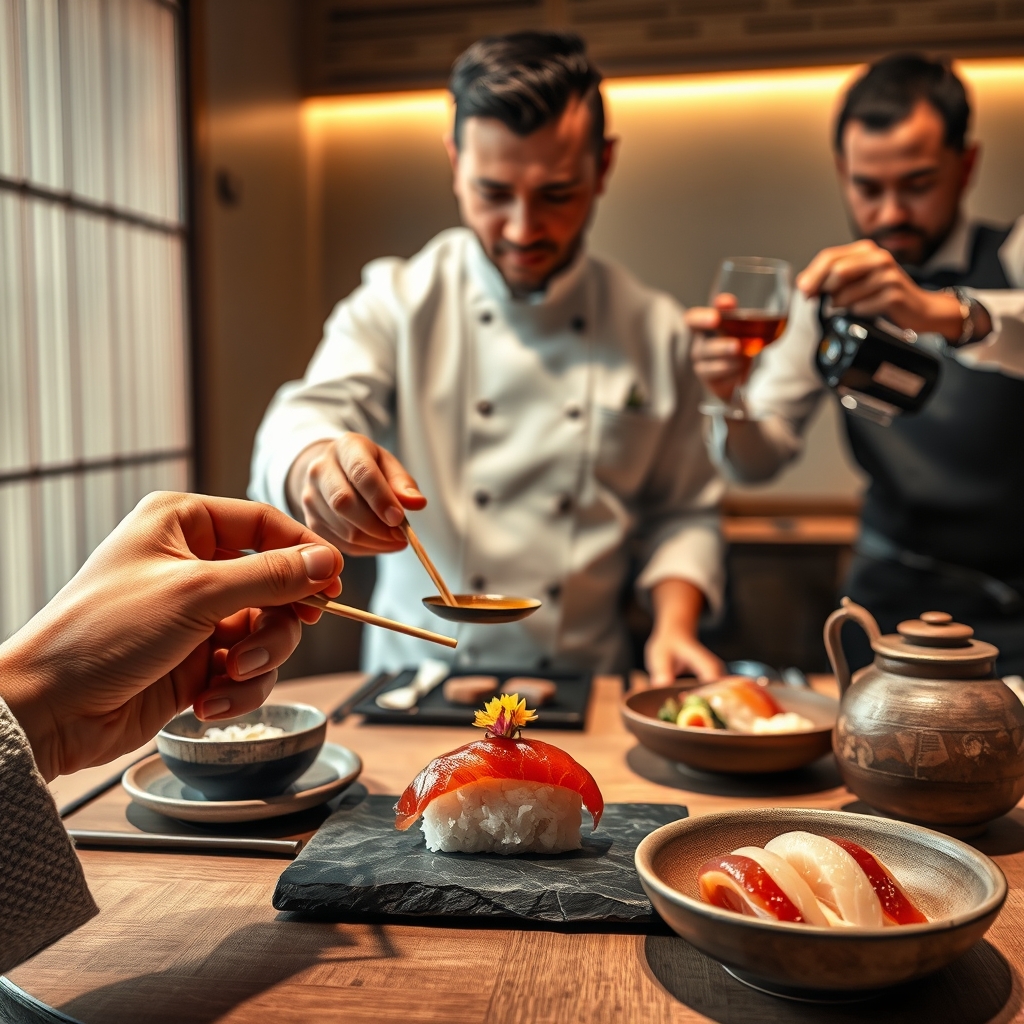
The progression of an omakase dinner is a carefully orchestrated journey, where each course builds upon the last, creating a crescendo of flavors. It typically commences with delicate appetizers—perhaps a sliver of otoro (fatty tuna) adorned with a single edible flower, or a spoonful of chawanmushi, its silken custard infused with the umami of dashi. These initial bites are designed to awaken the palate, a gentle prelude to the feast that follows.
The Art of Sushi and Sashimi
No omakase experience is complete without sushi and sashimi, the crown jewels of Japanese cuisine. Here, the chef’s skill is on full display, from the precise cut of the fish to the temperature of the rice. A single piece of nigiri might feature bluefin tuna so fresh it melts on the tongue, its richness balanced by a whisper of wasabi and a dab of soy sauce. The rice, seasoned with just the right amount of vinegar and sugar, serves as the perfect canvas for the fish’s natural flavors.
For those venturing into the realm of luxury omakase, rare delicacies like uni (sea urchin) or ankimo (monkfish liver) may make an appearance, their briny, buttery notes leaving an indelible impression. The chef’s selection often reflects the season—sweet, plump amaebi (sweet shrimp) in spring, or fatty salmon roe in autumn—ensuring that each bite is a celebration of nature’s fleeting bounty.
Beyond Raw: Cooked Masterpieces
While sushi and sashimi take center stage, an omakase dinner is far from one-dimensional. Cooked dishes play a pivotal role, showcasing the chef’s versatility and depth of knowledge. A perfectly seared piece of Wagyu beef, its marbled fat rendering into a luxurious sauce, might be served alongside a delicate broth infused with truffle or yuzu. Alternatively, a small clay pot of rice might arrive at the table, its crispy bottom layer (okoge) releasing an intoxicating aroma that hints at the care taken in its preparation.
These cooked courses are not mere fillers; they are integral to the omakase experience, offering contrast and complexity. A dish of grilled ayu (sweetfish) might follow a series of raw preparations, its smoky char providing a counterpoint to the clean, bright flavors of the sashimi. Each transition is seamless, guided by the chef’s intuitive understanding of balance and harmony.
The Role of Presentation and Service
In omakase dining, presentation is as vital as taste. Dishes are often served on handcrafted ceramics, their glazes and shapes chosen to complement the food they hold. A piece of sashimi might rest on a slate plate, its dark surface accentuating the vibrant hues of the fish, while a bowl of miso soup could be presented in a rustic, earthenware vessel, evoking the warmth of a traditional Japanese home.
Service, too, is an art form. In high-end omakase restaurants, the interaction between chef and diner is intimate, almost theatrical. The chef may explain the provenance of each ingredient—perhaps the fish was caught that morning off the coast of Kyushu, or the wasabi was freshly grated from a root grown in Shizuoka. This storytelling elevates the meal from a simple act of eating to a multisensory experience, where every detail is imbued with meaning.
The Ritual of Wine and Sake Pairing
While sake is the traditional accompaniment to omakase, many modern chefs embrace the art of wine pairing, selecting bottles that enhance the flavors of each course. A crisp, mineral-driven Chablis might complement the delicate sweetness of scallop sashimi, while a bold, tannic Barolo could stand up to the richness of Wagyu beef. The sommelier’s role is not to dictate but to guide, offering pairings that surprise and delight without overpowering the chef’s creations.
For those who prefer sake, the options are equally nuanced. A junmai daiginjo, with its floral and fruity notes, might be served chilled alongside lighter dishes, while a robust, aged sake could be paired with heartier fare. The interplay between drink and dish is a testament to the chef’s and sommelier’s shared vision, a harmonious marriage of tradition and innovation.
The Emotional Resonance of Omakase
What sets omakase apart from other fine dining experiences is its emotional resonance. It is not just about the food, but the connection forged between chef and diner. The act of placing trust in another’s hands is inherently vulnerable, yet it is this vulnerability that makes the experience so profound. In a world where choice is often equated with freedom, omakase offers a different kind of liberation—the freedom to be surprised, to be delighted, to be moved.
The final course of an omakase dinner often arrives with a sense of quiet satisfaction. Perhaps it is a simple bowl of matcha ice cream, its bitterness a counterpoint to the richness of the meal, or a single piece of fruit, its sweetness lingering like a fond memory. As the last bite is savored, there is a sense of gratitude—not just for the food, but for the journey. Omakase is more than a meal; it is a meditation on trust, craftsmanship, and the fleeting beauty of the present moment. In a society that moves at breakneck speed, it is a reminder to slow down, to savor, and to appreciate the artistry that transforms a meal into an unforgettable experience.