The Evolution of Luxury Hotel Dining: Where Gourmet Meets Unforgettable Experiences
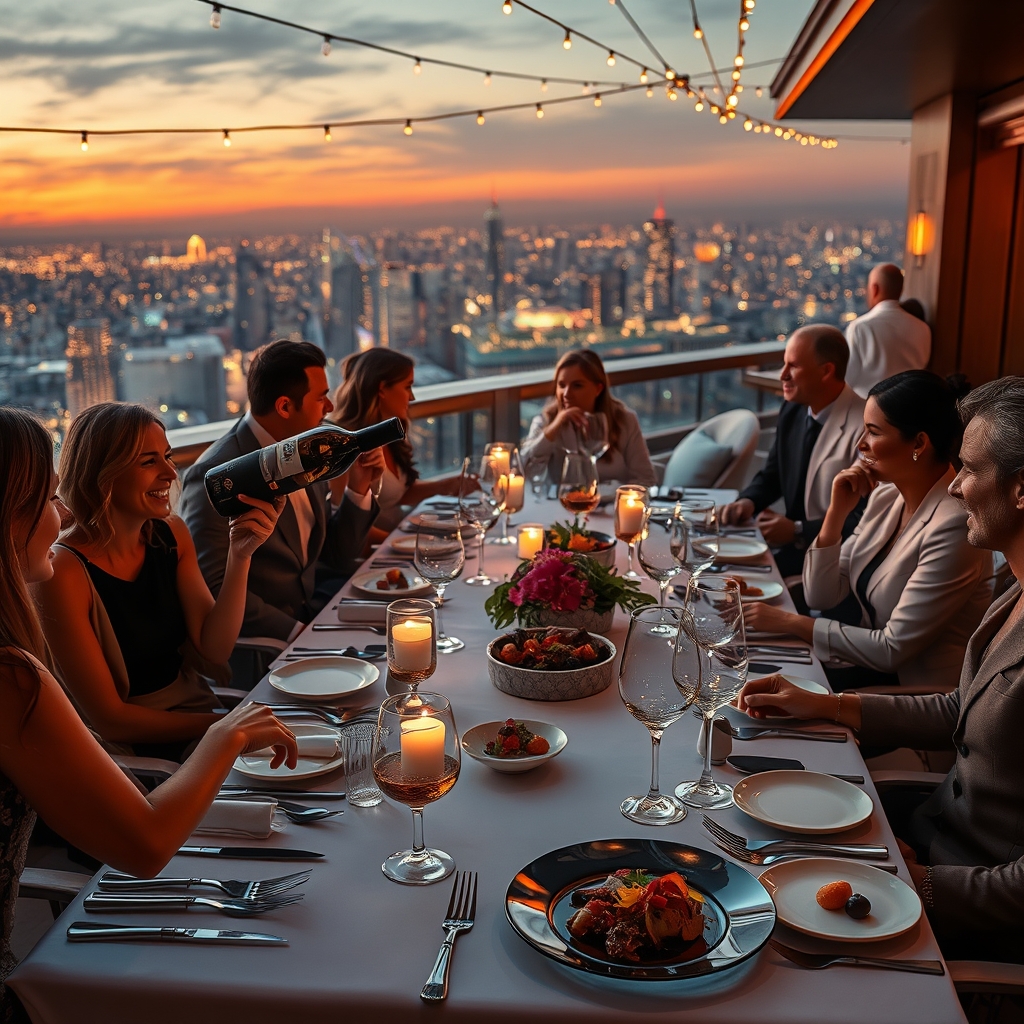
The world of luxury hotel dining has undergone a remarkable transformation in recent years, shifting from traditional fine dining to immersive culinary journeys that engage all the senses. No longer confined to stiff white tablecloths and predictable menus, today’s high-end hotel restaurants are redefining hospitality by blending innovation, sustainability, and storytelling into every dish. Whether it’s a rooftop lounge overlooking a glittering skyline or an intimate chef’s table in a boutique hotel, the experience is as much about the ambiance and philosophy as it is about the food.
The Rise of the Chef Tasting Menu: A Symphony of Flavors
One of the most exciting trends in luxury hotel dining is the rise of the chef tasting menu—a curated progression of dishes that showcases the culinary team’s creativity and technical prowess. Unlike à la carte dining, where guests select individual dishes, a tasting menu is a carefully choreographed experience, often inspired by seasonal ingredients, cultural influences, or even a specific theme. At properties like The Dorchester in London or Le Bernardin in New York, these menus are not just meals but performances, where each course builds upon the last to create a harmonious narrative.
What sets these experiences apart is the level of personalization. Many luxury hotels now offer bespoke tasting menus tailored to dietary preferences, allergies, or even a guest’s mood. Imagine a sommelier pairing each course with a rare wine, or a chef emerging from the kitchen to explain the inspiration behind a dish—these are the moments that elevate dining from mere sustenance to an art form. For travelers seeking more than just a meal, the chef tasting menu has become a must-try, blending gastronomy with theater in the most delicious way.
Farm-to-Table and Hyper-Local: The New Standard in Sustainability
Sustainability is no longer a buzzword in luxury hotel dining—it’s a non-negotiable standard. The farm-to-table movement has evolved into something even more refined: hyper-local sourcing, where hotels cultivate their own ingredients or partner with nearby artisans to create dishes that reflect the terroir of the region. At Blackberry Mountain in Tennessee, for example, the restaurant’s menu is built around produce grown in the property’s organic gardens, while Six Senses resorts worldwide prioritize ingredients sourced within a 50-mile radius.
This commitment to hyper-local sourcing does more than reduce carbon footprints—it enhances flavor. A tomato plucked from the vine at peak ripeness, honey harvested from on-site beehives, or cheese crafted by a neighboring dairy all contribute to dishes that taste distinctly of their origin. Guests are no longer just eating a meal; they’re experiencing the essence of a place. For culinary tourists, this means that dining at a luxury hotel becomes an extension of their travel experience, offering a deeper connection to the destination.
The Art of Plant-Based Fine Dining
As plant-based diets gain mainstream acceptance, luxury hotels are proving that vegan and vegetarian cuisine can be just as indulgent as their meat-centric counterparts. Gone are the days when plant-based dishes were an afterthought—today, they’re the stars of the menu. At Eleven Madison Park in New York, Chef Daniel Humm made headlines when he transitioned the entire menu to plant-based, proving that fine dining can be both sustainable and spectacular. Similarly, The Peninsula hotels have introduced lavish vegan afternoon teas, complete with delicate pastries and artisanal chocolates, all while maintaining the opulence expected of a five-star experience.
The secret lies in technique. Chefs are using advanced culinary methods like fermentation, sous-vide, and molecular gastronomy to coax complex flavors and textures from vegetables, grains, and legumes. A dish of roasted heirloom carrots might be elevated with a cashew-based