The Sacred Dance of Wine and Dish: Mastering the Art of Pairing in Fine Dining
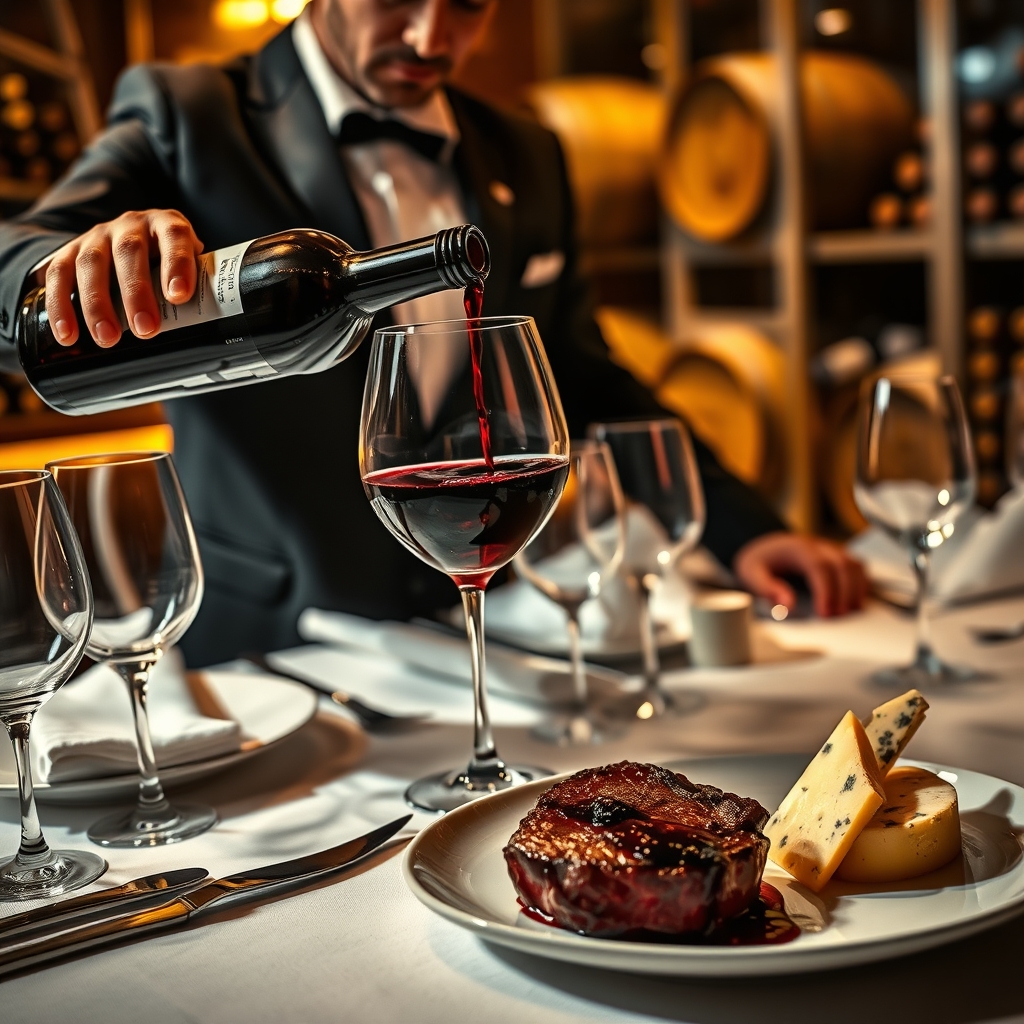
The world of fine dining is a tapestry woven with threads of precision, passion, and creativity. Among its most intricate and revered arts is the delicate balance of wine pairing—a practice that elevates a meal from merely exquisite to transcendent. In the hallowed halls of Michelin-starred restaurants and luxury dining establishments, the marriage of wine and dish is not left to chance. It is a carefully choreographed dance, where each sip and bite harmonizes to create an unforgettable gastronomy experience.
The Philosophy Behind the Pairing
At its core, wine pairing is about synergy. It is the art of enhancing the flavors of a dish while allowing the wine to shine in its own right. The best sommeliers and chefs approach this task with a deep understanding of both culinary arts and oenology, treating each pairing as a dialogue between the plate and the glass. The goal is not to overpower but to complement, to contrast, or to mirror the nuances of the food with the complexities of the wine.
In upscale restaurants, this philosophy is taken to its zenith. A chef’s tasting menu, for instance, is often designed with wine pairings in mind from the very beginning. Each course is crafted to not only stand alone as a masterpiece but also to interact seamlessly with a carefully selected wine. The result is a journey where every bite and sip feels like a revelation, a moment of perfect equilibrium.
The Science of Flavor Profiles
Wine pairing is as much a science as it is an art. The key lies in understanding the fundamental flavor profiles of both the dish and the wine. Acidity, sweetness, bitterness, umami, and fat are the building blocks of taste, and their interplay can make or break a pairing. For example, a dish rich in fat, such as Wagyu beef, demands a wine with high acidity or tannins to cut through the richness and cleanse the palate. A buttery Chardonnay or a bold Cabernet Sauvignon would be a natural fit, their structure balancing the decadence of the meat.
Similarly, the sweetness of a dessert can be elevated by a wine that is equally sweet or slightly sweeter. A Sauternes with foie gras or a late-harvest Riesling with a fruit tart are classic examples of how sweetness can create harmony. Conversely, pairing a sweet dish with a dry wine can result in the wine tasting flat or overly acidic, disrupting the delicate balance.
The Role of Texture and Weight
Beyond flavor, texture and weight play a crucial role in wine pairing. A light-bodied wine, such as a Pinot Noir, would be overwhelmed by a hearty, slow-cooked lamb shank, just as a full-bodied Barolo would overpower a delicate poached fish. The weight of the wine should mirror the weight of the dish, creating a sense of cohesion on the palate. This principle is particularly important in multi-course tasting menus, where the progression of dishes and wines must feel natural and intentional.
In molecular gastronomy, where textures can be manipulated to create unexpected sensations, wine pairing becomes even more nuanced. A dish like a foamy consommé or a gelée of seasonal fruits requires a wine that can complement its ethereal quality without competing with it. Sparkling wines, with their effervescence and brightness, often excel in these pairings, their bubbles lifting the delicate textures of the dish.
The Art of the Sommelier
In the world of fine dining, the sommelier is the maestro of this symphony. Their role extends far beyond simply recommending a bottle from the wine list. A great sommelier is a storyteller, a historian, and a sensory guide, leading diners through an exploration of terroir, vintage, and craftsmanship. They work in tandem with the chef to ensure that each wine pairing enhances the dining experience, often tailoring selections to the preferences and curiosities of the guest.
For an omakase dinner, where the chef dictates the progression of dishes, the sommelier’s expertise is indispensable. The wine pairings must adapt to the spontaneity of the meal, with each selection chosen to complement the flavors and techniques of the moment. This level of collaboration requires not only deep knowledge but also intuition, a sixth sense for how flavors will interact.
Regional Pairings: A Celebration of Terroir
One of the most enchanting aspects of wine pairing is the celebration of regional authenticity. Many luxury restaurants embrace the concept of terroir, pairing local wines with dishes that highlight the flavors of the same region. A classic example is the pairing of a Burgundy Pinot Noir with coq au vin, where the earthy, fruity notes of the wine echo the rustic, savory flavors of the dish. Similarly, a Spanish Rioja with a plate of jamón ibérico and Manchego cheese is a testament to the harmony of regional flavors.
This approach not only enhances the dining experience but also tells a story. It connects the diner to the land, the climate, and the traditions that shape both the food and the wine. In an era where farm-to-table dining is celebrated, regional pairings offer a deeper appreciation for the origins of what we consume.
The Future of Wine Pairing
As the culinary arts continue to evolve, so too does the art of wine pairing. Chefs and sommeliers are increasingly experimenting with unconventional pairings, challenging traditional norms to create bold, innovative experiences. Natural wines, orange wines, and biodynamic selections are finding their way onto tasting menus, offering new dimensions of flavor and complexity. Meanwhile, the rise of non-alcoholic pairings, such as artisanal teas, fermented beverages, and craft sodas, is expanding the possibilities for those who prefer not to drink alcohol.
In the realm of molecular gastronomy, wine pairings are becoming more adventurous. A dish might be designed to mimic the flavors of a specific wine, or a wine might be infused with aromas that echo the ingredients on the plate. These avant-garde approaches push the boundaries of what is possible, transforming wine pairing into an interactive, almost theatrical experience.
The magic of wine pairing lies in its ability to transform a meal into a memory. It is a testament to the skill and creativity of the chefs and sommeliers who dedicate their lives to perfecting this craft. Whether in a three-Michelin-starred restaurant or an intimate omakase bar, the right pairing can turn a simple meal into a symphony of flavors, a moment of pure, unadulterated joy. It reminds us that fine dining is not just about sustenance but about connection—between the land, the chef, the sommelier, and the diner. In this sacred dance of wine and dish, every sip and bite is an invitation to savor the beauty of the present moment.