Bespoke Meal Planning and Collaborative Recipe Development: Crafting the Future of Personalized Cooking
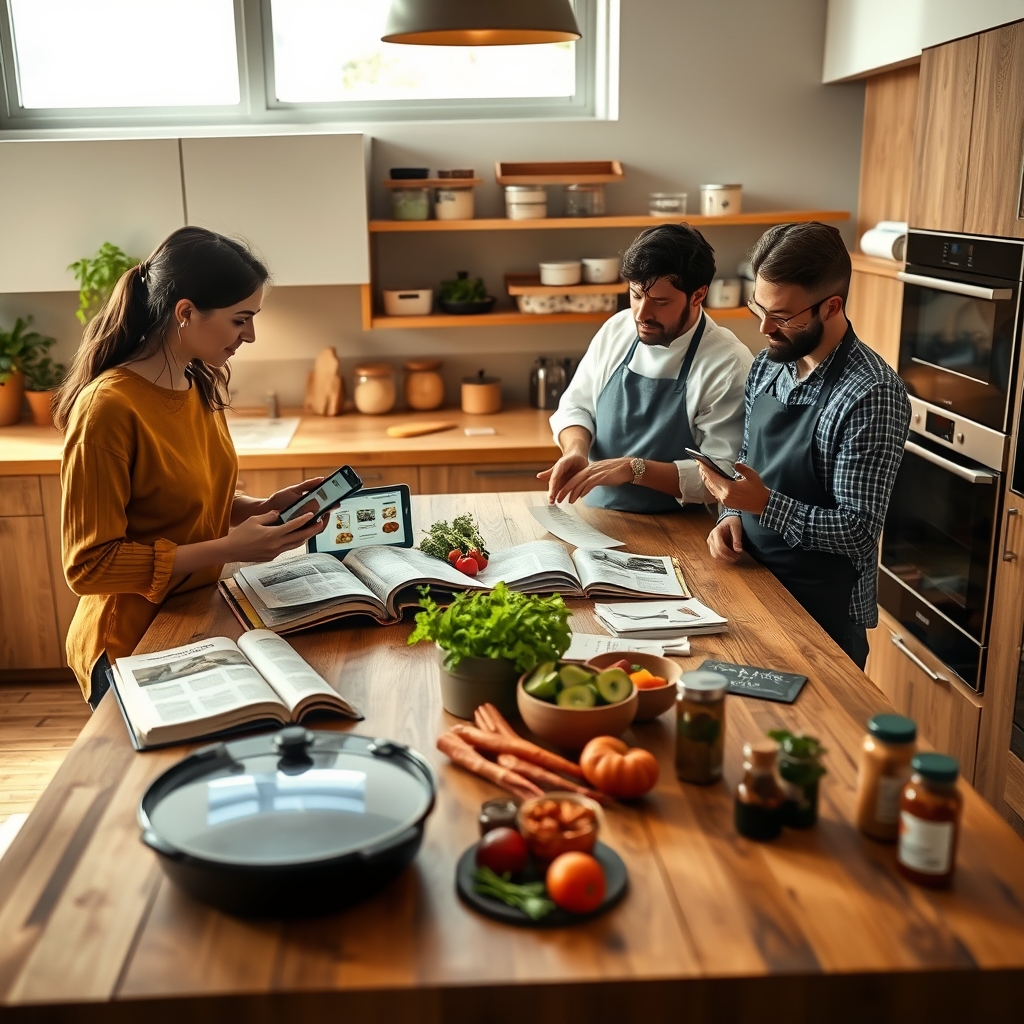
The modern kitchen is no longer just a place to prepare meals; it has evolved into a dynamic space where technology, creativity, and personalization intersect to redefine the culinary experience. At the heart of this transformation lies the concept of bespoke meal planning and collaborative recipe development, two approaches that are empowering home cooks to tailor their culinary journeys to their unique tastes, dietary needs, and lifestyles. These methods are not just about following recipes but about crafting them, refining them, and making them truly one’s own.
The Rise of Bespoke Meal Planning
Bespoke meal planning is the art of designing meals that are uniquely suited to an individual’s preferences, nutritional goals, and even emotional well-being. Unlike generic meal plans that offer one-size-fits-all solutions, bespoke planning takes into account a variety of factors, such as flavor preferences, cultural influences, time constraints, and health objectives. This approach leverages tools like data-driven nutrition tracking and adaptive cooking workflows to create a seamless and intuitive experience for the home cook.
For instance, imagine a meal planning app that not only suggests recipes based on your past choices but also adapts to your evolving tastes. It might notice that you’ve been experimenting with spicy flavors and begin incorporating more chili-infused dishes into your weekly plan. Or, if you’re training for a marathon, it could prioritize high-protein, nutrient-dense meals to support your fitness goals. This level of personalization ensures that every meal feels intentional and aligned with your lifestyle.
How Technology Enhances Bespoke Planning
Technology plays a pivotal role in making bespoke meal planning accessible and efficient. Apps and platforms now use algorithms to analyze your dietary habits, flavor preferences, and even your grocery purchases to generate tailored meal suggestions. Some advanced systems integrate with smart kitchen appliances, allowing for real-time cooking analytics that adjust cooking times and temperatures based on the ingredients you’re using. This tech-assisted precision cooking ensures that every dish is prepared to perfection, reducing waste and enhancing the overall cooking experience.
Moreover, these tools often include features for sustainable ingredient sourcing, helping users make environmentally conscious choices without sacrificing flavor or variety. By connecting with local farms or ethical suppliers, bespoke meal planners can recommend ingredients that are not only fresh but also align with your values around sustainability and food ethics.
The Power of Collaborative Recipe Development
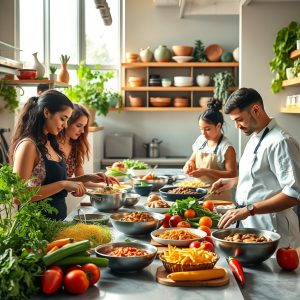
While bespoke meal planning focuses on personalization, collaborative recipe development brings a social and creative dimension to cooking. This approach involves sharing, refining, and co-creating recipes with others, whether through online communities, interactive kitchen workshops, or even within your own household. Collaborative recipe development transforms cooking from a solitary activity into a shared experience, fostering creativity and connection.
One of the most exciting aspects of this trend is the rise of platforms where home cooks and professional chefs alike can contribute to a collective pool of recipes. These platforms often include features for rating, reviewing, and adapting recipes, allowing users to build on each other’s ideas. For example, a user might start with a classic pasta recipe but tweak it by adding locally sourced mushrooms and a unique spice blend, then share their version with the community. Others can then try the adapted recipe, offer feedback, or make their own modifications, creating a cycle of continuous improvement and innovation.
Building Skills Through Collaboration
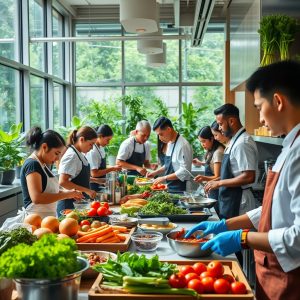
Collaborative recipe development is also a powerful tool for professional culinary skill building. By engaging with others, home cooks can learn new techniques, discover unfamiliar ingredients, and gain confidence in their abilities. Interactive kitchen workshops, whether in-person or virtual, provide a hands-on environment where participants can experiment with sensory cooking techniques, mindful food preparation, and creative ingredient pairing under the guidance of experts. These experiences not only enhance culinary skills but also deepen one’s appreciation for the art and science of cooking.
For those who prefer a more independent approach, online communities offer a wealth of resources for learning and collaboration. From video tutorials to step-by-step guides, these platforms make it easy to explore new cuisines, master complex techniques, and even participate in challenges that push the boundaries of traditional cooking. The sense of camaraderie and shared passion in these communities can be incredibly motivating, turning cooking into a lifelong journey of discovery.
Integrating Bespoke Planning and Collaboration
The true magic happens when bespoke meal planning and collaborative recipe development come together. Imagine a scenario where your personalized meal plan is not just a static list of recipes but a dynamic, evolving collection that grows and changes with your input and the input of others. You might start with a basic recipe from a collaborative platform, then adapt it to fit your dietary needs and flavor preferences. As you refine the recipe, you share your version with the community, inspiring others to experiment and make it their own. Over time, this back-and-forth process results in a meal plan that is uniquely yours, yet enriched by the creativity and insights of a global community.
This integrated approach also extends to the physical space of the kitchen. Efficient kitchen design plays a crucial role in supporting both bespoke planning and collaboration. A well-organized kitchen with intuitive layouts, smart storage solutions, and versatile tools can make it easier to experiment with new recipes, source sustainable ingredients, and engage in mindful food preparation. Whether you’re cooking alone or with others, a thoughtfully designed kitchen enhances the experience, making it more enjoyable and efficient.
As we look to the future of cooking, it’s clear that personalization and collaboration will continue to shape the way we approach food. Bespoke meal planning and collaborative recipe development are not just trends; they represent a fundamental shift in how we think about cooking. No longer confined to rigid recipes or one-size-fits-all meal plans, home cooks are embracing a more fluid, creative, and connected approach to food. By leveraging technology, community, and a deep appreciation for the culinary arts, we can create meals that are not only delicious but also meaningful, reflecting our individuality and shared human experience. The kitchen of tomorrow is a place where tradition and innovation coexist, where every meal is an opportunity to learn, grow, and connect.